
Pruning
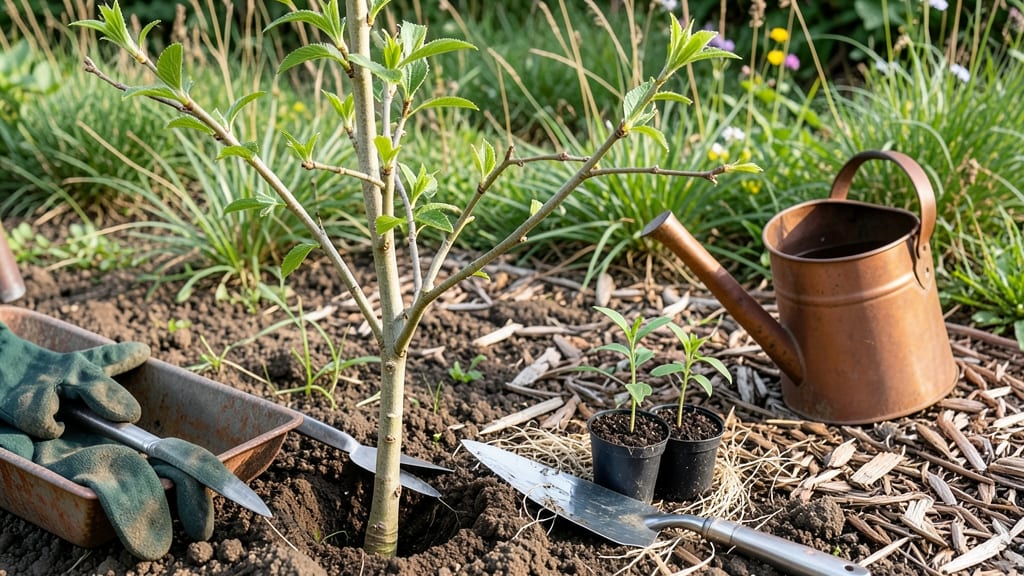
Starting willow trees from cuttings means taking 12-18 inch semi-hardwood stems in late winter or early spring, treating them with rooting hormone, and planting in moist sand or perlite for 4-6 weeks until roots develop. Maintain damp soil and indirect light throughout the process.
Willow trees are one of the easiest trees to propagate from cuttings, thanks to their fast-growing nature and adaptability. 🌿 The key to that 80% success rate lies in choosing the right time—late winter or early spring—when the tree is just waking up but before new growth begins.
This timing ensures your cuttings have the best chance to develop roots before summer heat stress sets in. I've found that weeping willows and pussy willows respond particularly well to this method, often rooting in just 3-4 weeks under ideal conditions.
Once you've selected your cuttings, the next critical step is preparation. Remove the lower leaves to prevent rot, make clean cuts at a slight angle, and immediately dip the base in rooting hormone. This simple step can double your success rate by encouraging faster root development.
For best results, maintain 70-80% humidity around your cuttings—you can achieve this with a clear plastic bag or propagation dome. When roots reach about 1-2 inches, gently transplant them into soil, being careful not to disturb the delicate new roots.
💡 In This Article
- Best Willow Tree Cuttings for High-Success Propagation
- Step-by-Step Willow Tree Cutting Care Guide
Best willow tree cuttings for high-success propagation
Willow trees thrive from cuttings because their stems contain high levels of auxin—a natural plant hormone that stimulates root growth. The weeping willow (Salix babylonica) and pussy willow (Salix discolor) are particularly responsive due to their fast-growing nature and flexible stems.
These varieties produce semi-hardwood cuttings (partially mature but still pliable) that root most reliably, unlike fully mature wood which is too tough. 🌱 The ideal stem thickness is about ¼ to ½ inch in diameter, providing enough vascular tissue to support new root development while remaining manageable to handle.
Timing is everything when harvesting cuttings. Late winter to early spring (just before buds swell) is prime because the tree's energy is focused on new growth rather than defending against pests or drought. At this stage, stems contain stored nutrients that fuel root formation.
Avoid taking cuttings in summer—they'll wilt quickly and struggle to root due to high evaporation rates. For best results, select stems that are greenish-brown and slightly flexible, not brittle or woody. A healthy stem should snap cleanly when bent, not tear or crumble.
What makes willow cuttings so successful is their ability to root even in water—a trait shared with few other trees. This happens because willow stems have lenticels (porous tissues) that allow oxygen exchange while submerged.
However, for maximum rooting speed (often 3-4 weeks), using a sand/perlite mix (50/50 ratio) provides better aeration than water alone.
The porous medium prevents rot while maintaining moisture at the stem base, creating the perfect environment for root initiation. 🌿 This method mimics natural conditions where willow stems often grow directly into moist soil along riverbanks.
One common mistake is using cuttings that are too long or too short. The 12-18 inch range is ideal because it balances stability with rooting potential—the top leaves provide energy through photosynthesis while the lower portion develops roots.
When selecting stems, look for ones with 3-5 leaf nodes (the bumps where leaves attach). These nodes are where adventitious roots (roots that form from non-root tissues) will emerge most vigorously. Remove all but the top 2-3 leaves to reduce moisture loss while keeping enough foliage for photosynthesis.
Here's what separates high-success cuttings from failures: healthy stems have a smooth, moist surface without cracks or discoloration. Avoid stems with signs of disease (black spots, mold) or pest damage (holes, chew marks). Even small imperfections can become entry points for pathogens during the rooting process.
When making your cut just below a node, use a sharp knife or pruners to create a clean 45-degree angle—this increases surface area for root development. Immediately dipping the cut end in rooting hormone (containing 0.3% indole-3-butyric acid or IBA) can boost rooting success by up to 30%.
The science behind willow's easy propagation lies in its polyploid genetics—many willow species have multiple sets of chromosomes, which makes them more adaptable to stress and faster-growing. This genetic flexibility extends to their rooting ability, allowing them to thrive even in challenging conditions.
For example, pussy willow cuttings often develop roots twice as fast as those from slower-growing trees like oak or maple. This biological advantage is why willows are frequently used in erosion control projects—they establish quickly and spread aggressively.
Remember this pro tip: If you're working with multiple cuttings, label them immediately with variety names and harvest dates.
Willow cuttings store surprisingly well—you can keep them in a cool, damp environment (40-50°F) for up to 2 weeks before planting, though they'll root best when used within 48 hours of cutting. This flexibility gives you time to prepare your propagation setup while maintaining peak rooting potential. 🌿