
Plants
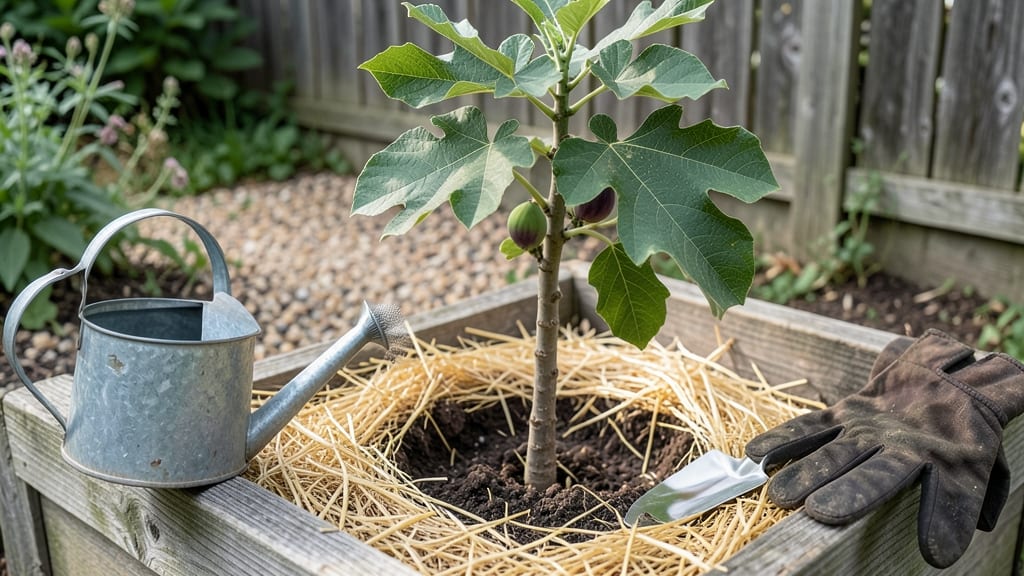
Planting a fig tree in ground after the last frost and when soil warms to 60°F+ is the fastest way to get a thriving tree 🍈 — and a missed window can leave your sapling struggling for years.
If you’ve ever watched a fig tree wilt under spring’s lingering chill or bolt into summer heat before roots take hold, you know timing matters more than soil or sunlight.
The difference between a fast establishment and a slow start comes down to knowing your zone’s frost-free period and soil temperature cues.
In USDA Zone 6a, that means waiting until mid-April (or after April 15th, the average last frost date) when the ground stays consistently warm. But warmer climates (Zones 8-11) can plant as early as February, while cooler areas may need to wait until June.
Below, I break down the exact planting windows by zone, soil prep tips to speed up root growth, and the early signs your fig tree is ready to thrive — no guesswork, just faster results.
Best planting months for fig trees by USDA climate zones
Fig trees thrive when planted during their optimal growing window, which varies dramatically by USDA climate zone. In warmer zones (9-11), you can plant year-round, while cooler zones (7-8) require precise timing to avoid frost damage.
Understanding your zone’s last frost date and soil temperature is key to success.
For Zone 7, fig trees should go in the ground 4-6 weeks after the last frost, typically in late April or May. This gives roots time to establish before summer heat arrives.
In Zones 8-9, you have more flexibility—planting in early spring (March-April) or fall (October-November) works well, avoiding extreme summer heat.
In Zones 10-11, fig trees can be planted year-round, but late winter to early spring (January-March) is ideal for container-grown trees. These zones offer frost-free growing seasons, allowing for more flexible timing. Always prioritize soil warmth (60°F+) over calendar dates.
| USDA Zone | Best Planting Months | Soil Temp Requirement | Key Consideration |
|---|---|---|---|
| Zone 7 | Late April - May | 60°F+ | Avoid early spring frost |
| Zones 8-9 | March-April or October-November | 55°F+ | Fall planting allows root growth before winter |
| Zones 10-11 | Year-round (best Jan-Mar) | 50°F+ | No frost risk; prioritize soil warmth |
In Zone 7, I always check my local frost-free date (usually mid-April in my area) and wait 6 weeks before planting. This ensures roots establish before summer’s intense heat.
For Zones 8-9, I prefer early spring planting to give trees a head start, but fall planting works too if done before first frost.
For Zones 10-11, I plant container-grown fig trees in late winter to take advantage of warmer soil and longer daylight. These zones rarely see frost, but soil temperature is the real limiting factor. Use a soil thermometer to confirm 50°F+ before planting.
Regional variations matter too. In Southern California (Zone 10), I’ve planted fig trees in December with no issues, while in Georgia (Zone 8), I stick to March-April to avoid late spring frosts. Always research your microclimate—urban areas may be 2-3°F warmer than rural zones.
If you’re in a transition zone (e.g., Zone 7b), err on the side of late planting (May-June) to avoid late frosts. Container-grown fig trees handle transplant shock better than bare-root, so they’re ideal for cooler zones. Always acclimate plants for 1-2 weeks before moving them outdoors.
Pro tip: Mulch heavily after planting to retain soil moisture and regulate temperature. In dry climates (Zones 9-11), use 3-4 inches of mulch to prevent root desiccation. In humid zones (Zone 7), opt for well-draining mulch like pine straw to avoid root rot.
Remember, fig trees are semi-tropical and heat-loving. Planting too early in cool zones risks transplant shock from temperature swings. Always prioritize soil warmth over calendar dates—your fig tree’s roots will thank you with faster establishment and better fruit production.
How to time fig tree planting for maximum root establishment
Fig trees thrive when planted at the right time—not too early when soil is still cold, and not too late when summer heat stresses young roots. The key is finding that sweet spot between soil warmth and moisture availability to prevent transplant shock.
In most regions, this means waiting until after the last frost but before intense summer heat sets in.
For USDA Zones 7-9, aim to plant 4-6 weeks after your average last frost date, typically late April to early June. In warmer Zones 10-11, you can plant year-round, but spring (February-March) is ideal to avoid summer drought stress.
The goal is to give your fig tree 6-8 weeks of warm soil before extreme heat arrives.
One of the biggest mistakes is rushing to plant too early in spring when soil is still chilly. Fig trees won’t establish roots well in cold soil (<55°F), leading to stunted growth or even death.
I once planted a fig tree in March in Zone 7, and it took two full seasons to recover—don’t make that mistake! Instead, monitor soil temperature and wait until it consistently stays above 60°F for a week.
If you’re in a warmer climate (Zones 9-11), you can plant year-round, but spring is still best. Summer planting requires extra watering and shade cloth to protect young roots from drying out.
In cooler zones (6-8), consider container growing for the first year, then transplant in early fall when nights cool down.
After planting, deep watering is critical—give your fig tree 1-2 gallons of water to encourage root spread. Avoid overhead watering, which can spread disease. Instead, water at the base and mulch well to lock in moisture.
With the right timing and care, your fig tree will establish roots in 4-6 weeks and start bearing fruit in 2-3 years!
🌱