
Plants
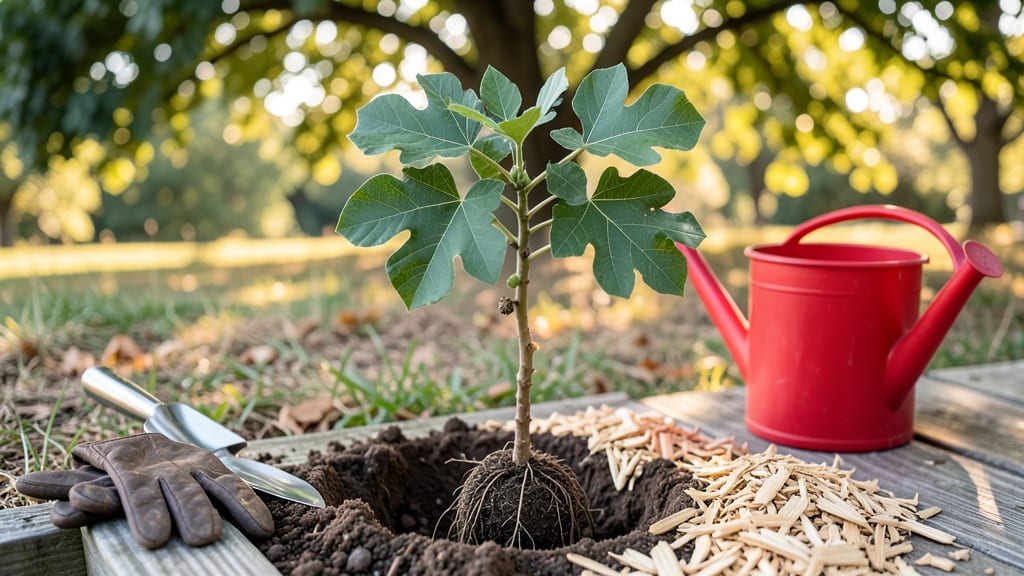
Planting a fig tree in Texas at the right time means the difference between a bountiful harvest in just 2-3 years and a sad, frost-nipped sapling.
Texas gardeners know timing is everything—plant your fig tree too early, and frost can kill it; too late, and you’ll miss the growing season. But mastering the perfect planting window ensures a thriving 🍈 tree that produces fruit faster than you can say "sweet fig jam."
In zones 8a-10b, the best months to plant are late winter to early spring (February-March) or fall (October-November), when soil temperatures are cool but frost risks are low. North Texas gardeners should wait until after the last frost date (usually mid-March), while South Texas can plant earlier.
Below, I’ll break down the exact planting schedule by zone, how to prep your soil for Texas heat, and the fastest way to get your fig tree fruiting—without waiting years for it to mature.
Best months to plant fig trees in Texas by hardiness Zone (with frost risk guide)
Fig trees thrive in Texas's warm climate, but planting timing directly impacts their survival and fruit production. Unlike cold-hardy trees, figs are semi-tropical and struggle with temperatures below 25°F (-4°C).
Texas spans USDA Zones 7-11, so your ideal planting window depends on your region's last frost date and summer heat intensity.
In North Texas (Zones 7-8), frost can linger until mid-March, while South Texas (Zones 9-11) rarely sees frost. Planting too early risks frost damage, while late planting may delay fruit production by 1-2 years.
The sweet spot is late winter/early spring or fall, when soil temperatures are 60-70°F (15-21°C).
Here’s how Texas’s hardiness zones break down for fig tree planting, including frost risk and soil temperature thresholds:
| Zone | Last Frost Date | First Frost Date | Ideal Planting Window | Soil Temp Threshold | Frost Risk |
|---|---|---|---|---|---|
| 7a-7b (North TX) | Feb 15 - Mar 1 | Nov 15 - Dec 1 | Oct 15 - Nov 15 or Apr 1 - May 1 | 60-70°F (15-21°C) | High (25-30 frost days) |
| 8a-8b (Dallas, Austin) | Mar 1 - Mar 15 | Nov 1 - Nov 15 | Sep 15 - Oct 30 or Mar 15 - Apr 15 | 60-70°F (15-21°C) | Moderate (15-20 frost days) |
| 9a-9b (San Antonio, Waco) | Feb 1 - Feb 15 | Nov 15 - Dec 1 | Sep 1 - Oct 15 or Feb 15 - Mar 15 | 65-75°F (18-24°C) | Low (5-10 frost days) |
| 10a-10b (Houston, Gulf Coast) | Jan 15 - Feb 1 | Dec 1 - Dec 15 | Aug 15 - Sep 30 or Jan 15 - Feb 15 | 70-80°F (21-27°C) | Minimal (0-5 frost days) |
| 11 (Deep South TX) | None | None | Year-round (best in spring/fall) | 70-85°F (21-29°C) | None |
For North Texas (Zones 7-8), fall planting is ideal—figs establish roots before winter, then burst into growth in spring.
In Central Texas (Zones 8-9), you can plant as late as mid-October or as early as mid-March. South Texas (Zones 10-11) offers flexibility, but spring planting (after last frost) ensures faster fruit production.
Soil temperature is critical. Figs won’t thrive if planted in cold soil (<50°F/10°C). Use a soil thermometer to confirm 60°F+ (15°C+) before planting. In cooler zones, wait until nighttime temperatures stay above 40°F (4°C)—this usually aligns with April in North Texas.
Late planting—after May 1—can delay fruiting by 1-2 years because the tree focuses on root and leaf growth rather than fruit development.
For example, a fig planted in June in Zone 8 may not bear fruit until its third year, while a fall-planted tree could fruit in 2 years.
Texas’s summer heat (often exceeding 100°F/38°C) can stress young figs, so fall planting gives roots a head start. If planting in spring, use shade cloth for the first 2-3 weeks to reduce transplant shock.
Mulch with 2-3 inches of organic matter (like wood chips) to retain moisture and regulate soil temperature.
Pro tip: Container-grown figs (potted trees) handle transplanting better than bare-root varieties, especially in Zone 7. They’re less stressed by temperature fluctuations and can be planted 1-2 weeks earlier
How to choose between bare-root vs. potted fig trees for Texas planting success
Texas's variable climate means choosing between bare-root and potted fig trees can make or break your harvest. Bare-root trees are cheaper and easier to transport, but they require immediate planting to prevent root desiccation.
Potted trees, however, offer flexibility and established root systems, reducing transplant shock in our hot summers.
For North Texas (Zones 7-8), where late frosts are common, potted trees give you a 2-week buffer to acclimate before planting. In South Texas (Zones 9-10), bare-root trees can be planted as early as February, but potted trees thrive year-round due to minimal transplant stress.
- Cost-effective (30-50% cheaper)
- Lighter to transport (no pot weight)
- Best for fall planting (Oct-Nov)
- Established roots (faster fruiting)
- Flexible planting window (year-round)
- Less transplant shock (ideal for heat)
- Limited root system (slower establishment)
- Must plant immediately (no storage)
- Higher frost risk (if planted too early)
- More expensive (20-40% pricier)
- Heavier to move (pot weight)
- Pot-bound risk (if not pruned)
If you're planting in early spring (March-April), potted fig trees are your best bet—they’ve already developed a root network to handle Texas's 100°F+ summers. Bare-root trees planted this late may struggle to establish before the heat sets in, delaying fruit production by 1-2 years.
For fall planting (October-November), bare-root trees are ideal—they dormant roots survive winter better and burst into growth when spring arrives. However, if you’re in Zone 10, stick with potted trees to avoid root desiccation during our mild but dry winters.
Pro tip: If you must use bare-root trees in summer, soak the roots for 2-3 hours before planting and mulch heavily to retain moisture. For potted trees, remove the pot and loosen roots before transplanting to prevent circling roots.
Remember, Texas fig trees fruit faster when roots establish early. Potted trees can bear fruit in 1-2 years, while bare-root trees may take 2-3 years—so choose wisely based on your patience and climate.