
Pruning
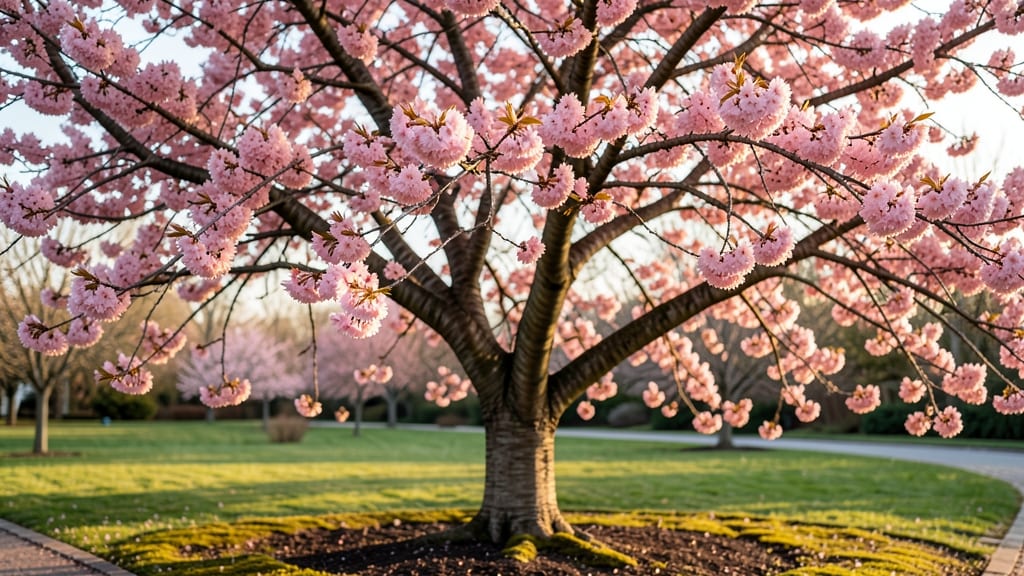
Pink flower clusters that turn heads every spring—this is the tree that steals the show in any garden. 🌸 I’ve planted mine along the border where it gets morning sun, and now neighbors stop to sniff the air when those clouds of blossoms appear.
The right tree doesn’t just bloom; it transforms your yard into a fragrant, dreamy landscape.
These trees aren’t just pretty—they’re smart choices for borders, focal points, or even shade. Think Eastern Redbud with its heart-shaped leaves, Cherry Blossom for dramatic cascades, or Crape Myrtle that blooms late into summer.
Each brings color contrast, texture, and seasonal interest beyond just flowers. Plant them near seating areas or walkways to maximize their impact.
You’ll love how they pair with perennials like hostas or ferns for a lush understory, or boxwood for structured contrast. Prune lightly after blooming to keep them shaped, and watch as pollinators flock in.
The fragrance alone makes them worth the space—imagine waking up to that sweet, floral scent drifting through your windows.
Perfect for small yards or large landscapes, these trees adapt to different soils and climates. Whether you’re creating a romantic border or a bold statement piece, this is the tree that delivers year after year. Let’s get yours planted!
📚 In This Guide
- What you need
- Instructions
- Tips and common mistakes
- Wrapping up and next steps
What you need
- ● Tree of choice: 1 Cercis canadensis (Eastern Redbud) – Fast-growing, early bloomer
- ● OR 1 Lagerstroemia indica (Crape Myrtle) – Heat-tolerant, long-lasting blooms
- ● OR 1 Prunus serrulata (Japanese Cherry) – Classic pink clusters, delicate petals
- ● Soil amendments: 5 lbs compost (for nutrient-rich soil)
- ● 2 lbs slow-release fertilizer (10-10-10 NPK ratio)
- ● 1 bag mulch (3–4 inches thick, organic like pine straw or shredded bark)
- ● Watering tools: 1 hose with adjustable nozzle (for deep watering)
- ● 1 watering can (5-gallon capacity, for young saplings)
- ● 1 shovel (for digging planting holes)
- ● 1 pruning shears (bypass type, sharp and clean)
- ● 1 hand pruners (for smaller branches)
- ● 1 gloves (gardening gloves for protection)
- ● 1 measuring tape (to check planting depth)
- ● 1 tree stake (for young, top-heavy trees)
- ● 1 tree guard (to protect from pests/deer)
- ● 1 pH testing kit (to check soil acidity, ideal: 6.0–7.0)
- ● 1 slow-release granular fertilizer (for established trees)
- ● 1 spray bottle with neem oil (natural pest deterrent)
How to plant and care for a fragrant pink flowering tree
Here's the method I've used to create stunning spring borders with trees that burst into fragrant pink blooms year after year.
🌱 Step 1: Choose the Right Tree for Your Climate and Space
For fragrant pink clusters, Cercis canadensis (Eastern Redbud) or Prunus serrulata (Japanese Cherry) are my top picks. Redbud thrives in USDA zones 4-9 and grows 20-30 feet tall, while Japanese Cherry prefers zones 5-8 and reaches 25-35 feet. Both need full sun to partial shade—at least 6 hours of direct sunlight daily for optimal blooming.
Check your local frost dates. These trees need at least 100 frost-free days to establish properly. If your area has shorter summers, opt for dwarf varieties like 'Forest Pansy' Redbud, which stays under 10 feet tall. I always verify with my local extension office before purchasing—some nurseries mislabel varieties, and that's a costly mistake.
🪴 Step 2: Prepare the Planting Site for Optimal Growth
Dig a hole twice as wide as the tree's root ball but only as deep—planting too deep suffocates roots. The top of the root ball should sit 1-2 inches above ground level to prevent water pooling. Amend the native soil with 3 inches of compost mixed into the bottom and sides of the hole for better drainage and nutrient retention.
For four trees (as this guide serves), space them 15-20 feet apart in a row for a classic border effect. If planting near a sidewalk or driveway, leave 10 feet of clearance—roots spread wider than the canopy. Water the hole thoroughly before planting to settle the soil and eliminate air pockets.
☀️ Step 3: Plant and Stake for Stability
Gently remove the tree from its container and loosen any circling roots with your fingers—this encourages outward growth. Place it in the hole and backfill with the amended soil, tamping lightly every 6 inches to remove air gaps. Never compact the soil aggressively; you want roots to spread freely.
Stake only if necessary—young trees in windy areas or with top-heavy canopies need support. Use two stakes positioned opposite each other, tied loosely with soft fabric strips (never wire, which can girdle the trunk). Water deeply immediately after planting to help soil settle around the roots.
💧 Step 4: Water and Mulch for First-Year Establishment
Water twice weekly for the first month, then taper to once weekly once leaves appear. Newly planted trees need 1-2 inches of water per week—check by pushing a screwdriver into the soil. If it slides in easily, you're under-watering; if it comes out clean, you're overdoing it.
Apply 3 inches of mulch (wood chips or shredded bark) in a 3-foot diameter ring around the base, keeping it 6 inches away from the trunk. Mulch retains moisture and regulates soil temperature, but never pile it against the trunk—this invites rot. Replenish mulch annually as it decomposes, and avoid fresh mulch in late summer to prevent heat stress.
✂️ Step 5: Prune and Fertilize for Long-Term Blooms
Prune in late winter or early spring before buds swell—this is when trees are dormant and less stressed. Remove dead, crossing, or inward-growing branches first, then thin the canopy to improve airflow. For flowering trees, never prune after mid-summer; you'll cut off next year's blooms. Use clean, sharp pruners and seal larger cuts with pruning sealant to prevent disease.
Fertilize in early spring with a balanced 10-10-10 formula, applying ½ pound per inch of trunk diameter. For a 4-inch diameter tree, that's about 2 pounds of fertilizer. Water thoroughly after applying to distribute nutrients evenly. Avoid high-nitrogen fertilizers—they promote leafy growth at the expense of flowers.
Tips & tricks for perfect fragrant pink flowering trees
A few strategic moves will ensure your fragrant pink flowering trees thrive and reward you with spectacular blooms every spring. Here’s what I’ve learned from years of trial and error.
Site Selection Secrets: While both Eastern Redbud and Japanese Cherry need full sun to partial shade, I’ve found that Japanese Cherry actually performs better in slightly cooler microclimates—think near a northern-facing wall or under high branches of taller trees. For Redbud, the key is avoiding late spring frosts; plant them where they’ll bloom early before frost risk peaks. If your area has unpredictable frost dates, opt for the 'Forest Pansy' Redbud—it’s the most cold-hardy dwarf variety and blooms reliably even in shorter seasons.
Root Ball Prep That Makes All the Difference: In Step 2, when you’re loosening those circling roots, don’t just pull them apart—score the bottom of the root ball with your fingers to encourage new root growth outward. This simple step prevents the "pot-bound" effect where roots stay tightly wound and struggle to establish. Also, if your native soil is particularly dense clay, mix in an extra inch of compost with sand (50/50) to improve drainage—this is especially critical for Japanese Cherry, which hates soggy roots.
Watering Wisdom Beyond the Basics: The twice-weekly watering schedule in Step 4 is perfect, but here’s the real trick: water deeply and slowly, not all at once. Use a soaker hose or drip irrigation to deliver water right at the root zone over 30-45 minutes. This mimics natural rainfall and encourages deep root growth. For the first month, I set a timer to water every morning for 20 minutes—consistency is everything during establishment. And watch for that screwdriver test: if it slides in easily after 1-2 inches, you’re not watering enough.
Pruning Precision for Maximum Blooms: When pruning in late winter (Step 5), focus on opening up the center of the tree to improve airflow—this prevents fungal diseases that can reduce flowering. For Japanese Cherry, I make a point to remove any suckers growing from the base, as they drain energy from the main canopy. And here’s a pro move: if you notice any branches with fewer than 5-6 buds, prune them back—they’re not strong enough to support abundant blooms. Always sterilize your pruners with rubbing alcohol between cuts to prevent spreading disease.
Pro Tips for Tree With Pink Flower Clusters
- A few strategic moves will ensure your fragrant pink flowering trees thrive and reward you with spectacular blooms every spring.
- For Redbud, the key is avoiding late spring frosts; plant them where they’ll bloom early before frost risk peaks.
- Root Ball Prep That Makes All the Difference: In Step 2, when you’re loosening those circling roots, don’t just pull them apart—score the bottom of the root ball with your fingers to encourage new root growth outward.
Frequently asked questions
Got questions about caring for your stunning tree with pink flower clusters? You’re not alone! Here are some of the most common queries—plus quick answers to keep your beauty thriving.
When is the best time to prune my tree with pink flower clusters?
Prune your tree right after flowering (late spring to early summer). This ensures you don’t accidentally trim next year’s blooms, which form on old wood. Avoid heavy pruning in fall or winter, as it can stress the tree and reduce spring flowers.
How do I encourage more pink flower clusters?
For bigger, bolder blooms, focus on these tips:
- Full sun: Plant in a spot with at least 6 hours of sunlight daily.
- Well-draining soil: Amend heavy clay with compost or sand.
- Balanced fertilizer: Use a 10-10-10 formula in early spring.
- Water deeply but infrequently: Let soil dry slightly between waterings.
Why aren’t my flowers as vibrant as last year?
Duller pinks or fewer blooms often signal stress or poor care. Check for:
- Overcrowded roots (mulch properly but avoid piling near the trunk).
- Nutrient deficiency (test soil and fertilize if needed).
- Pests like aphids or scale (treat with neem oil if spotted).
- Too much shade (relocate if possible).
Pro tip: Deadhead spent blooms to redirect energy to new growth!
Are there similar trees with pink flowers that are easier to grow?
If your current tree needs low-maintenance swaps, try these fragrant, pink-blooming alternatives:
Tree
Care Level
Bloom Time
Bradford Pear
Moderate (drought-tolerant once established)
Early spring
Crabapple (e.g., ‘Royalty’)
Easy (handles urban pollution well)
Late spring
Japanese Tree Lilac
Low (adapts to various soils)
Mid to late spring
Note: Some, like Bradford Pear, are invasive in certain regions—check local guidelines!
Can I prune my tree in winter for better shape?
Light structural pruning (removing dead or crossing branches) is fine in dormant season (late winter). However, avoid heavy cuts—winter pruning can invite disease and remove next year’s flower buds. Stick to shaping only after blooms fade for safety.
Wrapping up and next steps
Discovering a tree with pink flower clusters can transform your spring garden into a fragrant, eye-catching masterpiece! 🌸 Whether you’re drawn to the delicate blooms of a Cercis canadensis (eastern redbud) or the bold charm of a Prunus sargentii (Sargent cherry), these trees bring color, texture, and seasonal allure to any landscape.
With the right pruning techniques—like timing cuts in late winter or early spring—you’ll keep your tree thriving for years to come.
Ready to elevate your outdoor space? Start by observing your tree’s growth habits and planning your pruning schedule today. A little effort now means a stunning, fragrant display that’ll make your neighbors green with envy! 🌿