
Container Gardens
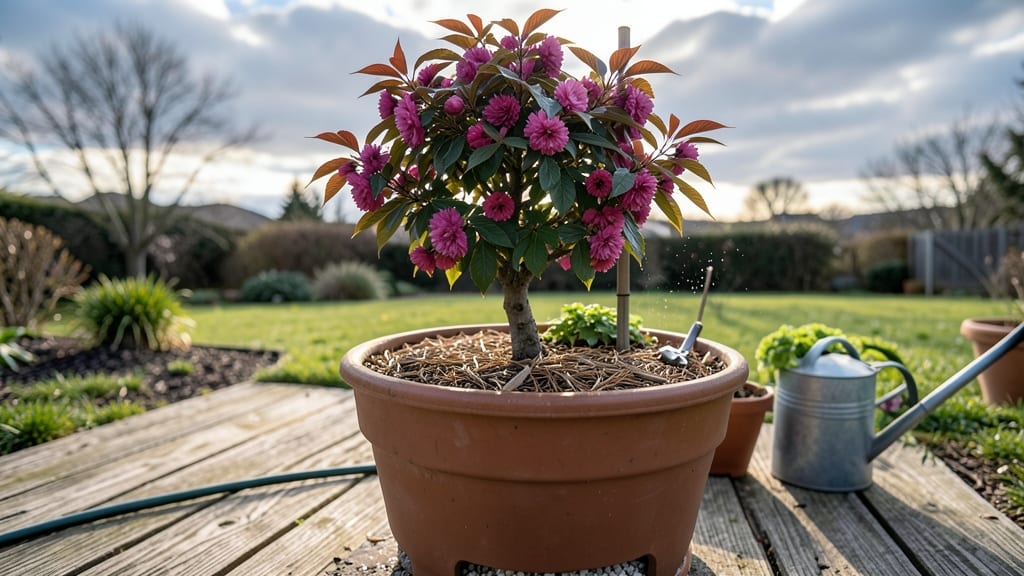
You can grow a cherry blossom tree in a pot using dwarf varieties like Prunus serrulata ‘Kwanzan’ or Prunus × yedoensis, but it requires a large container (at least 20 gallons) and well-draining soil to prevent root binding. Annual root pruning and winter protection are essential for container-grown trees.
Container gardening with cherry blossoms is absolutely doable, but it demands careful planning. 🌸 The right dwarf varieties like 'Kwanzan' or 'Yoshino' grow only 10-15 feet tall, making them perfect for patio pots, but their roots still need ample space.
I've found that adding orchid bark or perlite to the soil mix improves aeration, while a 10-inch drainage hole prevents waterlogging. Remember, these trees need full sun (6+ hours daily) and regular watering—especially during flowering season—to keep their delicate blooms vibrant.
Winter care is where many gardeners overlook the details. 🍂 Without proper insulation, container-grown cherry blossoms can suffer frost damage. Wrapping the pot in bubble wrap or moving it to a sheltered location (like a garage with ventilation) helps maintain root health.
And don't forget to reduce watering in colder months—the roots need to stay slightly dormant to survive the chill.
💡 In This Article
- Best Cherry Blossom Varieties for Container Gardening
- Container Size, Soil, and Root Care Essentials
Best cherry blossom varieties for container gardening
Not all cherry blossom trees adapt equally to container life. The key is choosing varieties bred for compact growth, like Prunus serrulata 'Kwanzan', which matures at 15-20 feet but stays manageable with annual pruning.
This cultivar features double pink blooms that appear in late spring, lasting 10-14 days—longer than many standard varieties. 🌸 The Yoshino cherry (Prunus × yedoensis) is another excellent choice, reaching 25-30 feet but tolerating pruning to 10-12 feet in pots, with fragrant white flowers that cover the tree completely.
For colder climates, Prunus serrulata 'Autumnalis' stands out with its fall-to-spring blooming habit, making it ideal for year-round interest. Its growth habit is slightly more vigorous (20-25 feet), but its shallow root system makes it adaptable to containers.
The trade-off? It requires more frequent root pruning (every 1-2 years) to prevent root circling. Always select grafted trees—these have stronger root systems than seed-grown varieties, which develop aggressive, deep roots that struggle in pots.
What most people overlook is the root flare—the area where roots meet the trunk. In container-grown trees, this should sit 1-2 inches above the soil line to prevent suffocation.
Varieties like 'Shirotae' (white single blooms) have finer root structures, making them slightly easier to manage in 15-gallon containers, while 'Taihaku' (pale pink blooms) needs 20+ gallons to accommodate its broader root spread.
The right variety can mean the difference between a thriving patio tree and one that struggles with stunted growth.
Cold hardiness varies significantly too. 'Kwanzan' handles zones 5-8, while 'Yoshino' thrives in zones 5-9. If you're in zone 4 or below, consider Prunus × subhirtella 'Autumnalis', which blooms later in spring when frost risks have passed.
This variety's darker green foliage also provides better winter interest than lighter-leafed types. The secret? Matching your climate to the variety's chilling requirements—most need 500-1,000 hours below 45°F annually to bloom reliably.
One final pro tip: Look for container-specific labels from nurseries. These trees are often pre-pruned and have been grown in 3-5 gallon pots before sale, meaning their roots are already accustomed to restricted spaces.
Avoid "field-grown" trees—even dwarf varieties—unless you're prepared for 2-3 years of root training to adapt them to containers. The right start saves years of frustration down the road.