
Trees
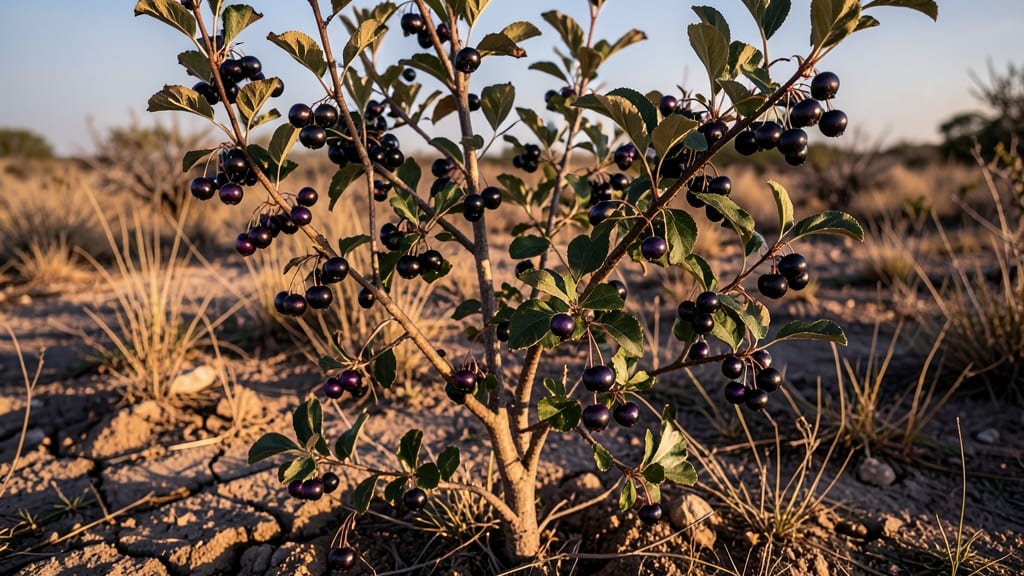
If you love blackberries but want a tree-sized alternative for easy harvesting and year-round interest, these seven edible varieties deliver. From ornamental beauty to culinary potential, these berry-bearing trees offer both practical and aesthetic rewards for gardeners.
Arctic Kiwi Vine (Actinidia arguta)
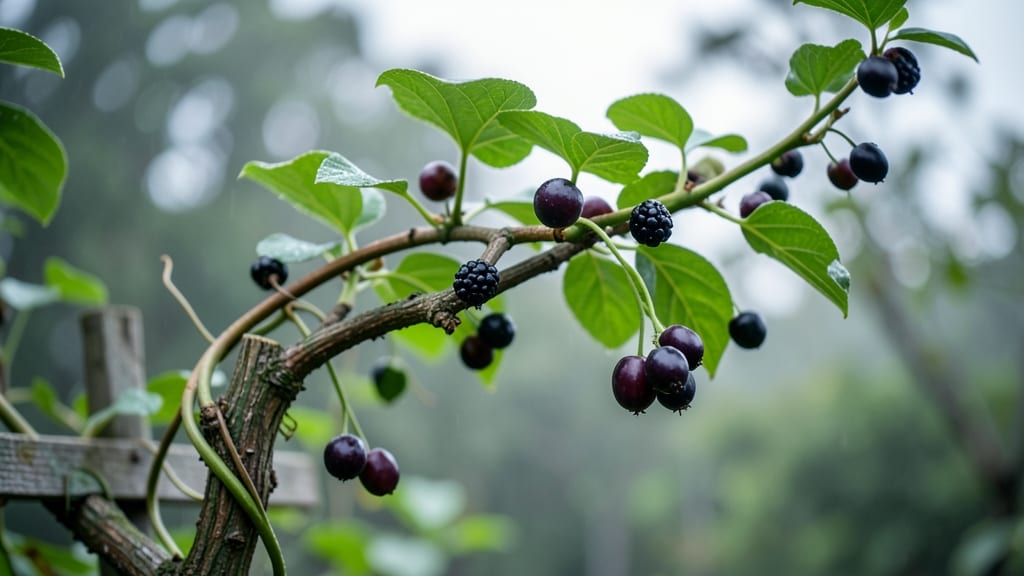
If you crave blackberries but lack space for sprawling brambles, the Arctic kiwi vine (Actinidia arguta) delivers the same sweet, grape-like flavor in a compact, tree-like form. Unlike its tropical cousin, this hardy vine thrives in cooler climates and can be trained into a small tree or trellis, making it perfect for patios and urban gardens.
This fast-growing deciduous vine produces blackberry-sized fruits with bright green, jelly-like flesh that’s sweeter than store-bought kiwis. Plant it in full sun to partial shade and well-draining soil—it’s drought-tolerant once established. For best results, train it along a trellis or fence to save space, and be sure to plant male and female vines for pollination and fruit production.
Urban gardeners and small-space growers will love this low-maintenance alternative to traditional berry bushes. With minimal pruning and year-round interest (thanks to its glossy foliage and winter hardiness), it’s a versatile addition that keeps giving—both in beauty and harvest. 🌱
Honeyberry Bush (Lonicera caerulea)
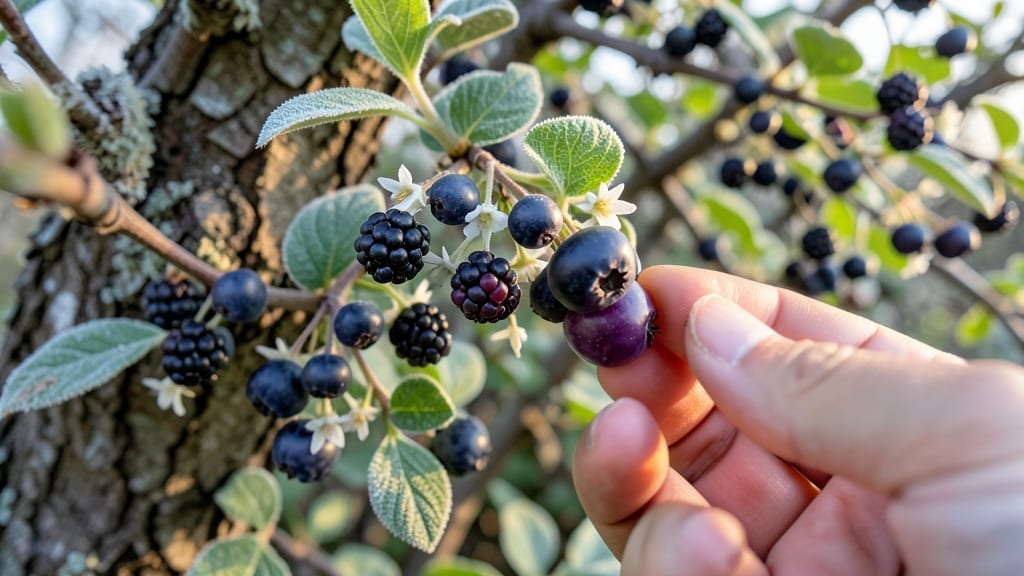
Tired of waiting until summer for berries? The honeyberry bush (Lonicera caerulea) delivers tart-sweet, mini blackberry-like fruits as early as late April—often before other berries even appear. This cold-hardy shrub thrives in zones 2-6, making it perfect for northern gardeners who miss fresh berries during long winters.
With minimal care, honeyberries produce abundant clusters of glossy, deep purple-black berries that ripen in spring. Plant in full sun to partial shade with well-drained soil, and prune lightly after harvest to encourage bushier growth. The berries are rich in antioxidants and can be eaten fresh, made into jams, or frozen for later use.
This low-maintenance shrub is ideal for small gardens, containers, or as a pollinator-friendly hedge. 🌱
Black Haw Viburnum (Viburnum prunifolium)
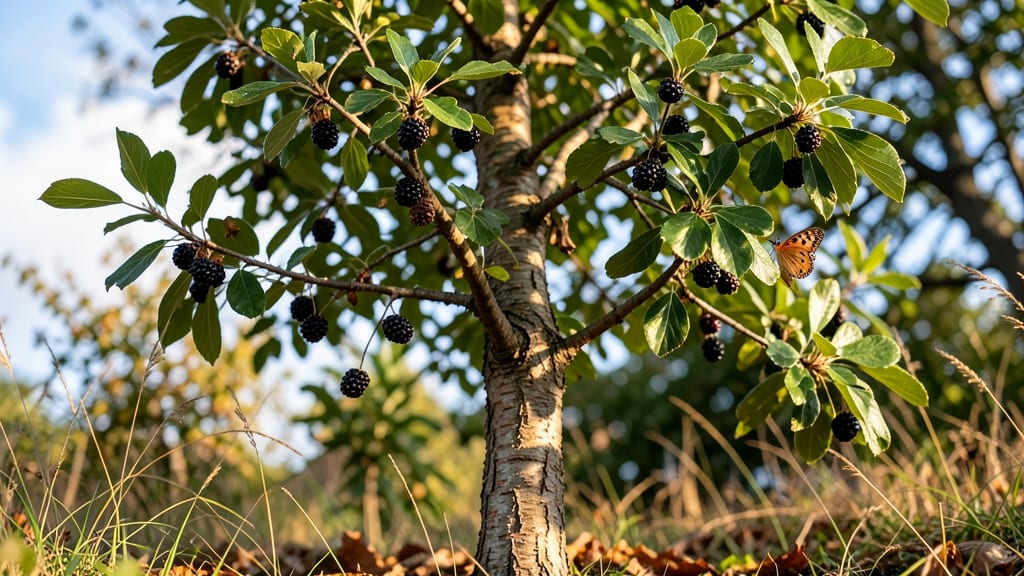
Want a tree that doubles as a wildlife magnet and a late-summer berry producer? The Black Haw Viburnum (Viburnum prunifolium) delivers glossy foliage, fragrant spring blooms, and edible blackberry-like fruits that ripen in August—all while attracting birds and butterflies.
This drought-tolerant native tree thrives in full sun to partial shade and handles poor soil better than many ornamentals. The dark purple-black berries (technically drupes) are tart but edible raw or in jams, while the evergreen-like foliage keeps interest year-round. Prune lightly in late winter to maintain shape and encourage new growth.
Perfect for urban gardens or woodland edges, this tree offers low-maintenance beauty with a functional bonus. Plant it near patios where wildlife activity can be enjoyed up close. 🌿
Elderberry Tree (Sambucus canadensis)
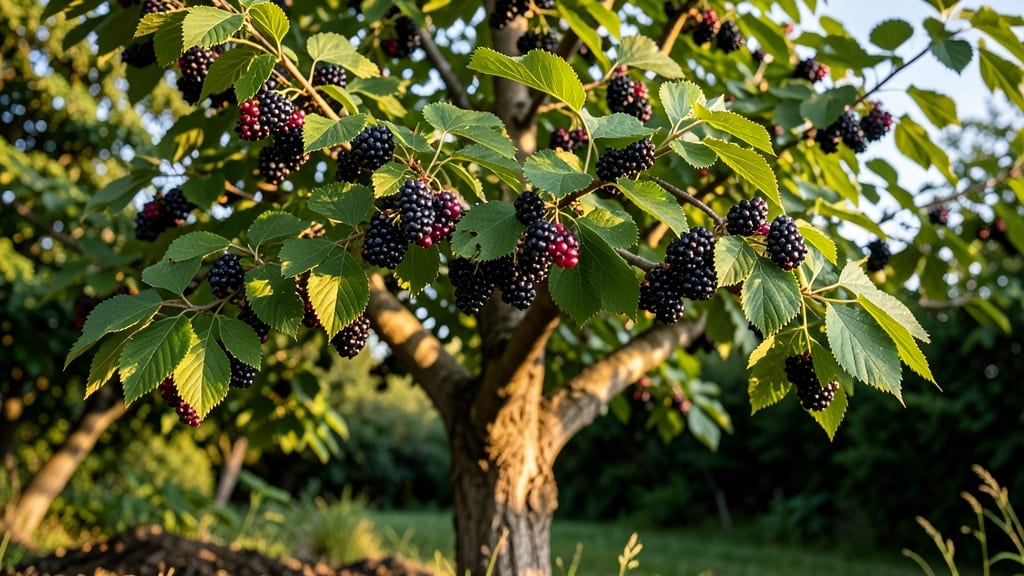
Want a berry-bearing tree that’s as tough as it is productive? The elderberry tree (Sambucus canadensis) delivers dark purple-black berries perfect for jams, syrups, and teas—all while thriving in nearly any soil condition, from boggy to dry.
This fast-growing native reaches 10-12 feet tall with minimal pruning, making it ideal for wildlife-friendly yards or homesteads. Plant in full sun to part shade, and let it spread naturally—it’s adaptable enough to handle wet soils or drought once established. Harvest berries in late summer to early fall when they’re deep purple-black and slightly soft.
Perfect for beginner gardeners or those with limited space, elderberries offer both beauty and bounty with almost no fuss. 🌟
Jostaberry Shrub (Ribes × nidigrolaria)
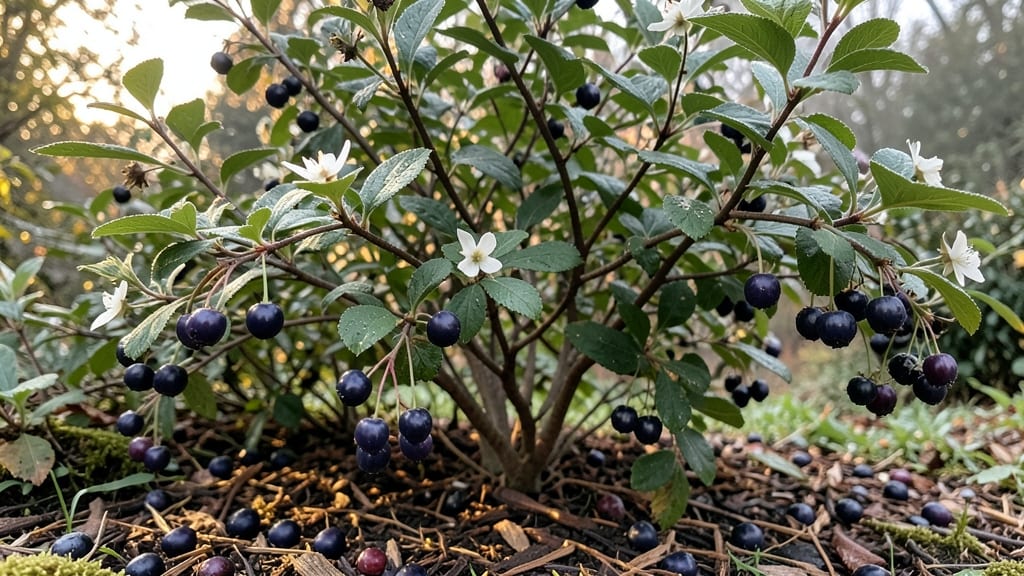
Looking for a disease-resistant berry shrub that thrives in cold climates and delivers a blackberry-raspberry flavor? Meet the jostaberry (Ribes × nidigrolaria), a hardy hybrid that’s perfect for organic gardeners and small spaces. This low-maintenance shrub produces abundant, glossy berries that ripen in late summer, offering a unique taste that’s sweeter than blackberries but with a raspberry-like tang.
The jostaberry excels in USDA zones 3-7, making it one of the most cold-hardy berry shrubs available. It’s naturally resistant to many pests and diseases, reducing the need for chemical interventions—ideal for organic gardening. With a compact growth habit (typically 4-6 feet tall), it’s perfect for containers, hedges, or small backyards, producing high yields with minimal care.
Urban gardeners and organic enthusiasts will love its versatility—berries can be eaten fresh, made into jams, or fermented into wine. Its year-round appeal includes striking foliage in spring and persistent berries that last well into winter. 🌿
Black Mulberry Tree (Morus nigra)
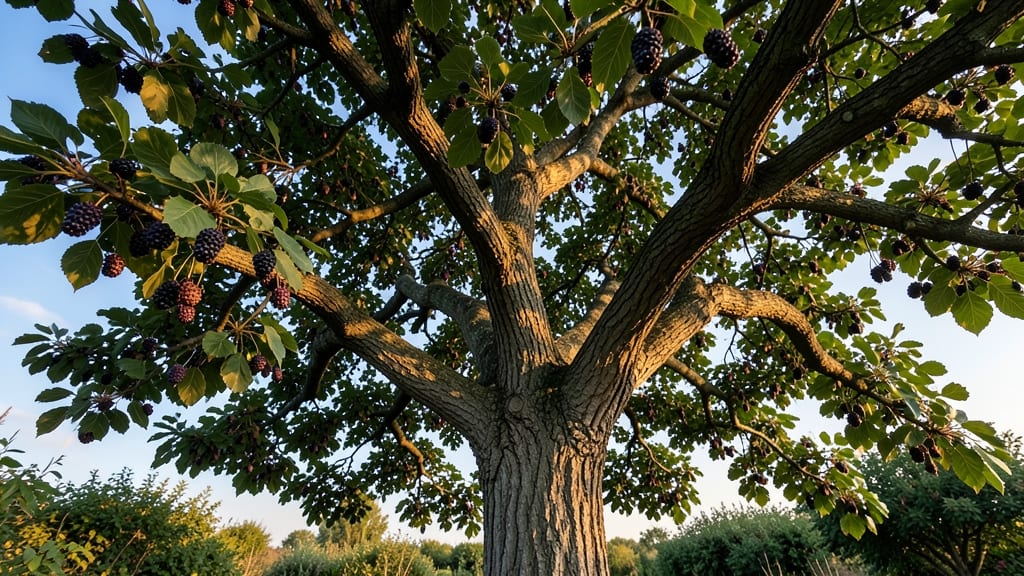
Imagine a tree that produces berries so sweet and plump they rival blackberries—Black Mulberry (Morus nigra) delivers, with a history stretching back to ancient orchards of the Mediterranean. This majestic tree isn’t just productive; it’s a living piece of horticultural heritage, offering both year-round interest and a bountiful harvest of edible fruit.
Thriving in USDA zones 5-9, the Black Mulberry prefers full sun to partial shade and well-drained soil, making it ideal for Mediterranean climates or traditional orchards. Its large, deep purple-black berries (up to 1.5 inches long) ripen in late summer, offering a flavor profile that’s sweeter and richer than commercial blackberries. For best results, plant in spacious areas—this tree can grow 30-50 feet tall!
Perfect for homesteaders, orchard enthusiasts, or anyone seeking a low-maintenance yet historic fruit tree, the Black Mulberry adds both beauty and bounty to your landscape. 🌻
Black Chokeberry (Aronia melanocarpa)
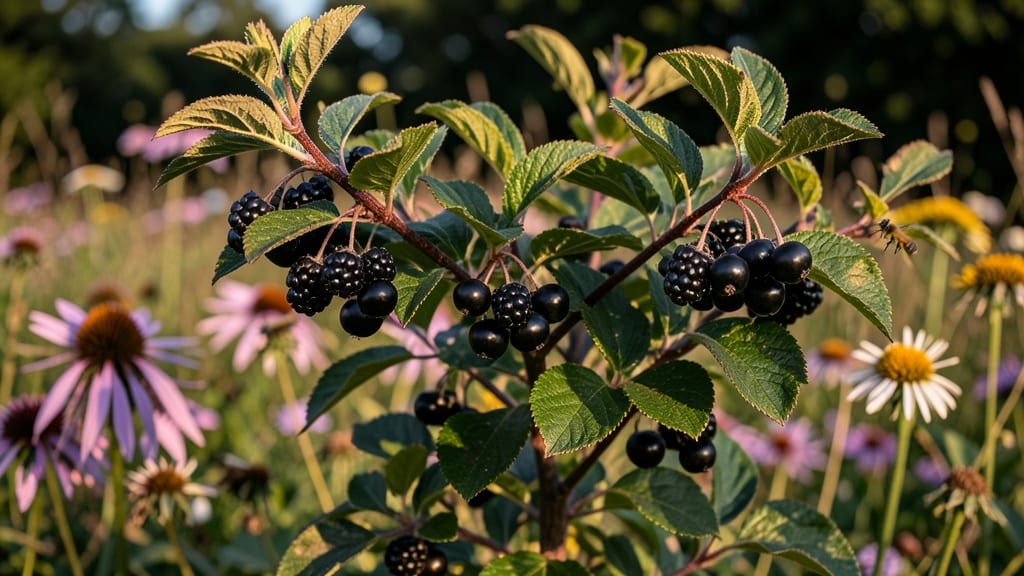
Looking for a drought-tolerant superfood shrub that doubles as a pollinator magnet? Black chokeberry (Aronia melanocarpa) delivers blackberry-sized berries packed with antioxidants—without the fuss of high-maintenance care. This native North American shrub thrives in full sun to partial shade and handles poor soil like a champ, making it perfect for urban gardens or wild landscapes.
The berries ripen in late summer to early fall, offering a tart-sweet flavor ideal for jams, teas, or fresh eating. Birds and bees adore its spring blooms, while its bright red fall foliage adds seasonal color. Prune lightly in late winter to maintain shape—no heavy-handed trimming required.
Perfect for beginner gardeners or eco-conscious landscapers, black chokeberry combines beauty, nutrition, and resilience. Plant it once, and enjoy year-round interest with minimal effort. 🌟