
Pruning
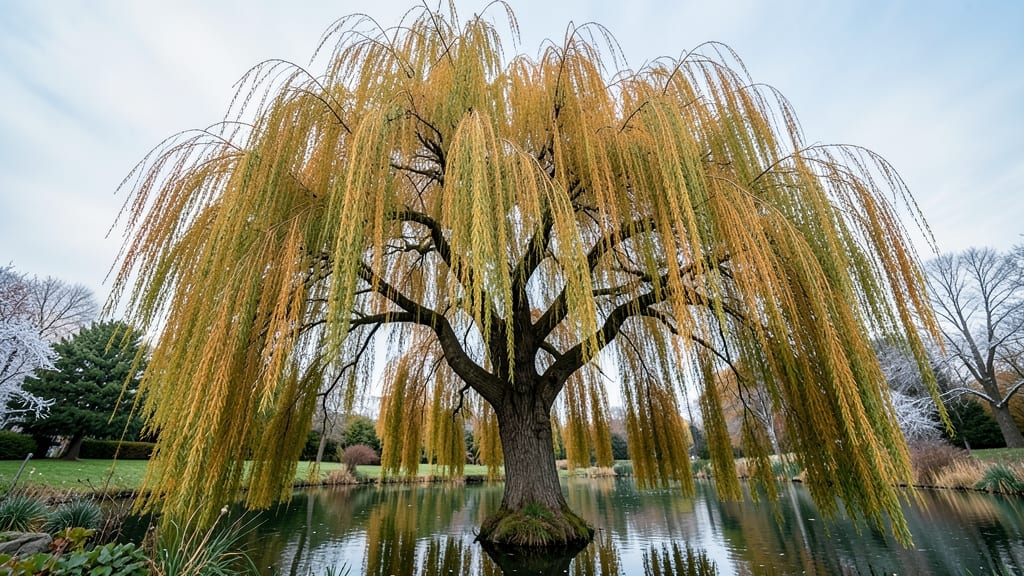
Transform your garden into a living canvas with these 10 trees that deliver stunning seasonal transformations. From fiery autumns to delicate spring blooms, these varieties ensure year-round visual interest with minimal effort.
Japanese Maple for Vibrant Autumn Foliage
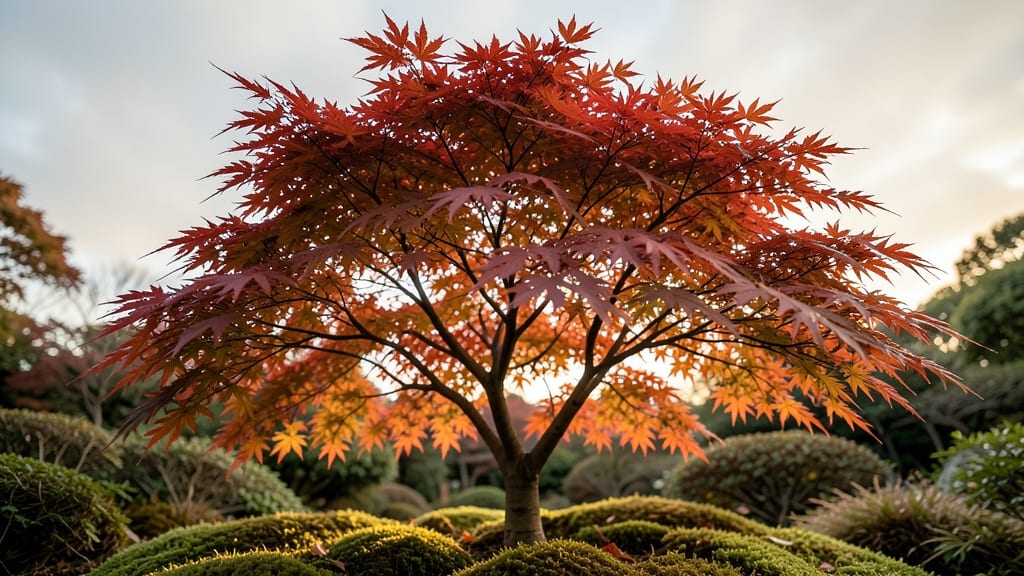
Want a small but mighty tree that turns your garden into a fiery autumn masterpiece? The Japanese maple (Acer palmatum) delivers with its delicate, lace-like branches and leaves that blaze in fiery reds and oranges—perfect for creating natural art in tight spaces.
This shade-loving tree thrives in partial to full shade, making it ideal for understory planting or urban courtyards where sunlight is limited. Varieties like 'Bloodgood' or 'Emperor I' offer deep crimson foliage, while 'Orange Dream' lives up to its name with golden-orange hues. For best results, plant in well-draining, acidic soil and protect from strong winds to preserve its graceful form.
Urban gardeners and small-space enthusiasts will love how this tree adds year-round interest—even its winter silhouette has charm. Its compact size (10-25 feet) makes it perfect for accent planting or as a focal point in shade gardens. 🌻
Dogwood Tree with Springtime Starburst Blooms
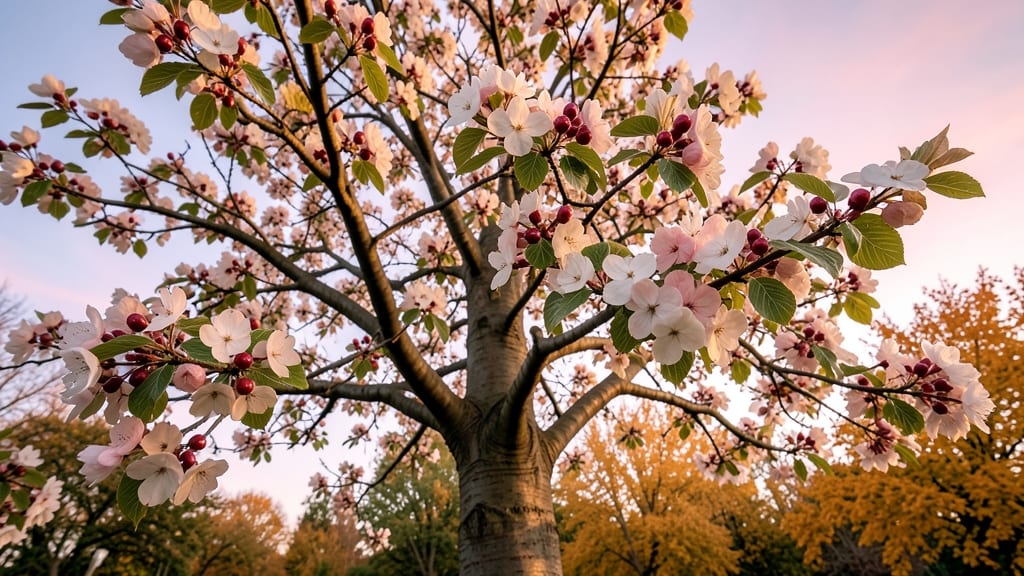
If you crave a tree that feels like a springtime fireworks display, the dogwood delivers with its iconic four-petaled blooms in white, pink, or blush tones. Unlike showy annuals, this tree offers three seasons of interest—from delicate flowers to rich red berries and golden fall foliage—all while requiring less fuss than you’d expect.
Dogwoods thrive in partial shade, making them ideal for urban gardens where full sun isn’t an option. Their medium size (20–30 feet) fits well in backyards, and they tolerate a range of soils, including clay. For best results, plant in well-draining soil and water deeply during the first year to establish roots. Prune only to remove dead branches—no heavy shaping is needed.
Perfect for gardeners who want low-maintenance beauty without sacrificing seasonal drama, dogwoods also attract pollinators in spring. Their berries provide winter interest for birds, ensuring your tree stays lively year-round. 🌷
Ginkgo Biloba for Golden Fall Spectacle
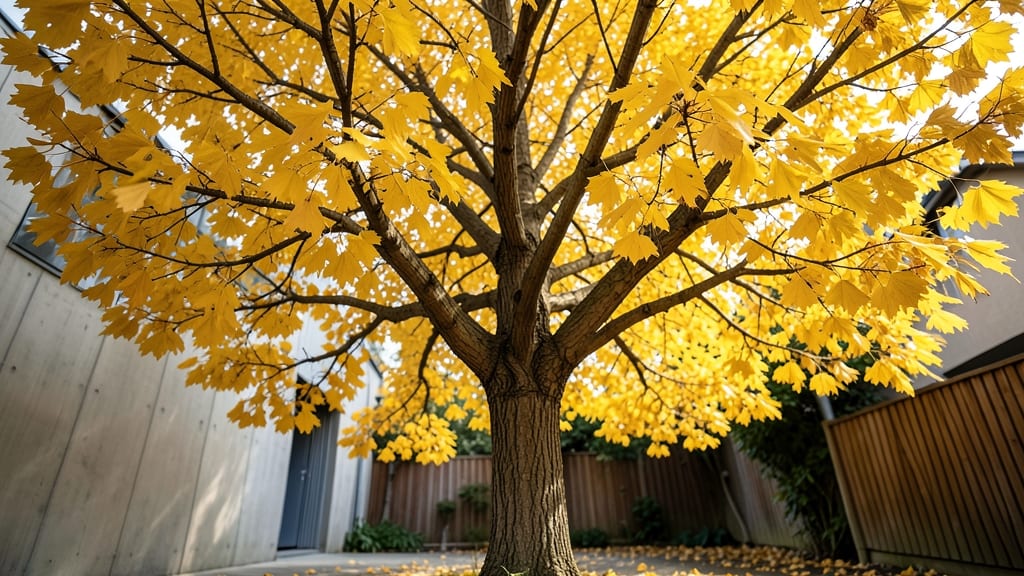
If you want a tree that delivers a golden autumn spectacle with zero fuss, Ginkgo Biloba is your answer. Unlike other seasonal trees, its fan-shaped leaves transform into a brilliant, uniform yellow—creating a striking contrast against any backdrop, from modern urban spaces to rustic landscapes.
This ancient tree thrives in both city and country settings, tolerating pollution, drought, and even poor soil once established. Its pest-resistant nature means fewer pesticides and more time admiring its foliage. For best results, plant in full sun where its 50-70 foot height can be fully appreciated, though dwarf varieties exist for smaller spaces.
Perfect for urban gardeners or anyone seeking low-maintenance beauty, the Ginkgo’s golden fall display lasts weeks and pairs beautifully with evergreens or other deciduous trees. 🌟
Redbud Tree for Early Spring Color
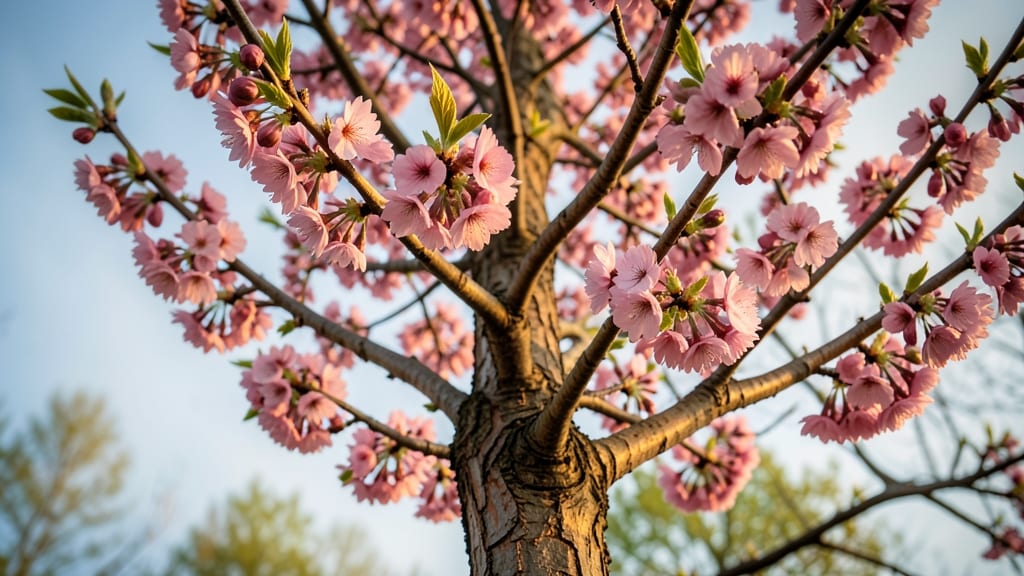
Ready to welcome spring with a burst of color? The redbud tree (Cercis canadensis) is nature's firework—its pink blossoms appear before leaves even emerge, signaling that winter's grip is loosening. This early bloomer thrives in USDA zones 4-9, making it one of the hardiest choices for gardeners eager to brighten their landscape as soon as temperatures rise above freezing.
Its compact size (20-30 feet tall) and rounded shape fit perfectly in small yards, while its heart-shaped green leaves add lush contrast after the flowers fade. What makes redbuds especially valuable for pollinators? Bees and butterflies flock to their early nectar source, often appearing when few other flowers are in bloom. Plant it in full sun to partial shade and well-drained soil for optimal performance—it's equally at home in urban gardens or woodland edges.
This tree's dual-season appeal—spring blooms followed by summer foliage—makes it a standout for gardeners who want year-round interest without the upkeep of larger specimens. 🌱
Sweetgum Tree for Dramatic Fall Drama
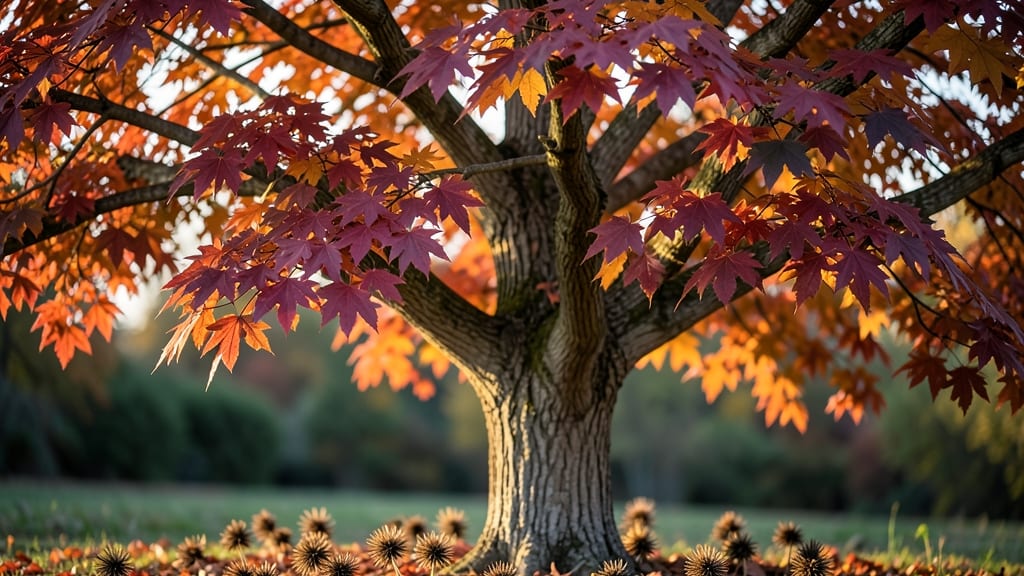
Want a tree that turns your yard into a fiery autumn masterpiece without fuss? The sweetgum tree delivers dramatic star-shaped leaves that blaze in red, orange, and purple hues—far more vibrant than many maples—and its unique spiky seed pods add winter texture when leaves fall.
This hardy tree thrives in full sun and tolerates poor soil conditions, making it ideal for urban lots or neglected corners. Plant it in well-drained soil and give it space to grow (50-75 feet tall), but be prepared for its messy seed pods—they’re a trade-off for that stunning fall show. Water regularly the first year to establish roots.
Perfect for gardeners who crave bold seasonal color with minimal maintenance, the sweetgum is a standout choice for those with sunny, low-maintenance spaces who want drama without the fuss. 🌻
Serviceberry with Four-Season Interest
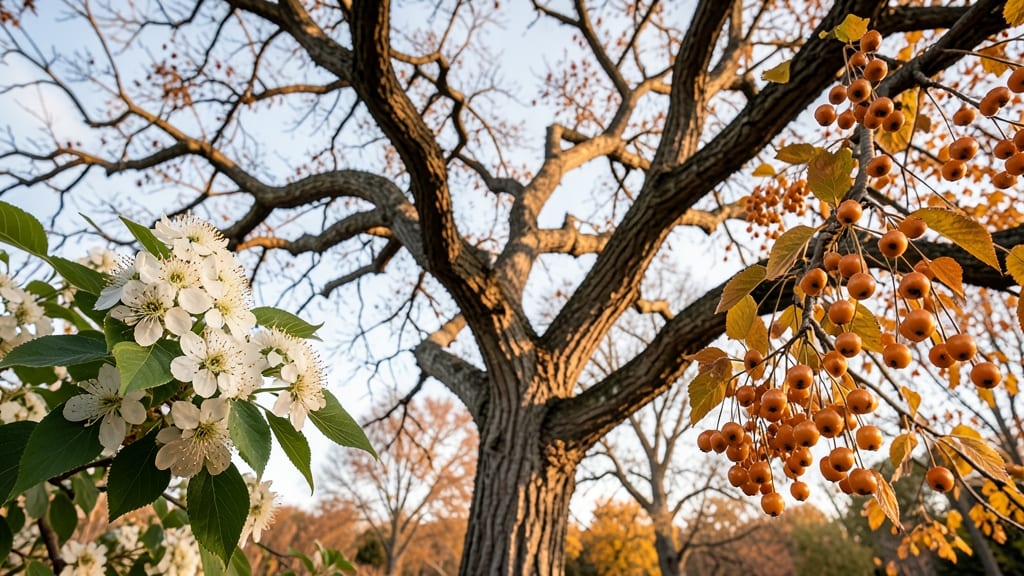
Tired of trees that only shine in one season? The serviceberry delivers a year-round show with minimal fuss—think white spring blooms, juicy summer berries, golden fall foliage, and even winter bark texture. This compact tree is the ultimate multi-season performer.
Plant it in full sun to partial shade and watch it transform: delicate white flowers in spring attract pollinators, while the tart, edible berries (great for jams or wildlife) ripen in summer. Fall brings fiery gold leaves, and the exfoliating bark adds winter interest. At 15–25 feet tall, it fits perfectly in modern landscapes, small yards, or even large containers.
Whether you're a beginner or a seasoned gardener, serviceberry offers effortless beauty with four distinct seasons of interest—no pruning required. 🌻
Hornbeam Tree for Year-Round Texture
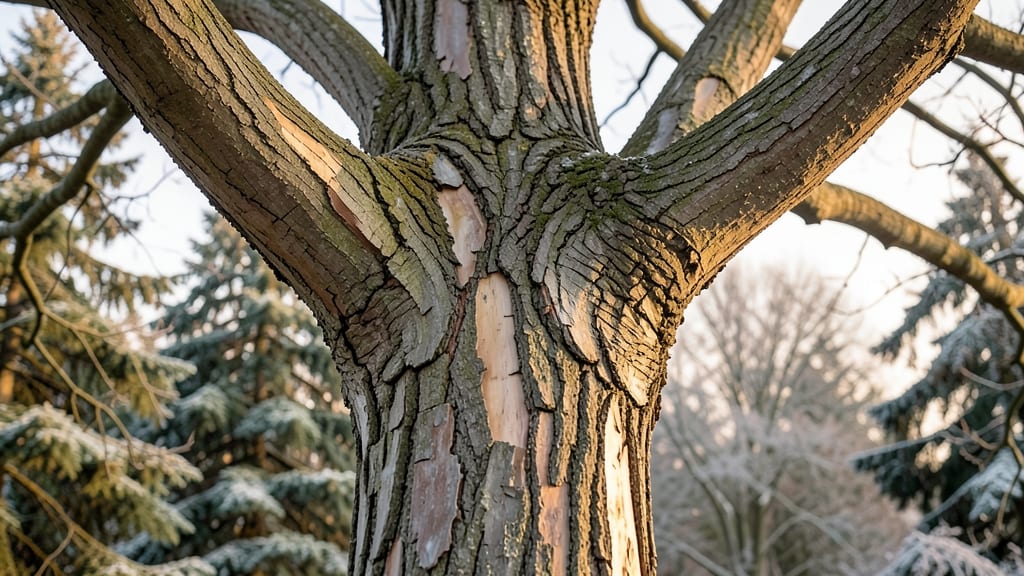
Tired of winter gardens that look dull and lifeless? The hornbeam tree delivers year-round texture with its striking, exfoliating bark that peels back in layers like a natural work of art. Unlike other trees that fade into the background during colder months, this tree keeps your landscape vibrant even when other plants are dormant.
This versatile tree thrives in full sun to partial shade and handles a wide range of soil types, making it perfect for almost any garden. Its leaves turn a soft golden-yellow in fall, adding warmth before dropping, while its slow-growing nature means you won’t need to prune it often. You can shape it into a formal hedge or let it grow as a specimen plant for a bold statement.
Whether you're designing a small urban garden or a sprawling landscape, the hornbeam offers low-maintenance beauty that evolves with each season. It’s especially ideal for gardeners who want textural contrast without the high upkeep of more demanding trees. 🌻
Smoke Tree for Unique Spring Display
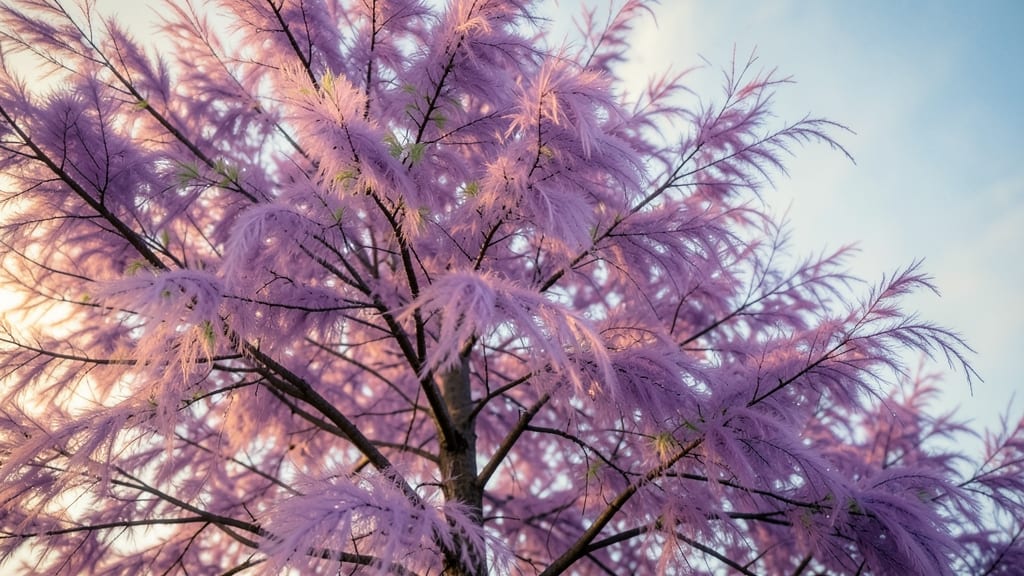
Want a tree that feels like a living watercolor painting in spring? The smoke tree (Cotinus) delivers ethereal purple foliage that looks like billowing smoke, creating a magical first impression. Unlike other spring-blooming trees, it doesn’t rely on flowers—its foliage itself is the star show.
Native to Asia and North America, this small tree thrives in full sun to partial shade and tolerates a range of soil types. Once established, it’s drought-tolerant, making it ideal for low-maintenance gardens. In fall, the leaves transform into golden hues, and its delicate branches add winter interest. Prune lightly after flowering to shape it or encourage denser growth.
Perfect for gardeners who love textural contrast, the smoke tree pairs beautifully with evergreens or perennials. Urban gardeners will appreciate its compact size (15–25 feet tall) and air-purifying qualities. 🌟
Crape Myrtle for Summer to Fall Color
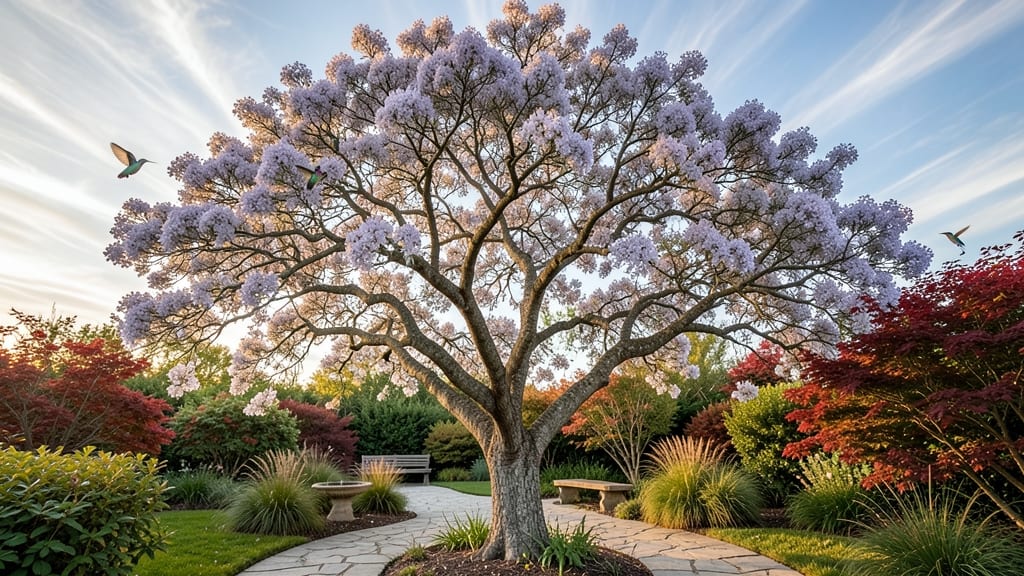
Want a tree that delivers two seasons of showstopping color without the fuss? The crape myrtle starts with clusters of lavender-white summer blooms that attract hummingbirds, then transforms into fiery red, orange, or purple foliage as fall arrives.
This adaptable tree thrives in USDA Zones 6-9, tolerates poor soil, and handles drought once established. Prune in late winter to shape its graceful, multi-trunk form—just avoid "crape murder" by never cutting back into old wood. Varieties like 'Natchez' (white flowers) or 'Muskogee' (purple foliage) offer options for every palette.
Southern gardeners will love its heat tolerance, while urban planners appreciate its compact size (10-25 feet). Plant as a specimen or in groups for a long-lasting seasonal display that keeps your garden buzzing. 🌻
Weeping Willow for Graceful Seasonal Changes

Looking for a tree that transforms your landscape into a living watercolor painting? The weeping willow delivers year-round drama with its cascading branches that shift from lush green to golden hues, even maintaining an elegant silhouette in winter.
This fast-growing tree thrives near ponds, streams, or even rain gardens, where its moisture-loving roots can spread freely. Plant it in full sun for maximum seasonal color impact, and expect those iconic branches to reach 15-20 feet within just a few years. Its unique winter shape—bare branches arching gracefully—adds structure to winter gardens.
Perfect for gardeners who want to combine beauty with function, the weeping willow brings tranquility to any waterside setting while requiring minimal pruning beyond occasional branch shaping. 🌱