
Flowers
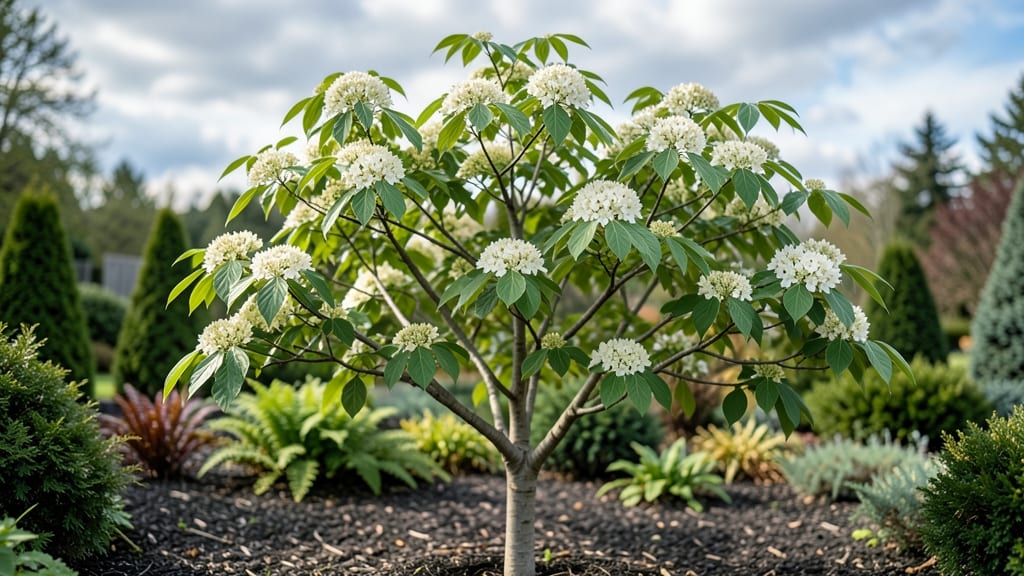
White flowers and bright red berries on the same tree?
That’s the magic of winterberry—a deciduous shrub that turns your garden into a pollinator paradise year-round. 🌿 I fell for it the first time I saw how bees swarmed its spring blooms, then stayed for the bold winter berries that feed birds through snow.
It’s the kind of plant that makes neighbors do a double-take when they see it dressed in frost.
This shrub thrives in moist soil and partial shade, making it perfect for rain gardens or near ponds. The white flowers appear in late spring, attracting butterflies and hummingbirds, while the red berries form in fall and persist through winter—giving structure to otherwise bare landscapes.
Unlike some showy plants, winterberry handles humidity and even wet feet, so it’s a reliable choice for tough spots.
Pair it with evergreens like inkberry holly for winter color contrast, or plant near a patio where you can enjoy the buzz of pollinators up close. The berries also make stunning dried arrangements, so you get beauty indoors too.
It’s the kind of plant that works hard for your garden—without demanding much in return.
Best of all, it’s a low-maintenance star that rewards patience. Start with one, and you’ll soon wonder why you didn’t fill your yard with them years ago. Here’s how to make it the centerpiece of your landscape design.
Behind The Blooms And Berries
The striking contrast of red berries and white flowers on certain shrubs isn’t just a visual treat—it’s a carefully orchestrated biological process. Understanding why this happens reveals the fascinating interplay between plant reproduction, pollinator behavior, and seasonal adaptation. Here’s what’s really going on beneath the surface.
Most shrubs with white flowers (like Viburnum or Aronia) follow a biennial flowering pattern, meaning they produce flowers and berries in alternating years—or sometimes in staggered branches. This isn’t laziness; it’s an energy-saving strategy.
- Energy allocation: Trees and shrubs prioritize either vegetative growth (leaves, stems) or reproductive growth (flowers, fruit) in a given year. If a plant puts too much energy into flowers one year, it may struggle to survive harsh winters or pests the next.
- Pollinator timing: White flowers often bloom in early spring (before leaves fully emerge) to attract bees and butterflies when food is scarce. This maximizes pollination success.
- Climate cues: Cooler temperatures and shorter daylight hours trigger flowering hormones (like florigen). Some species need chilling hours (e.g., 500–1,000 hours below 45°F) to break dormancy and bloom.
Actionable tip: If your shrub isn’t flowering, check its hardiness zone and chilling requirements. Moving it to a sunnier spot or mulching to regulate soil temps can help!
Not all red berries appear magically—most require successful pollination to form. Here’s how it works:
| Step | Process | Why It Matters |
|---|---|---|
| 🐝 Pollinator Visit | Bees, birds, or wind transfer pollen from male to female flower parts. | White flowers often have highly reflective petals (visible to bees in UV light), guiding pollinators in. |
| 🌱 Fertilization | The ovary swells into a berry after pollen tubes reach the ovule. | Some shrubs (like Cornus mas) are self-fertile, but others need cross-pollination for fruit set. |
| 🍇 Berry Ripening | Chlorophyll breaks down, revealing red pigments (anthocyanins) as sugars accumulate. | Birds love the bright color—helping disperse seeds far and wide! |
Pro tip: 🌡️ If berries stay green or drop early, your plant may be under-pollinated. Hand-pollinate with a soft brush, or plant a second shrub nearby to ensure cross-pollination.
Some shrubs produce both flowers and berries year-round due to:
- Evergreen vs. deciduous:
- Evergreen shrubs (e.g., Ilex verticillata) keep leaves year-round, allowing staggered flowering and berry production.
- Deciduous shrubs (e.g., Viburnum opulus) bloom on old wood (last year’s growth), so pruning too late can remove next year’s flowers!
- Photoperiod sensitivity: Some plants (like Hydrangea arborescens) flower in response to daylength changes. Short-day plants bloom when nights lengthen, while long-day plants wait for longer daylight.
- Stress responses: Drought or poor soil can trigger abscission (premature berry drop), while over-fertilizing with nitrogen may promote leafy growth at the expense of flowers.
Key insight: ✨ Many "year-round" berry producers are polycyclic, meaning they have multiple flushes of flowers/berries on different branches. This is why you might see blooms in spring and fall!
By understanding these natural processes, you can encourage healthier blooms and berries—whether you’re growing for pollinators, wildlife, or just beauty. Next up: How to Care for These Shrubs to keep them thriving!
Revitalize Your Shrub’s Health
Reviving a shrub with red berries and white flowers is all about addressing its core needs—whether it’s pests, disease, or environmental stress. Below are targeted solutions for common issues, paired with prevention tips to keep your plant thriving.
If insects like aphids, spider mites, or scale are draining your shrub’s energy, act fast with these steps:
🔥 Step 1: Identify the Culprit
- Check leaves & stems for sticky residue (aphids), webbing (spider mites), or white fluffy spots (mealybugs).
- Shake branches over a white sheet—tiny bugs or eggs may reveal themselves.
🍳 Step 2: Manual Removal (For Light Infestations)
- Spray with soapy water (1 tsp mild dish soap + 1 quart water) to suffocate soft-bodied pests.
- Prune heavily infested branches and dispose of them in sealed bags (not compost).
👨🍳 Step 3: Natural Repellents
- Neem oil spray (1 tbsp neem oil + 1 tsp mild soap + 1 quart water) – reapply every 7–10 days.
- Introduce predator insects: Ladybugs or lacewings eat aphids naturally (buy from garden centers).
💡 Prevention Tips: ✔ Encourage beneficial insects by planting marigolds or dill nearby. ✔ Water at the base (not overhead) to reduce pest attraction. ✔ Inspect new plants before adding them to your garden.
Yellowing leaves, powdery white patches, or black spots? Fungal diseases like powdery mildew or leaf spot may be to blame.
🔪 Step 1: Prune & Disinfect
- Remove infected leaves/branches with sterilized pruners (wipe with rubbing alcohol).
- Avoid overhead watering—fungi thrive in damp conditions.
🌿 Step 2: Fungicide Treatments
- Baking soda spray (1 tsp baking soda + 1 quart water + few drops of soap) for mild mildew.
- Copper fungicide (follow label instructions) for severe infections like anthracnose.
✨ Prevention Tips: ✔ Space plants properly for airflow (3–5 feet between shrubs). ✔ Mulch with bark or wood chips (not fresh grass clippings) to prevent soil-borne fungi. ✔ Water early in the morning so foliage dries quickly.
Pale leaves, stunted growth, or sparse blooms? Your shrub may need a nutrient boost.
📊 Step 1: Soil Test First
- DIY test kit (available at garden centers) or send a sample to a local extension office for accuracy.
💪 Step 2: Amend the Soil
- For acidic-loving shrubs (e.g., azaleas, rhododendrons):
- Mix peat moss or pine needles into the soil.
- Use an acidic fertilizer (like 8-3-9 or 10-5-5).
- For general deficiencies:
- Balanced slow-release fertilizer (10-10-10) in early spring.
- Epsom salt (1 tbsp per gallon of water) for magnesium deficiency (yellowing between leaf veins).
🍎 Prevention Tips: ✔ Mulch annually with compost to improve soil gradually. ✔ Avoid over-fertilizing—too much salt can burn roots. ✔ Top-dress with compost in fall to replenish nutrients naturally.
Too much sun, poor drainage, or extreme weather can weaken your shrub.
🌞 Step 1: Assess Light Needs
- Move to partial shade if leaves scorch in hot afternoons.
- Use shade cloth (30–50%) for delicate varieties.
💧 Step 2: Improve Drainage
- Amend heavy clay soil with perlite or coarse sand.
- Raise beds slightly if water pools around the base.
⏰ Prevention Tips: ✔ Water deeply but infrequently (1–2 inches per week, depending on climate). ✔ Group shrubs with similar needs to simplify care. ✔ Protect from frost with burlap wraps in winter if needed.
Final Pro Tip: 🌟 Monitor regularly—catching issues early (like wilting or pest signs) means less drastic fixes later. With consistent care, your red-berried, white-flowering shrub will reward you with vibrant blooms and lush foliage for years!
Frequently asked questions
What are the most common trees/shrubs with red berries and white flowers?
The top choices include winterberry holly (Ilex verticillata), arrowwood viburnum (Viburnum dentatum), and highbush cranberry (Viburnum trilobum). These thrive in moist soil and offer seasonal interest from spring blooms to winter berries.
Do these plants attract wildlife?
White flowers lure bees and butterflies, while red berries feed birds through winter. Winterberry, for example, supports over 200 species of wildlife. Plant near bird feeders or water sources to maximize their ecological value.
Can I grow these in containers?
Yes, but choose dwarf varieties like Viburnum 'Compactum' or winterberry 'Red Sprite'. Use a large pot (15+ gallons) with well-draining soil and ensure it gets adequate moisture. Container-grown shrubs may need more frequent watering.
Why aren't my berries turning red?
This usually means poor pollination or insufficient sunlight. Try planting a second shrub nearby for cross-pollination, or hand-pollinate with a soft brush. Ensure the plant gets at least 4-6 hours of sun daily for proper berry development.
Are these plants deer-resistant?
Most are moderately deer-resistant, but hungry deer may still nibble young growth. Protect with deer repellent sprays or physical barriers (like fencing) during spring when new shoots emerge. Winterberry's berries are particularly appealing to deer in winter.