
Tools
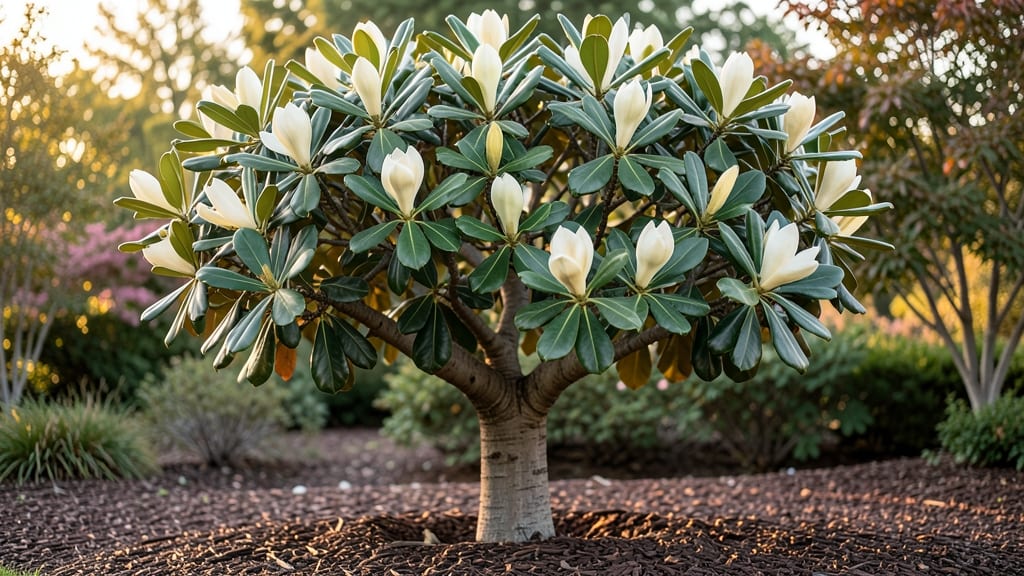
A tree garden bed transforms tight spaces into lush vertical gardens where trees thrive without stealing your yard. 🌳 I designed mine after realizing my backyard could support a small orchard and a vegetable patch—simply by stacking plants vertically.
The key? Layering soil depths, choosing dwarf varieties, and integrating trees with perennials that complement their growth habits.
Start with a 6-12 inch deep bed for small trees or shrubs, then build up to 24 inches for larger varieties. Use well-draining soil mixed with compost, and space trees 3-6 feet apart depending on their mature size.
My favorite combo? A dwarf apple tree paired with lavender and thyme at its base—both love the same sun and soil, and the herbs deter pests while adding fragrance.
By year three, your design will look like a mini forest, with trees providing shade for ground covers below. The roots stay contained, reducing competition for water, and the vertical structure creates visual interest while maximizing harvestable space.
Plus, you’ll avoid the common mistake of planting too close—giving roots room to breathe ensures long-term health.
Works for ornamental trees, fruit varieties, or even shade trees in urban settings. The same principles apply whether you’re planting a single specimen or creating a layered woodland garden. Ready to reclaim your space without sacrificing greenery?
📚 In This Guide
- What you need
- Instructions
- Tips and common mistakes
- Wrapping up and next steps
What you need
- ● Container or Planter: A large, sturdy tree-specific pot (minimum 15-20 gallons, deeper than wide for root growth).
- ○ Optional: A self-watering planter (if you travel often) or a raised garden bed (for ground planting).
- ● Growing Medium: High-quality potting mix (sterile, well-draining, and 2-3 cubic feet per tree).
- ● Perlite or vermiculite (1 part per 4 parts soil for aeration).
- ● Slow-release fertilizer (balanced 10-10-10 or organic options like composted manure).
- ● Drainage: Drainage holes (if using a DIY container) + gravel or landscape fabric (1–2 inches at the bottom).
- ● Drainage tray (to catch runoff).
- ● Tree Selection: A dwarf or semi-dwarf tree (e.g., Apple ‘Columnar’, Japanese Maple ‘Skyweeper’).
- ● Root-bound young tree (3–5 years old, 1–3 feet tall).
- ● Tools: Garden trowel or shovel (for planting).
- ● Pruning shears (to trim dead branches).
- ● Measuring tape (to check depth/width).
- ● Watering can or hose with nozzle (gentle spray for young trees).
- ● Mulch: Wood chips or bark (2–3 inches around the base to retain moisture).
- ● Support Stake: A bamboo or metal stake (for young trees in windy areas).
- ● Tree Guard: Plastic spiral wrap to protect the trunk from pests.
- ● Soil Moisture Meter: To monitor watering needs (especially for container trees).
- ● Decorative Elements: Pebbles, solar lights, or trellises for aesthetic appeal.
Step-by-step instructions for creating a tree garden bed
Transform narrow spaces into lush vertical gardens with these precise steps.
🪴 Step 1: Plan Your Vertical Layout and Select Containers
Measure your vertical space—most tree garden beds thrive in 6-12 foot tall structures. I use stackable planters (like 10-inch diameter pots) for dwarf fruit trees, spaced 12-18 inches apart vertically. Choose containers with drainage holes—terracotta or fabric grow bags work best. For 4 trees, you’ll need 4 containers plus 1 large base tray to catch runoff.
Sketch your design first. Place taller trees at the bottom (where they get more light) and smaller varieties at the top. Dwarf apple or pear trees fit perfectly in 15-gallon pots, while citrus thrives in 12-inch pots. Label each container’s future occupant to avoid mix-ups later.
🌱 Step 2: Prepare the Growing Medium and Plant Your Trees
Fill each container with a custom mix: blend 50% high-quality potting soil, 30% compost, and 20% perlite for drainage. Moisten the mix until it’s damp like a wrung-out sponge—not soggy. For 4 trees, you’ll need about 5 gallons of mix per container (20 gallons total). Gently loosen the tree’s root ball before planting to encourage outward growth.
Plant each tree at the same depth it grew in the nursery—no deeper. Press the soil lightly around the roots to eliminate air pockets, then water deeply until it drains from the bottom. This step prevents root rot and ensures stability. Place a mulch ring (2 inches of bark chips) around the top to retain moisture.
☀️ Step 3: Position for Optimal Sunlight and Wind Protection
Tree garden beds need 6-8 hours of sunlight daily, so orient your structure south-facing in the Northern Hemisphere. If your space gets partial shade, choose shade-tolerant varieties like dwarf figs or columnar apples. Secure the containers to a stable frame or wall bracket to prevent tipping—wind can uproot lightweight pots.
Check sunlight patterns weekly. If leaves yellow or grow leggy, move the container closer to light. Dwarf trees need support stakes (bamboo or metal) inserted at planting. Stake them gently—too tight restricts growth, but too loose won’t stabilize. Water every 2-3 days until the soil feels 2 inches dry at the surface.
💧 Step 4: Maintain Soil Moisture and Fertility
Vertical gardens dry out faster, so drip irrigation is ideal. Install a slow-release fertilizer (like osmocote) at planting, then top-dress with organic compost every 3 months. For 4 trees, use 1 pound of 10-10-10 fertilizer per year, split into 4 applications. Over-fertilizing burns roots—always water before and after feeding.
Watch for pests like aphids—they love tender new growth. Spray with neem oil at the first sign of sticky leaves. Prune spent blooms in early summer to encourage more fruit. In winter, wrap containers in burlap if temperatures drop below 20°F—frost cracks pots and damages roots.
✂️ Step 5: Prune and Harvest for Long-Term Health
Prune once a year in late winter (before buds swell) to shape trees and remove dead wood. Use clean, sharp shears and cut at a 45-degree angle just above a bud. For 4 trees, limit pruning to 10-15% of the canopy—less is better. This keeps them compact and productive. Harvest fruit when fully colored (e.g., apples turn deep red, peaches soften).
Real talk: Vertical trees bear smaller yields than in-ground ones, but the flavor is often sweeter. Thin fruit clusters to 6-8 inches apart—this prevents overcrowding and improves size. Store harvested fruit in a cool, dark place (like a basement) for up to 2 weeks. Rotate containers quarter-turn weekly to prevent leaning toward light.
Tips & tricks for perfect vertical tree garden beds
Small spaces shouldn’t mean small harvests—these practical tips will help your vertical tree garden thrive like a pro's.
Container Stability: Don’t underestimate wind’s power—secure your 6-12 foot tall structure with heavy-duty brackets or a freestanding frame. I’ve seen lightweight setups topple after just one storm. For extra security, anchor containers to the frame with zip ties or landscape screws through the base tray’s drainage holes. This keeps your 15-gallon pots from becoming projectiles during summer thunderstorms.
Soil Mix Precision: When blending your 50% potting soil, 30% compost, 20% perlite mix for each 5-gallon container, sift the perlite first to remove any dust. That grit can clog drainage holes over time, leading to root rot. I also recommend adding ½ cup of worm castings per container—it boosts microbial activity without overloading the mix. This makes the difference between thriving trees and struggling ones, especially in the first growing season.
Light Monitoring System: Since your trees need 6-8 hours of sunlight daily, set up a simple observation schedule. Place a white piece of cardboard behind each container to track sunlight patterns. Mark shadows with a pencil at different times of day. If you notice one tree getting only 4 hours, move the entire structure 2-3 feet closer to the light source. This visual method works better than guessing, and it’s free!
Winter Protection Hack: When temperatures drop below 20°F, I’ve found that wrapping containers in double layers of burlap—with an air gap between them—provides better insulation than single layers. Leave the top open to prevent moisture buildup. For extra protection, place containers on insulated foam boards to shield roots from ground frost. This simple upgrade can save your trees during harsh winters without requiring a greenhouse.
Pro Tips for Tree Garden Bed
- Small spaces shouldn’t mean small harvests—these practical tips will help your vertical tree garden thrive like a pro's.
- Container Stability: Don’t underestimate wind’s power—secure your 6-12 foot tall structure with heavy-duty brackets or a freestanding frame.
- Soil Mix Precision: When blending your 50% potting soil, 30% compost, 20% perlite mix for each 5-gallon container, sift the perlite first to remove any dust.
Frequently asked questions
Got questions about creating a tree garden bed? You’re not alone! Here are answers to the most common queries to help you plan like a pro.
What’s the best time of year to plant a tree garden bed?
The ideal time depends on your climate, but spring (after the last frost) or early fall are the sweet spots. These seasons give roots time to establish before extreme weather hits. For container-grown trees, you can plant year-round—just keep them watered!
How do I prevent root competition between the tree and nearby plants?
Create a root barrier (like buried plastic or metal) around the tree’s planting area to guide roots downward. For ground covers, stick to shallow-rooted plants like clover or creeping thyme. Pro tip: Mulch 3–4 inches deep (but keep it 6 inches away from the trunk) to suppress weeds and retain moisture.
Are there budget-friendly alternatives to pre-made tree garden beds?
Use cinder blocks, pallets, or even stacked bricks to build a DIY frame. Line it with landscape fabric to prevent soil loss, and fill it with a mix of topsoil and compost. For a no-dig option, try a raised bed kit from hardware stores—often under $50!
How often should I water a tree garden bed?
Newly planted trees need deep watering 2–3 times per week (1–1.5 inches total). Once established, aim for 1 inch per week, adjusting for rain. Mulch helps retain moisture, but avoid overwatering—soggy soil can suffocate roots. Check soil moisture 2 inches down with your finger!
What do I do if pests or diseases appear in my tree garden bed?
Start with prevention: Prune regularly for airflow, remove fallen leaves, and choose disease-resistant tree varieties. If pests strike, use neem oil or insecticidal soap for soft-bodied bugs. For fungal issues, copper fungicide or baking soda spray (1 tbsp per gallon of water) can help. Monitor early—catching problems fast saves your trees!
Wrapping up and next steps
Creating a tree garden bed is a game-changer for small yards—it maximizes space, boosts curb appeal, and brings nature closer to home! 🌳 With the right materials and a little creativity, you’ve got everything you need to transform even the tiniest outdoor area into a thriving vertical oasis.
Whether you’re a gardening newbie or a green thumb, this project is totally doable.
Ready to dive in? Start by sketching your design, gathering supplies, and picking your favorite trees and plants. Before you know it, your tree garden bed will be the talk of the neighborhood—and your new favorite spot to relax! 🌿