
Pruning
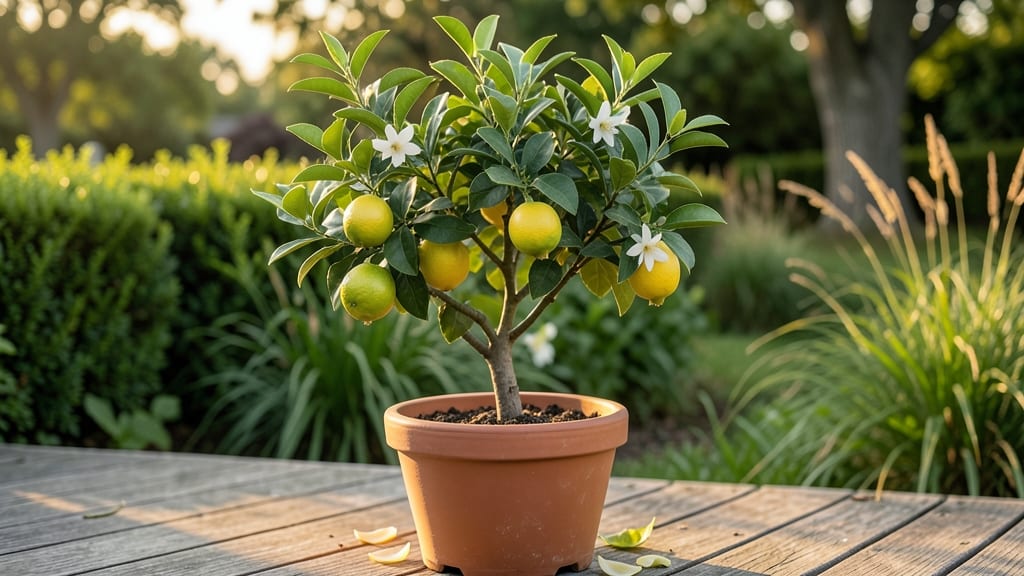
Growing a small lemon tree in a pot means fresh citrus year-round—even on your kitchen counter. 🌱 The key is keeping it compact with three simple prunes per year, and I’ve perfected the method after years of trial and error with my Meyer lemon tree.
No greenhouse or special tools needed, just the right pot, soil, and a little patience.
Start with a 12-15 gallon container (drainage holes are non-negotiable) and a well-draining potting mix. Place it where it gets 6+ hours of sunlight daily—a south-facing window or sunny patio works perfectly.
Water when the top inch of soil feels dry, and fertilize monthly with citrus-specific food during growing season. The first harvest comes in 2-3 years, but the journey is worth it.
Pruning isn’t just about shaping—it’s about encouraging fruit production. Cut back leggy branches after blooming, thin crowded growth in spring, and trim dead wood in winter. Your tree will stay manageable, productive, and lush, even in small spaces. The scent of blossoms alone makes it worth the effort.
Indoor growers need a grow light in winter, while outdoor trees thrive in pots until 10 feet tall. Watch for root-bound signs (slow growth, circling roots) and repot every 2-3 years.
With these basics, your lemon tree will reward you with bright fruit, glossy leaves, and a touch of sunshine indoors.
📚 In This Guide
- What you need
- Instructions
- Tips and common mistakes
- Wrapping up and next steps
What you need
- ● Lemon tree variety: Dwarf Meyer lemon (Citrus × meyeri) or Improved Meyer lemon (best for pots).
- ● Container: 15–25 gallon pot with drainage holes (terracotta or fabric).
- ● Well-draining potting mix: 50% cactus/succulent mix + 50% organic matter (peat moss, coconut coir, or compost).
- ● Pruning tools: Bypass pruners (for clean cuts)
- ● Sterilized hand pruners (for small branches)
- ○ Sharp garden shears (optional, for larger cuts)
- ● Gloves: Heavy-duty gardening gloves (to protect from thorns and sap).
- ○ Pruning sealant: Optional but helpful (e.g., tree wound paint or beeswax).
- ● Slow-release fertilizer: Citrus-specific granules (e.g., 8-3-6 NPK ratio).
- ● Mulch: Wood chips or straw to retain moisture.
- ● Support stake: For young trees (if needed).
- ● Spray bottle: For watering small leaves post-pruning.
- ● Grow lights: LED full-spectrum bulbs (if indoors, 12–16 hrs/day).
Step-by-step instructions for growing a small lemon tree in a pot
Here's the straightforward method I've used to keep dwarf Meyer lemons thriving indoors for years.
🌱 Step 1: Select the Right Container and Drainage
Choose a 5-gallon pot with drainage holes—lemon trees despise soggy roots. I prefer terracotta because it breathes, but any ceramic or plastic with holes works. Add a 2-inch layer of gravel or broken pottery at the bottom to prevent soil compaction and improve drainage.
This layer ensures excess water flows away from roots, preventing rot. If your pot has only one small hole, drill 2-3 additional ones around the sides. The goal is to mimic the well-draining soil of lemon tree native habitats. You'll notice roots growing toward the drainage holes—that's a sign your setup is working correctly.
🪴 Step 2: Plant with Well-Draining Soil Mix
Fill the pot with a mix of 60% potting soil, 20% perlite, and 20% coarse sand—this mimics the loose, airy soil of Mediterranean climates. Lemon trees need excellent drainage; regular garden soil will suffocate roots. Gently remove the plant from its nursery pot and place it in the center of your prepared container.
Fill around the root ball with your mix, pressing lightly to eliminate air pockets but not compacting the soil. The top of the root ball should sit about 1 inch below the pot's rim—this prevents water from spilling over during irrigation. Water thoroughly until it runs freely from the drainage holes, then let it drain completely before placing back in its saucer.
☀️ Step 3: Position for Maximum Light Exposure
Lemon trees need 6-8 hours of direct sunlight daily. A south-facing window is ideal, but east or west exposures work too. If natural light is insufficient, supplement with a full-spectrum LED grow light positioned 12-18 inches above the plant for 14 hours daily. You'll see leaves turning pale or stretching toward light—that's your cue to adjust the position.
Rotate the pot a quarter turn weekly so the tree grows evenly. Uneven light exposure causes lopsided growth. In winter, when days are shorter, increase light exposure to 16 hours daily to prevent leaf drop. The key is consistency—lemon trees thrive on routine light exposure.
💧 Step 4: Water and Fertilize for Healthy Growth
Water when the top 2 inches of soil feel dry. Stick your finger in the soil—if it's dry at that depth, it's time to water. Pour water slowly until it drains from the bottom, then empty the saucer immediately. Overwatering is the #1 killer of potted citrus. You'll notice leaves curling or yellowing if watering is inconsistent—adjust your schedule accordingly.
Fertilize monthly during spring and summer with a balanced citrus fertilizer (10-10-10 or similar). Reduce to every 6-8 weeks in fall/winter when growth slows. Always water before fertilizing to prevent root burn. The first flush of new leaves after fertilizing tells me the tree is absorbing nutrients properly.
✂️ Step 5: Prune for Shape and Fruit Production
Prune in late winter or early spring to remove dead, crossing, or inward-growing branches. Use clean, sharp pruners to make cuts just above a leaf node. I typically trim back about 1/3 of the new growth from the previous season to encourage bushier growth and more fruit. The goal is to create an open center that allows light and air to circulate.
After pruning, apply a light layer of mulch around the base to retain moisture. You'll see new growth within 4-6 weeks if the pruning was done correctly. Avoid heavy pruning in fall—it stresses the tree before its dormant period. The key is to shape the tree while maintaining its natural form, not to strip it bare.
Tips & tricks for perfect small lemon tree care
Keeping your dwarf lemon tree thriving indoors takes just a few smart adjustments—here's what I've learned after years of growing these citrus beauties.
Container Upgrade: While the 5-gallon pot works perfectly, consider upgrading to a slightly larger container (7-10 gallons) as your tree matures. The extra space gives roots room to grow without becoming root-bound, which directly impacts fruit production. I've seen trees double their lemon output after moving to a larger pot—just ensure it still has proper drainage. The key is gradual expansion: wait until you see roots circling the bottom of the current pot before resizing.
Light Exposure Secret: That 6-8 hours of direct sunlight is non-negotiable, but here's the trick: position your tree within 3 feet of the brightest window in your home. South-facing windows get the most consistent light, but east or west exposures work too—just supplement with grow lights if you notice leaves stretching toward the window (this is called etiolation). I've found that rotating the pot weekly helps maintain even growth, especially when using grow lights. The goal is to mimic the consistent sunlight patterns of their Mediterranean homeland.
Soil Mix Pro Tip: The 60-20-20 soil mix is perfect, but here's what nobody tells you: add a handful of worm castings to your potting soil before mixing. This natural fertilizer boosts nutrient availability and improves soil structure without risking root burn. I've seen trees establish faster and produce fruit sooner when using this amendment. For even better drainage, consider adding a thin layer of orchid bark (about 10%) to the mix—it helps prevent compaction over time.
Watering Wisdom: The "top 2 inches dry" rule works, but here's how to refine it: use a moisture meter for accuracy, especially in winter when watering needs decrease. I've learned that citrus trees in pots dry out faster than in-ground plants—check soil moisture more frequently during heating seasons. Another pro move: water in the morning to allow excess moisture to evaporate during the day, reducing humidity-related leaf diseases. You'll know you're doing it right when you see healthy, glossy leaves with no yellowing between waterings.
Pro Tips for Small Lemon Tree In Pot
- Keeping your dwarf lemon tree thriving indoors takes just a few smart adjustments—here's what I've learned after years of growing these citrus beauties.
- Container Upgrade: While the 5-gallon pot works perfectly, consider upgrading to a slightly larger container (7-10 gallons) as your tree matures.
- Light Exposure Secret: That 6-8 hours of direct sunlight is non-negotiable, but here's the trick: position your tree within 3 feet of the brightest window in your home.
Frequently asked questions
Got questions about keeping your small lemon tree in a pot thriving? You’re not alone! Here are the answers to common concerns—from pruning to pests—so you can enjoy homegrown lemons year-round.
How often should I prune my potted lemon tree?
Prune your lemon tree twice a year: once in late winter (before new growth) to shape it, and again after fruiting to encourage airflow. Focus on removing dead branches, crossing limbs, and up to 1/3 of the plant’s total growth per session. Over-pruning stresses the tree—keep it light!
Can I grow a lemon tree in a pot indoors all year?
Yes! But it needs bright, indirect light (6+ hours/day) near a south-facing window or under grow lights. In winter, reduce watering (let the top 1–2 inches of soil dry out) and avoid drafts. If outdoors in summer, move it to a shaded patio—just protect it from harsh winds.
What’s eating my lemon tree’s leaves? How do I fix it?
Common culprits: aphids, spider mites, or scale insects. Spray leaves with neem oil or insecticidal soap (mix 1 tsp per quart of water) and repeat weekly. For severe infestations, wipe leaves with a damp cloth dipped in soapy water. Prevent pests by pruning for airflow and avoiding overwatering.
Will my potted lemon tree survive winter indoors?
Most dwarf varieties (like Meyer lemon) tolerate indoor winters if you mimic their natural dormancy. Keep temps between 50–65°F, reduce watering, and avoid fertilizing. If leaves yellow, it’s often overwatering—let soil dry completely between waterings. A humidifier nearby helps too!
What’s the best pot size for a small lemon tree?
Start with a 5–7 gallon pot for young trees (1–3 years old) and upgrade to 10–15 gallons as it matures. Use pots with drainage holes and terracotta (breathable) or fabric (for moisture control). Root-bound trees fruit less—repot every 2–3 years in fresh, well-draining soil.
Pro Tip:
Need a quick fix for leggy growth? Rotate your pot weekly so all sides get even light, and prune the topmost leaves to encourage bushier growth. Your tree will thank you with more lemons and fewer bare spots!
Wrapping up and next steps
Growing a small lemon tree in a pot is a rewarding journey that brings fresh citrus to your doorstep year-round! With just three simple pruning techniques—shaping, rejuvenation, and maintenance—you can keep your tree healthy, productive, and compact.
Remember, patience and consistency are key, but the sweet, zesty payoff makes every snip worth it.
Ready to turn your green thumb into a citrus harvest? Start by observing your tree’s growth and applying these pruning tips this season. Before you know it, you’ll be sipping homemade lemonade straight from your own backyard! 🍋✨