
Size
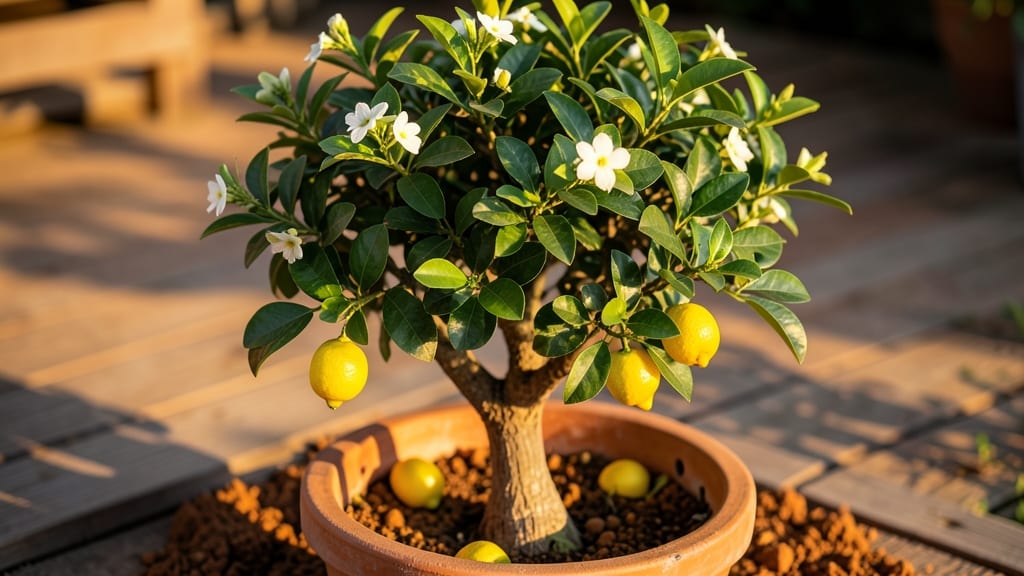
A dwarf lemon tree size ranges from 3 to 8 feet at maturity, making it the perfect citrus for small spaces—whether you're growing it in a 5-gallon pot or a backyard nook.
Dreaming of fresh lemons but short on space? Dwarf lemon trees deliver big flavor in tiny packages—some stay under 4 feet tall while others reach modest 6-foot heights. But how do you choose the right size for your patio, balcony, or kitchen garden?
Variety matters more than you might think. The Meyer lemon, for example, typically tops out around 6 feet, while some Improved Meyer types stay under 5 feet. Container size also plays a role—smaller pots keep roots confined, which naturally limits height.
In this guide, I’ll break down the most compact varieties, how pruning affects size, and the best container options for keeping your dwarf lemon tree manageable and productive—no matter how limited your space.


How tall do dwarf lemon trees grow? Mature heights by variety
If you’re dreaming of a lemon tree that fits your patio or balcony, you’ll love that dwarf lemon trees stay compact while still producing abundant fruit. But not all dwarfs are created equal—some varieties mature at 4 feet tall, while others reach 6-8 feet.
The right choice depends on your space and care goals. Let’s explore the most popular dwarf lemon varieties and their mature sizes to help you pick the perfect fit for your garden.
When selecting a dwarf lemon tree, consider both height and spread. A tree that’s 5 feet tall might need 4 feet of canopy width, while others stay tighter. Container-grown trees often stay smaller than in-ground plants, but proper pruning and spacing are key to keeping them manageable.
Whether you’re growing in a 5-gallon pot or a 15-gallon barrel, knowing these details ensures your tree thrives without outgrowing its home.
Meyer lemon trees are the most popular dwarf variety, often reaching 6-8 feet tall with a spread of 4-6 feet. Their sweet, flavorful fruit makes them a favorite, but their size means they need regular pruning to stay patio-friendly. Meanwhile, Improved Meyer lemons are a hardier, slightly smaller version, ideal for colder climates. Let’s compare the top dwarf varieties in detail to help you choose the best fit for your space.
The Meyer lemon tree is the most popular choice for home growers, thanks to its sweet, flavorful fruit and adaptability. At 6-8 feet tall, it’s perfect for patios or large containers but may need pruning to stay smaller.
If you’re in a colder climate (USDA Zone 7-10), the Improved Meyer lemon is a hardier option, reaching 5-7 feet tall with a more compact spread. This variety is also great for smaller containers (10-15 gallons), making it ideal for balconies.
For those who prefer classic lemon flavor, the Dwarf Eureka lemon is a top pick. It grows to 6-8 feet tall and produces abundant, tart lemons, but it needs more space—at least 20 gallons in a container or in-ground planting.
If you’re working with limited space, the Dwarf Lisbon lemon is your best bet. This variety stays 5-7 feet tall with a 3-4 foot spread, making it perfect for 5-10 gallon pots or small gardens.
When planting in containers, always choose a pot that’s at least 20% larger than the tree’s root ball to prevent root binding. For in-ground planting, space dwarf lemon trees 8-10 feet apart to allow airflow and sunlight penetration.
Proper spacing reduces disease risk and ensures healthy growth. If you’re growing in a greenhouse or indoor setting, opt for the Dwarf Lisbon or Improved Meyer
Best dwarf lemon tree sizes for containers: what to choose based on space
Choosing the right dwarf lemon tree size for your container depends entirely on your available space. A 5-gallon pot might work for a tiny balcony, while a 25-gallon planter gives your tree room to thrive on a patio or deck.
For urban balconies, even the smallest varieties can produce abundant fruit with proper care. Let’s match your space to the perfect dwarf lemon tree.
Most container-grown dwarf lemon trees top out between 4 and 6 feet tall, making them ideal for patios, greenhouses, and even bright indoor spaces. The key is selecting a variety that fits your container’s volume while allowing room for root growth.
A 15-gallon barrel suits medium-sized trees, while 25+ gallon planters accommodate larger dwarf varieties with confidence.
Here’s how to pair your space with the perfect dwarf lemon tree size:
For urban balconies, the Meyer Lemon in a 5-gallon pot is my top pick—it’s hardy, productive, and stays compact enough for even the smallest spaces. Just ensure your container has drainage holes and use a well-draining citrus mix to prevent root rot.
If you’re growing indoors near a south-facing window, this variety thrives with 6+ hours of sunlight daily.
If you have a greenhouse or sunroom, opt for the Improved Meyer Lemon in a 15-gallon barrel. This size gives your tree room to grow while keeping it manageable for pruning and harvesting. The extra space also allows for better root development, which translates to more lemons.
For outdoor patios, the Ponderosa Lemon in a 25-gallon planter is a fantastic choice—its larger size supports bigger fruit and heavier branches.
Remember, container size matters. A 5-gallon pot limits your tree to 3-4 feet tall, while a 25-gallon planter can handle a 6-foot dwarf lemon tree with ease. Always choose a container that’s at least 2-3 inches larger in diameter than your tree’s root ball to avoid stunted growth.
With the right size and care, your dwarf lemon tree will reward you with abundant lemons year after year—no matter how small your space! 🍋