
Pruning
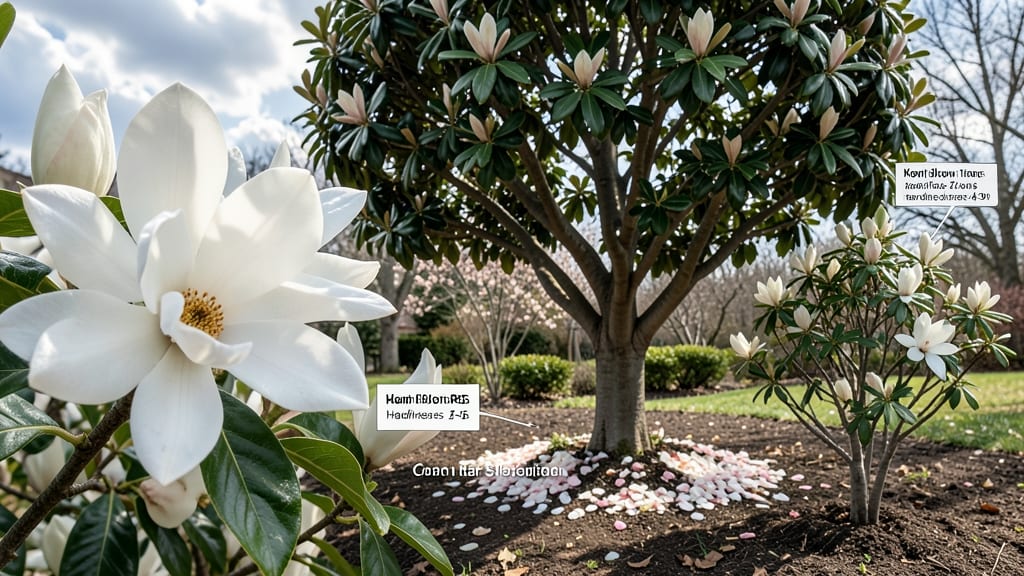
The Royal Star magnolia tree presents clear pros and cons for homeowners, offering showstopping white blooms and fragrance but requiring significant space, patience, and maintenance.
The Royal Star magnolia delivers breathtaking 6-inch white blooms with a sweet, intoxicating fragrance that can perfume an entire yard during its late spring to early summer bloom season. 🌸 However, their 20-30 foot mature height and 15-25 foot spread demand careful space planning—ideal for large properties but potentially overwhelming for smaller urban lots.
The tree's slow growth rate (about 12 inches per year) means you'll wait a decade or more for full impact, while their high moisture needs and full sun requirements (6+ hours daily) add maintenance demands that may not suit busy gardeners.
What makes this variety particularly challenging is its vulnerability to pests like scale insects and fungal diseases such as powdery mildew, which thrive in humid conditions. While their disease resistance is better than some magnolia varieties, proactive care—including regular pruning to improve airflow and mulching to retain moisture—becomes essential.
The trade-off? Their stunning visual impact and long lifespan (often exceeding 50 years) make them worthwhile for those willing to invest the time and space.
💡 In This Article
- Royal Star Magnolia Tree Growth Characteristics and Care Requirements
- Best Landscaping Uses and Space Planning for Royal Star Magnolias
Royal Star magnolia tree growth characteristics and care requirements
The Royal Star magnolia's growth pattern is what makes it both a showstopper and a challenge. This deciduous tree typically reaches 20-30 feet tall with an equally expansive 15-25 foot spread, creating a broad canopy that provides year-round interest.
The key growth mechanism involves its slow but steady annual increase of 12-24 inches, which means gardeners must plan for a 10-15 year investment before enjoying its full grandeur. Unlike fast-growing trees, this deliberate pace allows for careful landscape integration but requires patience from homeowners.
Sunlight requirements are non-negotiable for Royal Stars, needing 6+ hours of direct sun daily to trigger optimal bloom production. The tree's leaves contain chlorophyll that converts sunlight into energy through photosynthesis, but insufficient light leads to sparse flowering and weakened structural integrity.
The ideal soil mix is well-draining, slightly acidic (pH 5.0-6.5), and rich in organic matter. In my experience, amending clay soils with 3-4 inches of compost improves drainage while retaining moisture—critical since Royal Stars hate soggy roots but also can't tolerate drought once established.
Seasonal care becomes a balancing act between hydration and disease prevention. During the first 2-3 years, deep watering 2-3 times per week establishes strong root systems, while mature trees need 1-2 inches of water weekly during dry spells.
Mulching with 3-4 inches of wood chips helps retain moisture and regulate soil temperature, but must be kept 6 inches away from the trunk to prevent rot. Pruning is best done immediately after flowering to avoid removing next year's bloom buds, which form in late summer.
Disease resistance varies by growing conditions—Royal Stars are more prone to powdery mildew in humid climates (like the Southeast) and bacterial leaf spot when overhead watering creates prolonged leaf wetness. The tree's thick, glossy leaves create a microclimate that traps moisture, creating perfect conditions for fungal spores to thrive.
Here's what actually happens: Spores land on leaves, germinate in 48-72 hours when humidity exceeds 75%, and spread via wind or splashing water. Regular fungicide applications in late spring can prevent outbreaks, but prevention starts with proper spacing for airflow.
Pest management focuses primarily on scale insects, which insert their proboscis into stems and leaves to extract sap, leaving behind a sticky residue called honeydew that attracts sooty mold. These pests thrive in crowded plantings where natural predators like ladybugs can't access them.
A horticultural oil spray applied in early spring before buds break disrupts their life cycle without harming beneficial insects. What most people don't realize is that Royal Stars are also vulnerable to Japanese beetles, which can defoliate entire branches if left unchecked—early monitoring is key.
Consider these growth trade-offs when planning your landscape: While Royal Stars develop strong root systems that stabilize soil (reducing erosion), their extensive lateral roots can compete with nearby plants for water and nutrients within a 15-foot radius.
The tree's dense canopy creates 70-80% shade at maturity, which may require adjusting lawn care practices like reducing mowing frequency or selecting shade-tolerant ground covers. Their slow growth means you'll see minimal annual changes, but this also means they're less likely to outgrow their space unexpectedly.