
Trees
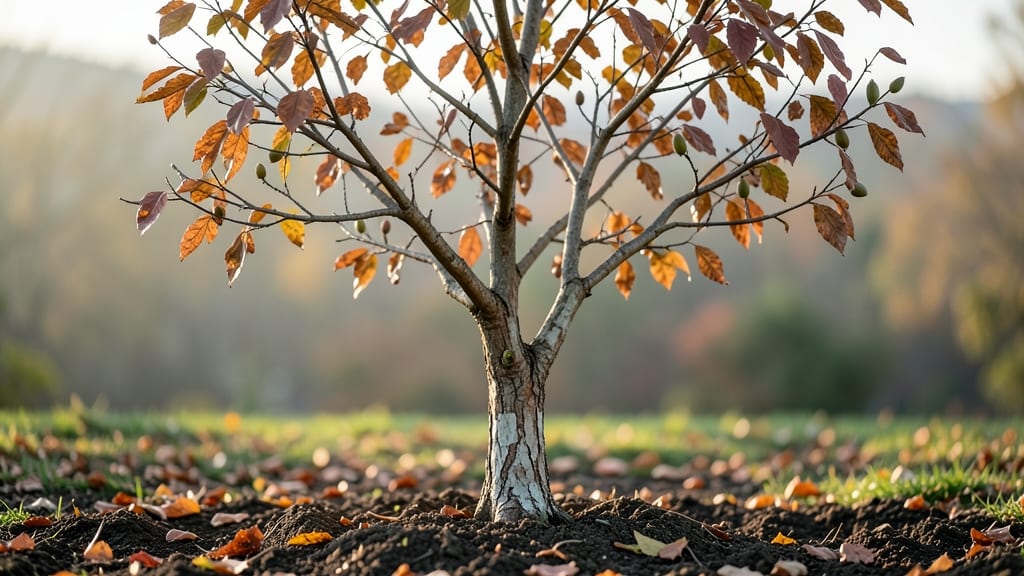
Your redbud tree’s brown leaves might be stealing its signature pink blooms—unless we fix this now. 🌿 The good news? Most cases are reversible with targeted care, and I’ve seen trees go from crispy to vibrant in just a few seasons.
The key is identifying whether it’s drought, pests, or something else entirely.
First, check the pattern: scattered brown spots? Likely fungal or pest damage. Uniform browning? Probably drought or poor drainage. I’ve fixed both by adjusting watering (deep soaks once a week) and adding mulch to lock in moisture.
If the problem’s in the soil, a simple soil test reveals what nutrients are missing—often magnesium or iron.
You’ll see new green growth within weeks of proper care, and those iconic spring blooms will return stronger. The secret is acting fast—before the issue spreads. For stubborn cases, a professional arborist can diagnose deeper problems like root rot or borers.
Prevention is easier than repair: water consistently, prune dead branches in late winter, and monitor for pests. With these steps, your redbud will stay lush and blooming for decades.
Root Causes Of Leaf Discoloration
Understanding why your redbud tree’s leaves turn brown is the first step to restoring its health—and its stunning spring blooms. These trees, known for their striking magenta flowers and heart-shaped leaves, are surprisingly resilient, but brown leaves signal stress.
Below, we break down the most common culprits, backed by science, so you can diagnose the issue accurately and take action.
Redbud trees thrive in well-draining soil and prefer moderate moisture, but their leaves turn brown when water balance tips in either direction.
- Overwatering: Soggy roots suffocate the tree, blocking oxygen and nutrients. Brown, mushy leaves (often starting at the edges) are a red flag.
Overwatering also invites root rot, a fungal infection that cuts off water transport. - Actionable fix: Let the top 2–3 inches of soil dry out between waterings. Improve drainage by amending clay soil with compost or sand.
If root rot is suspected, prune affected roots and treat with a fungicide (like copper-based solutions).
- Underwatering: Drought stress causes leaves to curl, crisp, and brown from the edges inward.
Redbuds are drought-tolerant once established, but prolonged dry spells (especially in containers) trigger distress. - Actionable fix: Water deeply 1–2 times per week during dry spells, aiming for 1–1.5 inches of water per week. Mulch around the base to retain moisture and regulate soil temperature.
- Temperature Extremes: Sudden cold snaps or heatwaves can shock redbud trees. Brown leaves after frost? It’s likely cold damage. Heat stress (above 90°F) causes leaf scorch, especially in young trees. - Actionable fix: Protect young trees with burlap wraps in winter.
In summer, provide afternoon shade with a light fabric shade cloth (30–50% coverage). Avoid late-season fertilizing, which encourages tender new growth vulnerable to frost.
Pests don’t just nibble—they inject toxins, disrupt nutrient flow, and leave behind a trail of brown, spotted, or skeletonized leaves. Common culprits include:
- Spider Mites: These tiny arachnids (not true insects) suck sap, causing stippled, yellow-brown leaves and fine webbing. They thrive in dry, hot conditions. - Actionable fix: Blast them off with a strong spray of water (early morning).
Use neem oil or insecticidal soap for severe infestations. Increase humidity with a mist system or mulch.
- Japanese Beetles: Adult beetles chew irregular patches in leaves, while larvae (grubs) feed on roots, weakening the tree. Look for skeletonized leaves (veins remain) and brown frass (feces) on foliage. - Actionable fix: Handpick beetles into soapy water.
Apply milky spore powder (organic) or pyrethrin-based sprays early in the season. Trap beetles with red bucket traps (but place them away from the tree to avoid luring more).
- Scale Insects: These armored pests secrete honeydew (sticky residue), attracting sooty mold—a black fungal growth that blocks sunlight. Infested leaves turn yellow-brown and crinkled. - Actionable fix: Scrape off scales with a plastic scraper or dab with rubbing alcohol-soaked cotton.
Treat with horticultural oil in dormant season (fall/winter) or systemic insecticides like imidacloprid.
Fungi love moist, warm conditions and exploit stressed trees. Brown leaves with spots, powdery coatings, or unusual patterns often signal a fungal foe.
- Powdery Mildew: A white, powdery film on leaves that turns brown and crispy. It thrives in shady, humid areas and spreads via wind or splashing water. - Actionable fix: Improve airflow with pruning and space plants 3–5 feet apart.
Apply baking soda spray (1 tsp baking soda + 1 quart water + a drop of soap) or neem oil weekly until symptoms fade.
- Anthracnose: Dark, sunken spots with yellow halos on leaves. This fungal disease attacks in cool, wet springs, causing premature leaf drop.
- Actionable fix: Remove and destroy infected leaves (don’t compost). Apply copper fungicide in early spring before buds swell. Avoid overhead watering.
- Leaf Spot Diseases: General term for brown spots with concentric rings (often caused by Cercospora or Septoria fungi). Leaves may drop early, weakening the tree. - Actionable fix: Clean up fallen leaves in fall.
Water at soil level (not overhead) and prune for better airflow. Use fungicidal sprays (like chlorothalonil) preventatively in spring.
Brown leaves can be a cry for help—your redbud might be malnourished or imbalanced. Soil tests reveal the truth, but here’s a quick guide:
| Symptom | Likely Deficiency | Quick Fix |
|---|---|---|
| Yellowing between veins (chlorosis) | Iron (Fe) or Magnesium (Mg) | Apply chelated iron (for Fe) or Epsom salt (1 tbsp/gal water for Mg). |
| Purple-tinged leaves | Phosphorus (P) | Use a balanced fertilizer (10-10-10) in early spring. |
| Brown leaf edges | Potassium (K) or Calcium (Ca) | Apply potassium sulfate or lime (for Ca) if soil is acidic. |
| Slow growth + weak branches | Nitrogen (N) | Top-dress with compost or use a slow-release nitrogen fertilizer. |
- Pro Tip: Soil pH matters! Redbuds prefer slightly acidic to neutral soil (pH 6.0–7.5). Test your soil—amend with lime (to raise pH) or sulfur (to lower pH) as needed.
Sometimes, brown leaves aren’t a disease or pest—they’re trauma-related.
- Mechanical Injury: Hail, strong winds, or even lawnmower blades can tear leaves, leading to browning at the damage site. New growth may appear stunted.
- Actionable fix: Prune damaged branches with sterilized shears to encourage new growth. Protect young trees with tree wraps during storm season.
- Chemical Burn: Over-fertilizing (especially with salt-heavy fertilizers) or spraying herbicides near the tree can scorch leaves, turning them brown and brittle.
- Actionable fix: Flush the soil with water if recent fertilizer use is suspected. Use organic, slow-release fertilizers and avoid spraying near leaves.
- Improper Pruning: Cutting too late in the season (after June) or making ragged cuts stresses the tree, leading to browning.
- Actionable fix: Prune in late winter/early spring (before buds swell). Use sharp, clean tools and make cuts just outside the branch collar.
Revitalize Your Redbud’s Foliage
If your redbud tree’s leaves are turning brown, don’t panic—most issues are fixable with the right approach! Below, we’ve mapped out targeted solutions for common causes, from environmental stressors to pests, along with preventive tips to keep your tree thriving. Follow these steps to restore your redbud’s vibrant green leaves and stunning spring blooms.
1. Watering Issues: Too Much or Too Little
Redbud trees are drought-tolerant but still need consistent moisture, especially during dry spells. Brown, crispy leaves often signal underwatering, while yellowing or wilting can mean overwatering.
🔥 How to Fix It: - 💧 Check soil moisture by inserting your finger 2–3 inches deep. If dry, water deeply (1–2 inches per week) at the tree’s base.
Use a soaker hose or drip irrigation to avoid wetting leaves, which can encourage fungus. - 🌧️ Mulch properly: Apply 2–3 inches of organic mulch (like wood chips) around the base, keeping it 6 inches away from the trunk to retain moisture and regulate soil temperature. - ⏰ Water in the morning to reduce evaporation and fungal risks.
💡 Prevention Tip: Install a rain gauge near your tree to monitor natural rainfall. Redbuds typically need supplemental watering only during prolonged dry periods (no rain for 2+ weeks).
2. Sunburn or Heat Stress
Sudden brown patches on leaves exposed to intense afternoon sun (especially after transplanting) can indicate sun scorch. Young trees or those in hot, dry climates are most vulnerable.
🔥 How to Fix It:
- 🌿 Provide afternoon shade temporarily with a light shade cloth (30–50% coverage) or move potted redbuds to a slightly shadier spot.
- 💦 Increase humidity around the tree by misting leaves in extreme heat (early morning or late evening only).
- 🌱 Gradually acclimate newly planted trees by exposing them to 2–3 hours more sun each week over 2–3 weeks.
💡 Prevention Tip: Plant redbuds in partial shade (4–6 hours of sunlight) if you live in a hot, dry climate. Mature trees handle full sun better, but young ones need protection.
3. Nutrient Deficiencies
Brown, brittle leaves with yellow veins or stunted growth may signal nutrient deficiencies, often iron, nitrogen, or magnesium. Poor soil quality or compacted roots can worsen the issue.
🔥 How to Fix It: - 🌿 Test your soil (use a DIY kit or send a sample to a local extension service).
Redbuds prefer slightly acidic to neutral soil (pH 6.0–7.5). - 🍄 Apply organic amendments: - Iron deficiency? Sprinkle iron sulfate or chelated iron around the root zone in early spring. - Nitrogen deficiency? Use a balanced fertilizer (10-10-10) in early spring or compost/manure for slow-release nutrients. - Magnesium deficiency? Work Epsom salt (1 tbsp per gallon of water) into the soil or spray on leaves. - 🔄 Aerate compacted soil with a garden fork to improve root access to nutrients.
💡 Prevention Tip: Mulch annually with compost or aged manure to slowly enrich the soil over time. Avoid synthetic fertilizers, which can burn roots.
4. Spider Mites or Aphids
Tiny spider mites or aphids suck sap, causing brown, speckled leaves and sticky residue (honeydew). These pests thrive in dry, hot conditions.
🔥 How to Fix It: - 🚿 Blast off pests with a strong spray of water (early morning) to dislodge them. - 🌿 Use insecticidal soap (like neem oil soap)—spray under leaves where pests hide.
Reapply every 5–7 days for 2 weeks. - 🐛 Introduce beneficial insects: Ladybugs and lacewings eat aphids naturally. Purchase them from garden centers.
💡 Prevention Tip: Mulch with straw to retain moisture (mites hate humidity). Prune infested branches and dispose of them in sealed bags.
5. Fungal Infections (Anthracnose or Leaf Spot)
Brown spots with yellow halos, leaf drop, or black fungal growth on stems indicate anthracnose or leaf spot fungus, common in wet, humid conditions.
🔥 How to Fix It:
- 🍄 Prune infected branches (cut 6 inches below the damage) and dispose of them in the trash (not compost).
- 🌿 Apply fungicide: Use a copper-based fungicide or baking soda spray (1 tbsp baking soda + 1 tsp oil + 1 gallon water) every 10–14 days until new leaves emerge.
- 🌧️ Improve airflow: Thin out overcrowded branches and avoid overhead watering.
💡 Prevention Tip: Water at the base (not leaves) and avoid wetting foliage in late summer/fall when fungi spread fastest.
6. Root Rot (Overwatered or Poor Drainage)
If leaves turn brown and mushy while the soil stays soggy, your redbud may have root rot from poor drainage or overwatering. This is fatal if untreated.
🔥 How to Fix It:
- ⏰ Stop watering immediately and let the soil dry out.
- 🔄 Improve drainage:
- Dig a drainage trench around the tree (6 inches deep, 12 inches from the trunk).
- Mix sand or perlite into the top 6 inches of soil.
- 🌱 Consider transplanting if the root ball is waterlogged—relocate to well-draining soil (sandy loam works best).
💡 Prevention Tip: Plant redbuds on a slight slope to prevent water pooling. Avoid heavy clay soil unless amended with compost and sand.
Once your tree recovers, keep these habits to prevent future brown leaves:
- ✅ Mulch annually (2–3 inches of organic mulch).
- ✅ Water deeply but infrequently (1–2 inches per week).
- ✅ Prune in late winter to remove dead wood and improve airflow.
- ✅ Monitor for pests weekly during growing season.
- ✅ Test soil every 2–3 years and amend as needed.
With these science-backed fixes, your redbud should bounce back with lush green leaves and showstopping spring blooms in no time! 🌸🌿
Frequently asked questions about redbud tree leaf browning
Why do redbud tree leaves turn brown in late summer?
Late summer browning is often normal stress response as the tree prepares for dormancy. However, if leaves are crispy or dropping early, check for underwatering or heat stress. Water deeply 1-2 times per week and provide afternoon shade if temperatures exceed 90°F. Mulch helps regulate soil moisture.
Can brown leaves on a redbud tree be saved?
Most brown leaves can't be revived, but the tree can grow new ones. Focus on pruning dead branches (cut just outside the branch collar) and addressing the root cause—whether it's pests, disease, or environmental stress. With proper care, you'll see fresh green foliage within 4-6 weeks.
How do I tell if my redbud has spider mites or just drought stress?
Check for fine webbing on leaf undersides (mites) or crispy edges (drought). Mites cause speckled brown spots while drought stress turns leaves uniformly brown from the edges inward. Treat mites with neem oil; drought requires deep watering (1-2 inches per week) and mulching.
Is it safe to prune brown leaves from my redbud?
Yes, but do it properly! Use sterilized shears to cut 6 inches below browned areas to remove diseased tissue. Prune in late winter/early spring before new growth appears. Never prune when leaves are wet to prevent fungal spread.
Will my redbud bloom next spring if leaves are brown now?
Most likely! Redbuds store energy in their roots. As long as the root system is healthy, they'll produce flowers next spring. Focus on correcting current issues (water, nutrients, pests) and avoid fertilizing now—it stresses the tree before dormancy. Healthy roots = vibrant blooms!