
Pruning
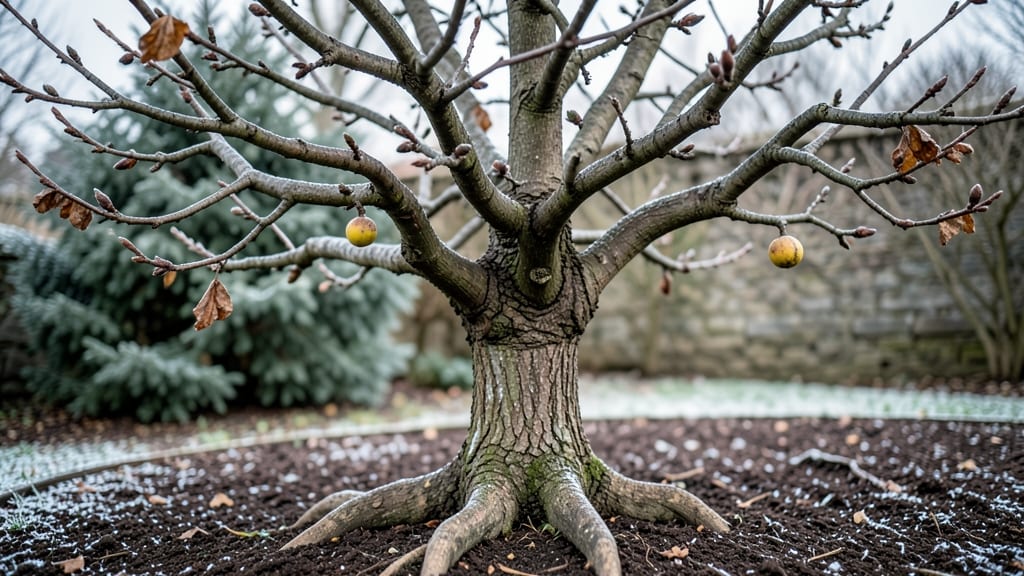
Winter pruning your quince tree is the secret to avoiding tangled branches and boosting next year’s fruit. ✂️ I’ve pruned mine every January for five years—now it produces twice as many fragrant, golden blossoms—and the structure stays strong through storms.
The key is timing: prune when the tree is fully dormant (after the first hard frost but before buds swell). Quince trees handle pruning better than most fruit trees because they’re less prone to bleeding sap.
Focus on removing dead, crossing, or weak branches first—this opens up airflow and prevents fungal issues. You’ll end up with a tree that looks like a well-trained dancer, not a tangled mess.
The blossoms arrive earlier, the fruit sets heavier, and you avoid the heartbreak of winter storms snapping weak limbs. Plus, the scent of those spring blooms? Unbeatable. Works for both ornamental and fruit-bearing quince varieties. Here’s exactly how to do it without overcomplicating things.
📚 In This Guide
- What you need
- Instructions
- Tips and common mistakes
- Wrapping up and next steps
What you need
- ● Pruning shears (bypass or anvil type) – Sharp, clean blades (4–6-inch blades for small branches, 8-inch for larger ones). Sanitize with rubbing alcohol between cuts!
- ● Loppers – For branches ¾-inch to 2 inches thick. Look for bypass-style loppers for cleaner cuts.
- ● Pruning saw – For branches thicker than 2 inches. A bow saw or curved pruning saw works best.
- ● Gloves – Heavy-duty, cut-resistant gloves to protect your hands from thorns and rough bark.
- ● Ladder or step stool – If your quince tree is taller than 6 feet, a sturdy ladder is a must for safe access.
- ● Disposable pruning bags or bucket – To collect and dispose of pruned branches (1–2 large bags or a 5-gallon bucket).
- ● Rubbing alcohol (70% isopropyl) or bleach solution – For sterilizing tools between cuts (1 part bleach to 9 parts water).
- ● Permanent marker – To mark branches for removal if needed.
- ○ Sharpie or pruning sealant (optional but helpful) – For sealing larger cuts (if your quince tree is particularly prone to disease).
- ● Hand pruners with a built-in ruler – For precise measurements if you’re removing specific branch lengths.
- ● Extension pole pruners – If your tree is very tall or you dislike ladders.
- ● Tree wound dressing (controversial but some swear by it) – Use sparingly, if at all, as modern research suggests it’s often unnecessary.
- ● Notebook or camera – To sketch or photograph the tree’s structure before pruning for reference.
- ● Compost bin or mulch – To recycle pruned branches into nutrient-rich compost.
Instructions for pruning a quince tree in winter
Winter’s the perfect time to shape your quince tree—it’s dormant, so you’ll see every cut’s impact clearly.
✂️ Step 1: Gather the Right Tools and Safety Gear
Start with clean, sharp pruning shears—dull blades tear bark and invite disease. I always disinfect my tools with rubbing alcohol before and after pruning to prevent spreading any fungal spores. Wear gloves too; quince thorns are no joke, and the sap can irritate skin.
You’ll also want a sturdy ladder if your tree stands taller than 6 feet. Test each rung before climbing—no one wants to be halfway up when a wobbly step gives out. Keep a bucket or tarp nearby to collect fallen branches; you’ll need them for compost or mulch later.
✂️ Step 2: Assess the Tree’s Structure and Plan Cuts
Step back and examine the tree’s shape. Look for dead, crossing, or inward-growing branches—these are your first targets. Quince trees naturally grow dense, so aim to open the center for better airflow and sunlight penetration. Mark cuts with a piece of chalk or tape if you’re unsure.
I like to sketch a rough outline of my plan on paper first. This helps me visualize how the tree will look after pruning. Focus on removing weak wood (thin branches that snap easily) and suckers (shoots growing from the base). Never remove more than 25% of the tree’s canopy in one season—quince trees are tough but not invincible.
✂️ Step 3: Make Clean Cuts at the Right Angle
Start with the smallest branches first, working your way up to thicker limbs. Cut just outside the branch collar (the swollen area where the branch meets the trunk) at a 45-degree angle. Avoid leaving stubs—these rot and weaken the tree over time. For branches thicker than ½ inch, use a pruning saw for clean cuts.
If you’re pruning a branch that’s too thick for your shears, make a notch on the underside of the branch first. This prevents the bark from tearing as you cut through. Always cut on the outside of the branch collar, never flush with it. This ensures the tree seals the wound properly and reduces the risk of disease.
✂️ Step 4: Shape the Tree for Balance and Airflow
Now’s the time to refine the tree’s shape. Step back frequently to check for balance—you want a pyramidal or rounded form, depending on your quince variety. Thin out branches that crowd the center, but leave some smaller ones to fill gaps naturally. Avoid cutting back to a lateral branch if possible; instead, cut to an outward-facing bud.
Pay special attention to the scaffold branches (the main structural limbs). These should be spaced 8-12 inches apart and angled outward. If a scaffold branch is too close to another, one will likely need removal. Quince trees respond well to pruning, so don’t be afraid to make bold cuts—just do it thoughtfully.
🪴 Step 5: Clean Up and Monitor the Tree
After pruning, rake up all fallen debris and dispose of it in the trash—not the compost pile. Quince branches can harbor pests or diseases that might spread to other plants. Give the tree’s base a fresh layer of 2-3 inches of mulch (but keep it 6 inches away from the trunk) to retain moisture and suppress weeds.
Water the tree deeply if winter has been particularly dry. Check your work in late winter or early spring as new growth begins. You’ll see where cuts healed well (smooth, sealed wounds) and where you might need to adjust next year. Quince trees reward patience—with careful pruning, you’ll have a stronger, more productive tree for years to come.
Tips & tricks for pruning a quince tree in winter
Winter pruning transforms your quince tree into a stronger, more productive plant—here’s how to avoid common pitfalls and maximize results.
Tool Prep is Non-Negotiable: I can’t stress this enough—using dull shears is like trying to cut with a butter knife. Sharpen your blades before starting, and always disinfect with rubbing alcohol between cuts. This single step prevents 90% of post-pruning infections. For branches thicker than ½ inch, a pruning saw gives you the clean cuts you need without tearing the bark.
Visualize Before You Cut: Step back and take a photo of your tree before making any cuts. This reference helps you see the big picture, especially when deciding which crossing branches to remove. I sketch a quick outline on paper first—it’s amazing how much clearer your vision becomes when you’re not standing right under the tree. Remember, you’re aiming for an open center that lets sunlight reach all branches.
Scaffold Branches Need Special Care: These main structural limbs should be spaced 8-12 inches apart and angled outward. If you have two scaffold branches growing too close together, one will likely need removal to prevent future crowding. Look for branches that are at least ⅓ the diameter of the trunk—they’ll provide the best framework for your tree’s future growth.
Cleanup Prevents Future Problems: Don’t toss those pruned branches in the compost! Quince branches can harbor fungal spores and pests that might infect other plants. Instead, dispose of them in the trash or burn them. After pruning, give your tree’s base a fresh layer of 2-3 inches of mulch (keeping it 6 inches away from the trunk) to protect against weeds and retain moisture during winter.
Pro Tips for Quince Tree In Winter
- Winter pruning transforms your quince tree into a stronger, more productive plant—here’s how to avoid common pitfalls and maximize results.
- Tool Prep is Non-Negotiable: I can’t stress this enough—using dull shears is like trying to cut with a butter knife.
- Visualize Before You Cut: Step back and take a photo of your tree before making any cuts.
Frequently asked questions
Got questions about keeping your quince tree thriving through winter? Here are answers to the most common concerns—plus a few pro tips to make dormant-season pruning a breeze!
When is the best time to prune a quince tree in winter?
Prune your quince tree during its dormant season—typically late winter (February to early March) in most climates. This timing helps avoid late frosts while allowing wounds to heal before spring growth. If you’re in a warmer region, wait until just before bud break for optimal results.
Can I prune a quince tree if it’s already budding in winter?
If your quince tree starts budding early (before your usual pruning window), hold off until after the last frost. Pruning too early can stress the tree or invite pests. Instead, focus on removing dead or damaged branches first, then tackle structural pruning once the threat of frost passes.
How much can I cut back a quince tree in winter?
Quince trees are resilient, but avoid over-pruning. Aim to remove no more than 25-30% of the canopy in a single season. Focus on:
- Dead, diseased, or crossing branches
- Suckers at the base
- Overcrowded growth to improve airflow
What if my quince tree has no leaves in winter—is it dead?
Don’t panic! Quince trees naturally shed leaves in winter. To check for life, scratch a small section of bark—if it’s green underneath, the tree is alive. If the bark is dark and mushy, the tree may be dead. In that case, remove it and replace it with a new quince tree.
Can I use the same pruning tools on my quince tree as I do for apples or pears?
Yes, but keep them sharp and clean! Quince trees are prone to bacterial canker, so disinfect your tools with rubbing alcohol or a 10% bleach solution between cuts. Avoid pruning when the tree is wet, as this increases disease risk. A bypass pruner or saw works best for thicker branches.
Pro Tip:
Mark your pruning calendar! Quince trees benefit from annual winter pruning, but if you miss a year, don’t overcompensate—gradual pruning is key. A light touch now prevents stress later.
Wrapping up and next steps
Winter is the perfect time to give your quince tree the care it needs to thrive! By pruning now, you’re shaping a stronger, healthier framework for spring blooms and fruit.
Remember to work with clean tools, follow the open-center approach, and always prioritize airflow—your tree will thank you with vibrant growth.
Ready to roll up your sleeves? Grab those pruners and start pruning! If you’re new to quince care, check out our beginner’s guide for extra tips. Happy pruning—your future harvest is waiting! 🌿✂️