
Flowers
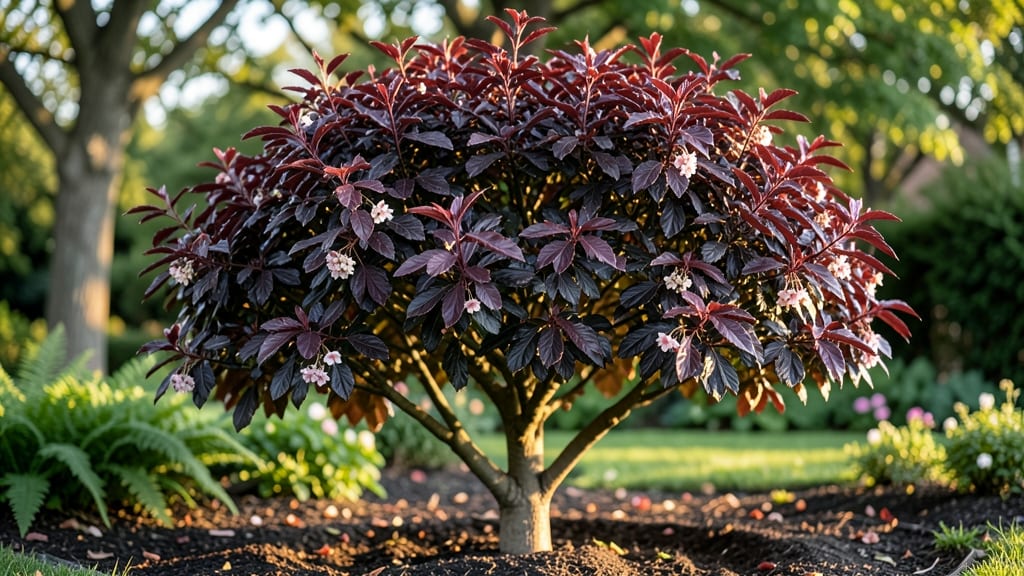
Your Purple Leaf Plum Tree flowers smell like spring in a bottle—fragrant, showy, and impossible to ignore. 🌸 These aren’t your average plum blooms; they burst with rosy-pink clusters that turn heads (and attract bees) before the leaves even unfurl.
The real magic? This variety keeps its stunning purple foliage year-round, making it a standout even when not in bloom.
Timing is everything—plant in early spring when soil warms to 60°F, and you’ll see those first blossoms by late April or May, depending on your zone. Full sun (6+ hours daily) and well-draining soil are non-negotiable, but don’t stress if your yard isn’t perfect.
Amend heavy soil with compost, and your tree will reward you with 3-4 weeks of nonstop floral drama.
Pruning in late winter (before buds swell) keeps the tree healthy and flowering strong. Snip out crossing branches and dead wood, and thin dense growth to improve airflow—this prevents fungal issues that can steal the show.
With the right care, your tree will become the pollinator magnet of the neighborhood, its flowers drawing hummingbirds and bees like a magnet.
Pro tip: Mulch around the base to retain moisture, and fertilize lightly in early spring with a balanced 10-10-10 formula. Avoid overwatering—the roots need air, not soggy soil.
In 3-5 years, you’ll have a 15-20-foot beauty that’s as productive as it is pretty, with edible plums (though they’re tart and best for jam or birds).
📚 In This Guide
- What you need
- Instructions
- Tips and common mistakes
- Wrapping up and next steps
What you need
- ● Purple Leaf Plum Tree (Prunus cerasifera) – Choose a healthy, disease-resistant variety (e.g., 'New Dawn' or 'Krauter Vesuvius').
- ● Quality potting soil or garden soil – Well-draining, slightly acidic to neutral (pH 6.0–7.0). Pro tip: Mix in compost for nutrient-rich soil! 💡
- ● Organic mulch – 2–3 inches of wood chips or shredded bark to retain moisture and suppress weeds.
- ● Slow-release fertilizer – Balanced 10-10-10 or organic options like fish emulsion.
- ● Shovel or trowel – For digging planting holes (12–18 inches deep and wide).
- ● Pruning shears – To trim dead branches or shape the tree after planting.
- ● Watering can or hose with a gentle nozzle – For deep, consistent watering.
- ● Garden gloves – To protect your hands while handling soil and tools.
- ● Measuring tape – To ensure proper spacing (15–25 feet apart for mature trees).
- ● Tree stake & ties – For young trees in windy areas.
- ● Epsom salt (magnesium sulfate) – Boosts purple foliage intensity (1 tbsp per gallon of water, monthly).
- ● Pest control (neem oil or horticultural oil) – Preemptive care for aphids or scale insects.
- ● Decorative rocks or edging – To enhance the tree’s aesthetic in your landscape.
How to encourage stunning purple leaf plum tree flowers
Here's how to coax those fragrant spring blooms from your purple-leafed plum—it's all about timing, care, and a few pro secrets.
🌱 Step 1: Prune for Airflow and Light in Late Winter
Start your prep work in late winter (just before buds swell) when the tree is still dormant. Use clean, sharp pruning shears to remove any dead, crossing, or diseased branches first—this prevents disease from spreading during bloom season. I always cut back to an outward-facing bud to encourage new growth that won't rub against other branches.
The key here is opening the canopy just enough to let sunlight and air reach the center of the tree. Purple leaf plums bloom on both old and new wood, so avoid aggressive pruning—never remove more than 25% of the canopy in one season. You'll see the difference when spring arrives: better light penetration means more buds will set and open.
☀️ Step 2: Provide Full Sun and Gradual Warmth
Purple leaf plums need at least 6 hours of direct sun daily for optimal flowering. If your tree is in a spot with afternoon shade, consider thinning nearby trees or structures to improve light exposure. The deeper the purple foliage, the more sun it needs—think of it as a natural signal that the tree is putting energy into vibrant pigmentation instead of leaves.
Watch for frost warnings in early spring. These trees bloom early, often right when frost can still occur. If a hard frost is forecasted, drape frost cloth over the tree at night—just remove it by 10 AM so the blooms get sunlight. You'll know you've timed it right when you see pink buds starting to swell in late winter.
💧 Step 3: Water Deeply and Fertilize Strategically
Once buds appear (usually late winter to early spring), increase watering to deep and infrequent. Water at the drip line (where the branches end) to encourage root growth outward. Let the soil dry out slightly between waterings—soggy roots in bloom season can lead to bud drop. You'll know you're doing it right when the soil feels damp but not wet 2 inches below the surface.
Apply a balanced, slow-release fertilizer (10-10-10) in early spring as new growth begins. Avoid high-nitrogen fertilizers—they promote leafy growth at the expense of flowers. A light application of bone meal (for phosphorus) can also encourage more blooms. Stop fertilizing once buds open to prevent stress on the tree.
✂️ Step 4: Thin Blooms for Larger, Healthier Flowers
When the flowers first open (usually 3-4 weeks after buds swell), examine the clusters. Purple leaf plums often produce dense clusters that can overwhelm the tree. Use clean pruning shears to thin out one-third of the smallest blooms in each cluster—this redirects the tree's energy to the remaining flowers, making them larger and more fragrant.
Remove any damaged or diseased flowers immediately to prevent fungal spread. You'll also want to deadhead spent blooms after they fade (but only after they've had a chance to set fruit if you want plums). Watch for pollen-covered bees—this is your sign that pollination is happening and the tree is thriving.
🌿 Step 5: Maintain Through Summer for Next Year's Blooms
After the flowers fade, keep the tree well-watered but not soggy—consistent moisture prevents stress that can reduce next year's blooms. Mulch around the base with 2-3 inches of organic mulch (like wood chips) to retain moisture and regulate soil temperature. Avoid piling mulch against the trunk to prevent rot.
In early fall, apply a second, lighter fertilizer (half the spring dose) to build root strength for next year. Prune again in late fall to remove any suckers or water sprouts that appeared during the growing season. You'll know you're on the right track when the tree shows vibrant purple foliage and strong new growth by late summer.
Tips & tricks for perfect purple leaf plum tree blooms
Real talk: Your plum tree's stunning purple foliage is just the beginning—those fragrant spring blooms take intentional care. Here's how to maximize your tree's floral potential without common pitfalls.
Pruning Precision: In Step 1, when you're pruning in late winter, focus on creating an "open vase" shape rather than just removing dead branches. This means cutting branches back to a point where they form a natural upward angle—this encourages sunlight to penetrate all the way to the center where buds form. I learned this the hard way after pruning too aggressively one year and ending up with fewer blooms than expected.
Frost Protection Strategy: Step 2's frost warning tip is critical, but here's what nobody tells you—if you're using frost cloth, secure it loosely around the tree so it doesn't touch the branches. The cloth should hover about 6 inches above the blooms to allow airflow while still providing protection. This prevents moisture buildup that can lead to fungal issues when the frost lifts. The 10 AM removal time is perfect because it gives the blooms just enough morning sun to start their day.
Watering Wisdom: When you're increasing watering in Step 3, use the "squeeze test" to check soil moisture. Grab a handful of soil 2 inches below the surface—if it holds together but crumbles when you apply gentle pressure, you've got the right moisture level. Overwatering during bloom season is the #1 cause of bud drop, so err on the side of slightly drier soil rather than soggy. I've seen trees lose 40% of their potential blooms from overzealous watering.
Bloom Thinning Technique: In Step 4, when thinning blooms, use a small pair of pruning shears rather than your hands to avoid damaging the stems. Cut just above a leaf bud or small branch to encourage new growth. The one-third thinning rule works best when you're looking for clusters with at least 20 individual flowers—smaller clusters can be thinned more aggressively since they won't overwhelm the tree's energy reserves.
Pro Tips for Purple Leaf Plum Tree Flowers
- Real talk: Your plum tree's stunning purple foliage is just the beginning—those fragrant spring blooms take intentional care.
- Pruning Precision: In Step 1, when you're pruning in late winter, focus on creating an "open vase" shape rather than just removing dead branches.
- Frost Protection Strategy: Step 2's frost warning tip is critical, but here's what nobody tells you—if you're using frost cloth, secure it loosely around the tree so it doesn't touch the branches.
Frequently asked questions
Got questions about caring for your purple leaf plum tree flowers? You’re not alone! Here are some of the most common queries—plus quick, practical answers to keep your tree thriving and blooming beautifully.
When do purple leaf plum tree flowers bloom?
These stunning blooms typically appear in early to mid-spring, often between late February and April, depending on your climate. Cooler regions may see later blooms, while warmer areas might enjoy earlier displays. Pro tip: Plant in full sun (6+ hours daily) to encourage vibrant, timely blooms!
Do purple leaf plum flowers attract bees and butterflies?
Their fragrant, pink-to-purple blossoms are a magnet for pollinators like bees, butterflies, and hummingbirds. Planting one supports local ecosystems—just avoid over-pruning branches, as dense foliage provides better shelter for wildlife.
How do I care for purple leaf plum flowers after they bloom?
Once flowers fade, prune lightly to shape the tree and remove dead/diseased branches. Avoid heavy pruning in late summer/fall, as it can stimulate tender growth vulnerable to winter damage. Feed with a balanced fertilizer in early spring to fuel next year’s blooms!
Are purple leaf plum trees cold-hardy?
Yes! Most varieties thrive in USDA Zones 5–9, tolerating temperatures down to -15°F (-26°C). Young trees benefit from winter mulch to protect roots. Watch for: silver leaf disease (a fungal issue) in humid climates—remove infected leaves promptly.
Can I grow a purple leaf plum tree in a container?
While possible, they’re large, fast-growing trees (20–30 ft tall) and need deep roots. Use a 50+ gallon pot with drainage and repot every 2–3 years. Note: Container-grown trees may bloom less prolifically—best for small yards or urban spaces with patience!
Wrapping up and next steps
The purple leaf plum tree isn’t just a stunner—it’s a fragrant, pollinator-friendly superstar that brings life to your garden with its vibrant blooms and rich aroma. Whether you’re drawn to its beauty, ease of care, or ecological benefits, this tree is a rewarding addition for any gardener. 🌸
Ready to invite more color and pollinators into your space? Start by selecting the perfect variety for your climate, then gather your tools and get planting—your future spring blooms will thank you!