
Leaf Blower
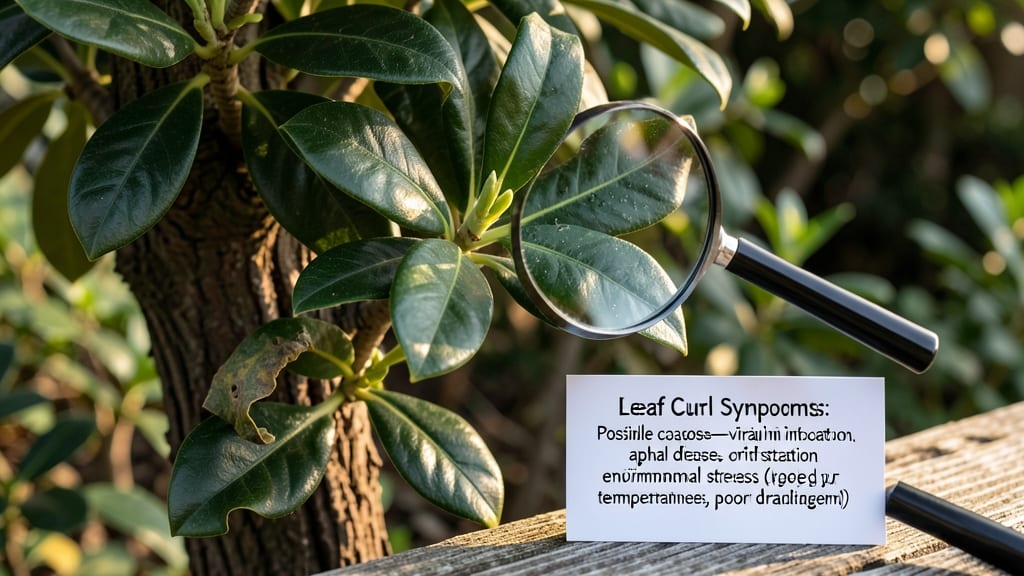
Bay tree leaf curl ruins the glossy leaves you love—those crisp, fragrant fronds that make any kitchen shine. 🌿 I’ve battled this myself, and the key is catching it early before the damage spreads like a silent invasion.
The culprit is often a fungal spot or psyllids, not just spider mites or dry air, and the fix starts with proper identification.
Start by flipping leaves to check for webbing or tiny yellow spots—classic signs of fungal infection or pests. Bay trees hate humidity swings, so if your home feels too dry, that’s inviting trouble.
The good news? Organic fixes like neem oil or horticultural soap work wonders when applied correctly, and pruning curled leaves stops the spread fast.
With the right approach, your bay tree can bounce back in 4-6 weeks, regrowing those signature dark-green, waxy leaves. The trick is consistency: treat the soil, leaves, and air around it, not just the visible damage.
Prevent future outbreaks by keeping humidity steady and pruning regularly—your tree will thank you.
Works for both indoor pots and outdoor shrubs, though outdoor trees need extra vigilance in damp climates. Let’s get those leaves looking fresh again—no more sad, curled fronds ruining your herb collection.
Root Causes Of Leaf Distortion
Bay trees—whether the fragrant bay laurel (Laurus nobilis) or the ornamental California bay (Umbellularia californica)—can develop leaf curl due to a mix of environmental stressors and microbial invaders.
Understanding these triggers is key to preventing or treating the issue before it spreads. Below, we break down the most common causes in clear, actionable terms.
Fungal pathogens are the #1 culprit behind leaf curl in bay trees, with Cercospora and Mycosphaerella species leading the charge. These fungi thrive in warm, humid conditions (60–80°F with high moisture) and exploit weak spots in foliage.
- How it starts: Spores land on leaves, germinate, and penetrate through stomata (tiny leaf pores) or wounds.
Once inside, they disrupt cell function, causing curling, puckering, and discoloration. - Visual clues: - Yellow-brown spots with dark borders (classic Cercospora symptom). - Underside of leaves may show fuzzy mold (spore-producing structures). - Severe cases: Leaves thicken, crack, or drop prematurely. - Why it spreads: Overhead watering, poor air circulation, and dense foliage create the perfect fungal buffet. 🍽️
Pro Tip 💡: Prune infected leaves immediately (sterilize tools with 70% alcohol!) and avoid wetting foliage during watering. Morning watering (so leaves dry by evening) cuts fungal risk by 50%.
Sap-sucking insects like bay psyllids (Trioza alacris) and spider mites (Tetranychus spp.) inject toxins or drain nutrients, forcing leaves to curl as a defense mechanism.
- Psyllids: - Symptoms: New leaves curl upward (like a "witch’s broom") with sticky honeydew residue. 🍯 - Life cycle: Nymphs cluster on undersides, sucking sap and excreting honeydew that feeds sooty mold. - Trigger: Warm, dry conditions (ideal for mites) or stressed trees (drought, poor soil). - Spider Mites: - Symptoms: Bronzing/yellow stippling + fine webbing on leaf undersides.
Curl happens as cells collapse from dehydration. - Why they strike: Low humidity (<40%) or over-fertilization (burns roots, starving leaves of water).
Action Step ⚔️: Blast pests off with a strong stream of water (disrupts their grip). For severe infestations, use neem oil (1 tsp/gallon) or insecticidal soap (test on a small leaf first).
Bay trees are tough, but extreme conditions can force leaves to curl as a survival tactic. Think of it like a plant’s version of throwing up its hands. 🙅
- Temperature Fluctuations:
- Cold snaps (<20°F): Cells freeze and rupture, causing thick, leathery curls.
- Heatwaves (>90°F): Transpiration stress (water loss > uptake) leads to edge curling and scorch.
- Water Issues:
- Overwatering: Root rot (Phytophthora fungi) suffocates roots, starving leaves. Symptom: Cupping + yellowing between veins.
- Drought: Wilting + curling as leaves conserve moisture. Pro Tip 💧: Mulch heavily (3–4 inches) to retain moisture.
- Wind/Physical Damage:
- Salt spray (coastal areas) or harsh winds cause mechanical stress, leading to irregular curling.
- Solution: Windbreaks (bamboo screens) or pruning to reduce wind exposure.
Bay trees need balanced nutrients—too much or too little of key elements can distort growth.
| Deficiency | Symptoms | Fix |
|---|---|---|
| Magnesium (Mg) | Interveinal yellowing + curl | Apply Epsom salt (1 tbsp/gallon) |
| Iron (Fe) | Yellowing between veins (chlorosis) | Chelated iron spray or acidify soil (sulfur) |
| Potassium (K) | Edge burn + weak stems | Banana peel tea or potassium sulfate |
| Nitrogen (N) | Pale green leaves + slow growth | Compost or slow-release fertilizer |
Warning ⚠️: Over-fertilizing (especially nitrogen) can burn roots, worsening curl. Test soil first (pH 6.0–7.0 ideal for bays).
A bay tree under chronic stress (poor soil, compacted roots, or past infections) has lower resistance to curl-causing agents.
- Signs of systemic stress:
- Stunted growth
- Yellowing older leaves (bottom-up)
- Root-bound pots (if container-grown)
- How to boost defenses:
- Aerate soil (add perlite or sand for drainage).
- Avoid heavy clay pots (restrict roots).
- Companion planting: Marigolds (repel pests) or clover (fixes nitrogen).
Key Takeaway: Leaf curl is rarely a single issue—it’s usually a combo of fungal pressure + stress + pests. Start with pruning + pest control, then check soil/nutrients, and adjust watering. Most cases improve within 4–6 weeks of targeted care! 🌿
Quick Fixes for Wrinkled Leaves
Reviving your bay tree’s health starts with identifying the root cause of those unsightly leaf curls—whether it’s fungal infections, pests, or environmental stress. Below, we break down practical, organic solutions tailored to the most common triggers, plus prevention tips to keep your tree thriving. No harsh chemicals needed!
If leaf curl is caused by fungal spots (like Phyllosticta or Septoria), act fast to prevent it from spreading to other leaves or nearby plants.
🔥 Prune and Isolate Infected Leaves
- Remove damaged foliage 🪒: Snip off curled, spotted, or yellowing leaves with sterilized pruners (wipe with rubbing alcohol between cuts).
- Dispose properly 🗑️: Bag the clippings and toss them in the trash (not compost)—fungal spores can survive in soil.
- Isolate the tree 🏡: Move potted bay trees away from others or quarantine outdoor plants until symptoms fade.
🍳 Organic Fungicide Spray (DIY)
Mix one of these natural sprays and apply every 7–10 days until new growth appears: - Baking soda spray: 1 tbsp baking soda + 1 tsp dish soap + 1 gallon water.
Spray undersides of leaves (where spores hide). - Neem oil solution: 1 tbsp neem oil + 1 tsp mild soap + 1 quart water.
Shake well and spray early morning (avoid direct sun). - Copper fungicide: Use a ready-made organic copper spray (like Bonide Copper Fungicide) for severe cases.
> 💡 Pro Tip: Always spray both sides of leaves and mist until glistening wet. Repeat after rain.
🌡️ Improve Airflow and Light
- Space plants 🌿: Ensure 3–4 feet between bay trees to reduce humidity buildup.
- Avoid overhead watering 💦: Water at the base (not leaves) to keep foliage dry.
- Boost sunlight ☀️: Bay trees need 6+ hours of sun daily—move indoors to a sunny window if indoors.
If mites, aphids, or scale insects are the villains, these steps will evict them for good.
👨🍳 Blast Off Pests with Soap Spray
- Make insecticidal soap: 2 tbsp castile soap (like Dr. Bronner’s) + 1 quart water. Stir gently.
- Spray thoroughly 🌧️: Focus on new growth and leaf undersides where pests hide.
- Repeat weekly ⏰: It may take 2–3 treatments to eliminate stubborn infestations.
🔪 Introduce Beneficial Predators
- Ladybugs 🐞: Release them in the evening—they devour aphids and mites.
- Predatory mites 🕷️: Use Phytoseiulus persimilis for spider mite control (available at garden centers).
- Neem oil 🌿: Reapply every 5–7 days to disrupt pest life cycles.
🌿 Quarantine New Plants
- Inspect any new additions 🔍 before bringing them near your bay tree.
- Shower outdoor plants 🚿 with water to rinse off hitchhiking pests.
If leaf curl stems from overwatering, underwatering, or temperature shocks, tweak these habits:
💦 Fix Watering Woes
- Check soil moisture 🏜️: Stick your finger 1–2 inches deep—water only if dry.
- Use well-draining soil 🪴: Mix potting soil with perlite or sand (50/50 ratio) for potted bay trees.
- Drainage holes matter 🕳️: Ensure pots have exit holes to prevent root rot.
☀️ Adjust Light and Temperature
- Indoor bay trees 🏠: Place near south-facing windows or use a grow light.
- Outdoor bay trees ❄️: Protect from frost (below 20°F) with burlap wraps or move pots indoors.
- Avoid cold drafts 🌬️: Keep away from AC vents or open windows in winter.
🎯 Fertilize Smartly
- Use balanced organic fertilizer 🌱: Switch to a low-nitrogen option (like 5-5-5) in spring/fall.
- Avoid over-fertilizing ⚠️: Too much salt can burn roots, causing stress curls. Dilute fertilizer to half-strength.
Once your bay tree recovers, lock in its health with these habits: ✅ Inspect weekly 🔍 for early signs of curl, spots, or pests. ✅ Rotate pots 🌀 every few weeks for even sunlight exposure. ✅ Wipe leaves 🧻 with a damp cloth to remove dust (improves photosynthesis). ✅ Mulch outdoor trees 🌿 with wood chips to retain moisture and regulate soil temp. ✅ Prune regularly ✂️ to improve airflow and remove weak growth.
Remember: Bay trees are tough but finicky—consistency is key! With these fixes, your tree should bounce back with smooth, glossy leaves in 4–8 weeks. If symptoms persist, consider testing soil pH (ideal: 6.0–7.0) or consulting a local organic gardening expert. 🌿💚
Frequently asked questions
Why do bay tree leaves curl upward like tiny umbrellas?
That classic "umbrella" curl is often a sign of bay psyllids—tiny sap-sucking insects that inject toxins into new growth. They cluster on leaf undersides, causing curled, stunted leaves with sticky honeydew residue. Check for these pests by flipping leaves and looking for tiny yellow nymphs or webbing.
Can I save my bay tree if half the leaves are already curled?
Yes! Start by pruning all curled leaves (sterilize your shears with rubbing alcohol first). Then treat the tree with neem oil spray (1 tbsp per quart of water) every 5-7 days for 2-3 weeks. Improve airflow by spacing plants 3-4 feet apart and watering at the base only. Most bay trees recover fully within 4-6 weeks with consistent care.
Is leaf curl contagious between my bay tree and other plants?
Fungal causes like Cercospora can spread to nearby plants, but insect-related curl (from psyllids or mites) is less contagious. To prevent cross-contamination: Isolate infected plants, sterilize pruning tools between cuts, and avoid overhead watering which splashes spores. Remove all fallen leaves promptly to break the infection cycle.
Why does my indoor bay tree get leaf curl in winter?
Winter curl is usually caused by low humidity (below 40%) or dry indoor air from heating systems. Bay trees need 50-60% humidity—place a pebble tray with water under the pot or use a humidifier nearby. Also check for cold drafts from windows or vents, which can stress the leaves.
How do I know if my bay tree's leaf curl is from overwatering or pests?
Overwatering curl shows as yellowing between veins with soft, mushy leaves that may drop easily. Pest-related curl appears on new growth, often with stippling or webbing on undersides. Stick your finger 1-2 inches into soil—if it's soggy, you're overwatering. If you see tiny moving dots, it's pests.