
Pruning
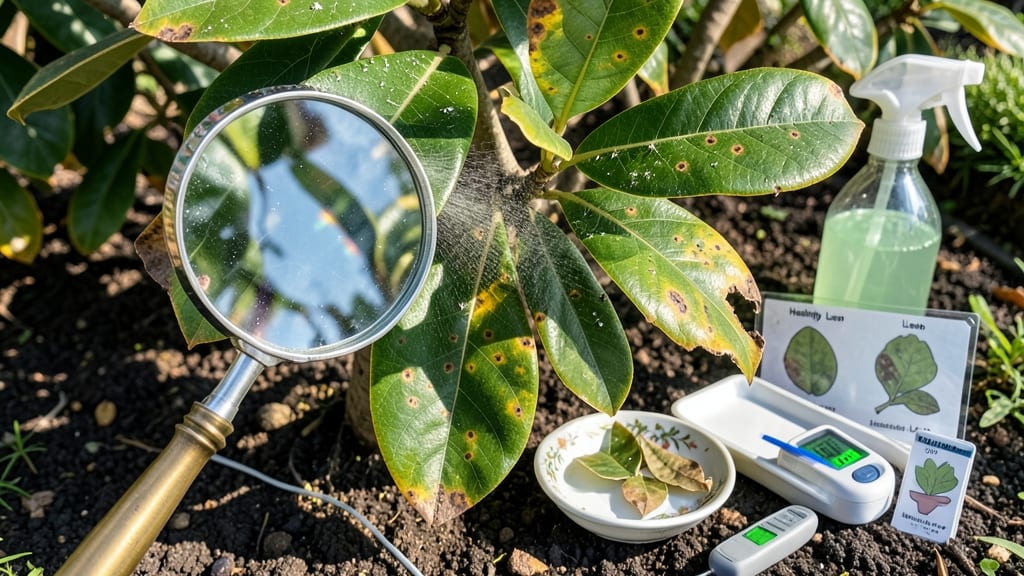
Magnolia trees turn into leaf-loss disasters when you ignore these five sneaky problems. 🌿 I’ve seen healthy magnolias go from lush to leafless in a single season—usually because the issue was spotted too late.
The good news? Most of these problems have simple fixes if you catch them early, before they spread to the whole tree.
Yellowing leaves, brown spots, or sudden wilting aren’t just cosmetic—they’re your tree’s way of screaming for help. Fungal diseases like anthracnose or powdery mildew love damp magnolia leaves, while pests such as scale or spider mites suck the life out of foliage.
Even overwatering or nutrient deficiencies can turn your tree’s leaves into a sad, crunchy mess. The key is identifying the problem fast.
Once you spot the issue, you’ll be able to prune infected branches, apply the right treatment (organic or chemical), and restore your magnolia’s health in just a few weeks.
A little prevention—like proper spacing, good airflow, and regular inspections—can keep your tree thriving for decades. Let’s get those leaves looking vibrant again.
If the problem keeps coming back or spreads despite your efforts, it’s time to call in a pro. Some magnolia issues need expert diagnosis to treat effectively. But for most gardeners, these fixes work wonders—and your tree will thank you with stunning blooms next spring.
Root Causes Behind Leaf Troubles
Magnolia trees are stunning additions to any landscape, but their leaves can sometimes tell a tale of distress—whether it’s discoloration, spots, or premature drop-off. Understanding why these issues occur is the first step to restoring your tree’s health. Below, we break down the most common culprits in simple, science-backed terms.
Fungi thrive in warm, damp conditions, making them a frequent offender in magnolia leaf problems. The most common fungal foes include:
- Powdery Mildew 🍄 - Why it happens: This white, powdery fungus loves humid air and poor air circulation.
It spreads via spores, coating leaves and blocking sunlight, which weakens the tree’s ability to photosynthesize. - Key signs: White or gray powder on leaf surfaces, often on the upper sides of leaves.
- Anthracnose 🍂
- Why it happens: Caused by the fungus Colletotrichum, anthracnose thrives in wet, cool springs. It infects through stomata (tiny leaf pores) and spreads rapidly in rainy seasons.
- Key signs: Dark, sunken spots with yellow halos, often leading to leaf drop.
- Leaf Spot Diseases 🎯
- Why it happens: Fungi like Cercospora or Septoria create water-soaked spots when leaves stay wet for long periods. Overhead watering or dense foliage traps moisture, creating a fungal buffet.
- Key signs: Circular or irregular brown/black spots, sometimes with yellow edges.
💡 Pro Tip: Fungal spores love to hibernate in fallen leaves or mulch. Rake up debris in fall and space trees properly (6–10 ft apart) to improve airflow.
Pests don’t just nibble—they inject toxins, suck sap, or lay eggs that hatch into leaf-munching machines. Here’s how they sabotage your magnolia:
- Scale Insects 🐛
- Why it happens: These armored pests attach to leaves/stems and siphon sap, leaving behind a sticky residue (honeydew) that fosters sooty mold. They’re worse in drought-stressed trees.
- Key signs: White, brown, or black bumps on leaves; yellowing or curled foliage.
- Magnolia Scale 🍁
- Why it happens: A specialized scale for magnolias, it thrives in hot, dry conditions. Females release pheromones to attract more pests, creating colonies.
- Key signs: Leaves turn bronze or brown, buds fail to open, and honeydew drips onto sidewalks.
- Spider Mites 🕷️
- Why it happens: These microscopic arachnids explode in populations during droughts. They pierce leaves to feed, causing stippling (tiny white/yellow dots) and webbing.
- Key signs: Fine webbing on leaves, silver stippling, and leaves that look "sandy."
💡 Pro Tip: Water deeply during dry spells to deter mites. For scales, hose them off with water (they’re not as tough as they look!).
Sometimes, the problem isn’t biological—it’s environmental. Magnolias are tough, but they have limits:
- Water Issues 💦
- Too much: Root rot from soggy soil suffocates roots, starving leaves of oxygen. Fungi like Phytophthora move in, causing yellowing and wilting.
- Too little: Drought stress triggers chlorosis (yellowing between leaf veins) as the tree can’t transport nutrients.
- Sunburn or Wind Scorch ☀️💨
- Why it happens: Young magnolias or those in full sun can get sunburned, especially after winter. Wind exacerbates moisture loss, causing brown, crispy edges.
- Key signs: Bleached or brown patches on leaf edges; leaves may drop prematurely.
- Poor Soil Conditions 🌱
- Why it happens: Magnolias prefer acidic, well-draining soil (pH 5.0–6.0). Compacted or alkaline soil locks out nutrients like iron or manganese, leading to:
- Iron deficiency (chlorosis): Yellow leaves with green veins.
- Manganese deficiency: Brown spots between veins.
- Why it happens: Magnolias prefer acidic, well-draining soil (pH 5.0–6.0). Compacted or alkaline soil locks out nutrients like iron or manganese, leading to:
💡 Pro Tip: Mulch properly (2–3 inches of organic mulch, kept 6 inches from the trunk) to retain moisture and regulate soil temp. For chlorosis, apply chelated iron in early spring.
Magnolias aren’t heavy feeders, but over-fertilizing—especially with nitrogen—can cause more harm than good:
- Nitrogen Burn 🔥
- Why it happens: Excess nitrogen disrupts nutrient balance, causing leaf scorch (brown, crunchy edges) or purple tinges (phosphorus deficiency from imbalance).
- Key signs: Rapid new growth followed by weak, yellowing leaves.
- Herbicide Drift 🚫🌿
- Why it happens: Magnolias are sensitive to broadleaf herbicides (like 2,4-D). Even a whiff can cause stunted growth, cupped leaves, or blackened foliage.
- Key signs: Distorted, dark green leaves; growth stops mid-season.
💡 Pro Tip: Test your soil before fertilizing. For magnolias, slow-release, acidic-formula fertilizers (like 10-10-10) are safest. Avoid granular fertilizer near the trunk—it can burn roots.
Magnolias have growth cycles, and stress at the wrong time can trigger leaf problems:
- Spring Flush 🌱
- Why it happens: New leaves are most vulnerable to frost damage, pests, or fungal spores. If temperatures drop below 28°F, leaves can blacken and drop.
- Key signs: Brown, mushy new leaves; delayed bud opening.
- Fall Senescence 🍂
- Why it happens: As days shorten, magnolias reabsorb nutrients from leaves, causing natural yellowing. However, early frosts or drought can accelerate this, making leaves look prematurely old or spotted.
💡 Pro Tip: Protect young trees in late spring with frost cloth if frost is forecasted. In fall, water deeply before the first freeze to prepare roots.
Fixing Your Magnolia’s Leaf Woes
When your magnolia’s leaves start looking less than their lush best, it’s time to roll up your sleeves and take action! The good news? Most leaf problems have simple, effective fixes—if you catch them early.
Below, we’ll walk you through practical solutions for each common issue, plus prevention tips to keep your magnolia thriving. Think of this as your magnolia’s first-aid kit! 🩺🌿
Fix it fast:
- Check the soil moisture 💧
- Stick your finger 2–3 inches into the soil. If it’s soggy, your magnolia is drowning. Magnolias prefer well-draining soil—amend heavy clay with compost or sand.
- Pro tip: Water deeply once a week (or less in winter) and avoid shallow, frequent watering.
- Fertilize for a comeback 🌱
- Spread a balanced, slow-release fertilizer (10-10-10 or 8-3-9) around the root zone in early spring before new growth starts.
- For iron deficiency (yellow leaves with green veins), use an iron chelate or apply Epsom salt (1 tbsp per gallon of water) every 2–3 weeks.
- Prune the worst offenders ✂️
- Snip off yellowed or brown leaves at the base to redirect energy to healthy foliage. Avoid heavy pruning—magnolias bloom on old wood!
Prevent future yellowing:
- Mulch around the base (2–3 inches of organic mulch) to retain moisture and regulate soil temperature.
- Avoid compacted soil—loosen it gently with a garden fork if needed.
Stop the spread:
- Identify the culprit 🔍
- Fungal spots? (Dark brown/black spots with yellow halos) → Likely anthracnose or powdery mildew.
- Holes or chewed edges? → Magnolia scale, spider mites, or caterpillars are feasting.
- Treat fungal issues 🍄
- Prune infected leaves immediately and dispose of them in the trash (not compost).
- Spray with a copper fungicide or baking soda mix (1 tbsp baking soda + 1 tsp dish soap + 1 gallon water) every 7–10 days until new leaves emerge.
- Prevention: Improve airflow by thinning dense branches and avoid overhead watering.
- Kick pests to the curb 🚫🐜
- For scale/insects: Blast off pests with a strong stream of water, then apply neem oil or insecticidal soap (follow label rates).
- For caterpillars: Handpick them (gross but effective!) or use Bt (Bacillus thuringiensis), a natural bacteria that targets caterpillars.
- Prevention: Encourage beneficial insects like ladybugs with nearby pollinator-friendly plants.
Get to the root of the problem:
- Rule out environmental stressors ❄️☀️
- Too much sun? Move young magnolias to partial shade (they tolerate shade better than full sun).
- Temperature swings? Magnolias hate late spring frosts—cover them with frost cloth if frost is forecasted.
- Transplant shock? If recently planted, water deeply and avoid fertilizing for 4–6 weeks.
- Check for disease 🦠
- Magnolia leaf blight? (Brown, crinkled leaves) → Prune infected branches 6 inches below the damage and sterilize tools with rubbing alcohol.
- Root rot? (Wilting, mushy roots) → Dig up the tree, trim rotten roots, and repot in fresh, dry soil.
Prevent leaf drop:
- Water consistently—don’t let soil dry out completely between waterings.
- Mulch heavily (3–4 inches) to protect roots from temperature extremes.
Cool things down:
- Adjust watering habits 💦
- During heatwaves, water early in the morning to reduce evaporation. Aim for 1–1.5 inches per week.
- If soil is bone-dry, do a deep soak (let water penetrate 6–8 inches down).
- Provide shade relief 🌳
- Temporary shade cloth (30–50% shade) can protect leaves from scorching during extreme heat.
- Avoid pruning during heatwaves—wait until temperatures drop.
- Fertilize lightly 🌿
- Skip heavy fertilizing in summer—it stresses the tree. If leaves are pale, use a half-strength liquid fertilizer in early fall.
Prevent heat stress:
- Group magnolias with other trees to create natural shade.
- Mulch with straw or wood chips to keep roots cool.
Keep your magnolia leaf-problem-free with these habits:
- Prune in late winter/early spring (before buds swell) to remove dead/diseased wood.
- Test your soil every 2–3 years—magnolias prefer slightly acidic soil (pH 5.0–6.5).
- Avoid compacted soil—aerate with a garden fork if the ground feels hard.
- Monitor regularly—catch issues early by checking leaves weekly during growing season.
With these fixes, your magnolia should bounce back with vibrant, healthy leaves in no time. Remember: prevention is your best tool—consistent care keeps problems from taking root (literally!). 🌟 Now go give that tree some TLC—it’ll thank you with stunning blooms next season.
Frequently asked questions
Why are my magnolia leaves turning yellow between the veins?
This classic sign points to iron deficiency, often called chlorosis. Magnolias need acidic soil (pH 5.0–6.0) to absorb iron properly. Test your soil—if it's alkaline, apply chelated iron or Epsom salt (1 tbsp/gallon) every 2–3 weeks until leaves green up. Avoid lime!
What do those white powdery spots on my magnolia leaves mean?
That's powdery mildew, a fungal disease that thrives in humid conditions. Prune affected branches immediately and improve airflow by spacing plants 6–10 feet apart. Spray with a baking soda mix (1 tbsp baking soda + 1 tsp dish soap + 1 gallon water) every 7–10 days until new leaves appear.
Are brown spots with yellow halos on my magnolia leaves dangerous?
Those are likely signs of anthracnose, a common fungal disease that spreads rapidly in wet springs. Remove infected leaves immediately (don't compost them!) and apply a copper fungicide. Thin dense branches to improve airflow—this helps prevent future outbreaks.
Why are my magnolia leaves curling and covered in tiny webs?
This is a spider mite infestation, which thrives during drought. Blast them off with water first, then treat with neem oil or insecticidal soap. Deep watering 2–3 times per week during dry spells will deter them. Encourage ladybugs by planting nearby pollinator-friendly flowers!
Can I still save my magnolia if half the leaves are dropping?
Yes! First identify the cause—could be root rot (from overwatering), herbicide damage, or transplant shock. For root rot, trim affected roots and repot in fresh, dry soil. If it's herbicide damage, the tree will recover slowly—just keep soil consistently moist. For transplant shock, avoid fertilizing for 4–6 weeks and water deeply.