
Flowers
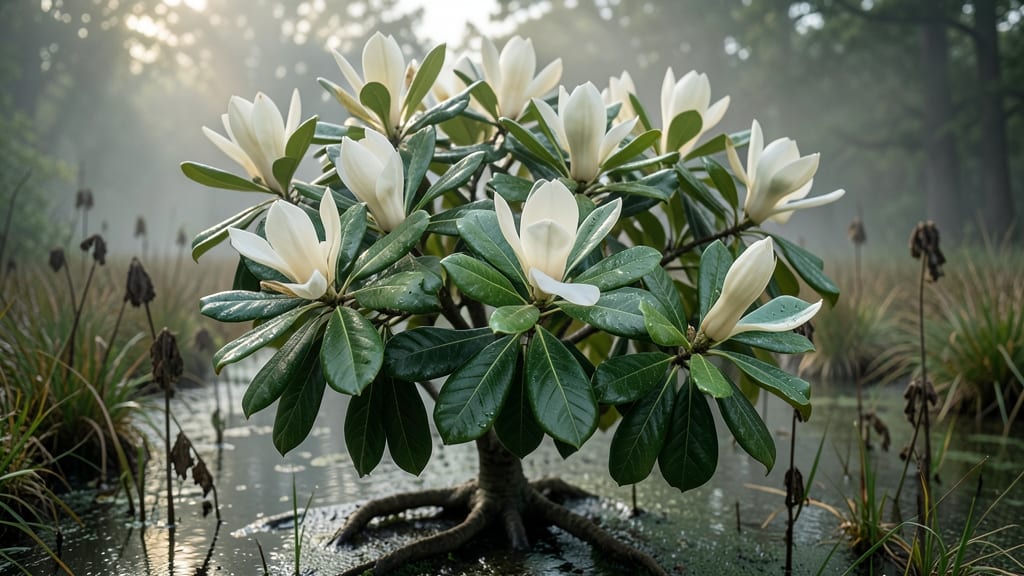
Transform your garden into a fragrant paradise with these 10 sweet-smelling trees adorned with delicate white blossoms. These pollinator magnets not only fill the air with intoxicating scents but also support bees, butterflies, and birds—creating a thriving ecosystem right in your backyard.
Bridal Wreath Spirea (Spiraea prunifolia)
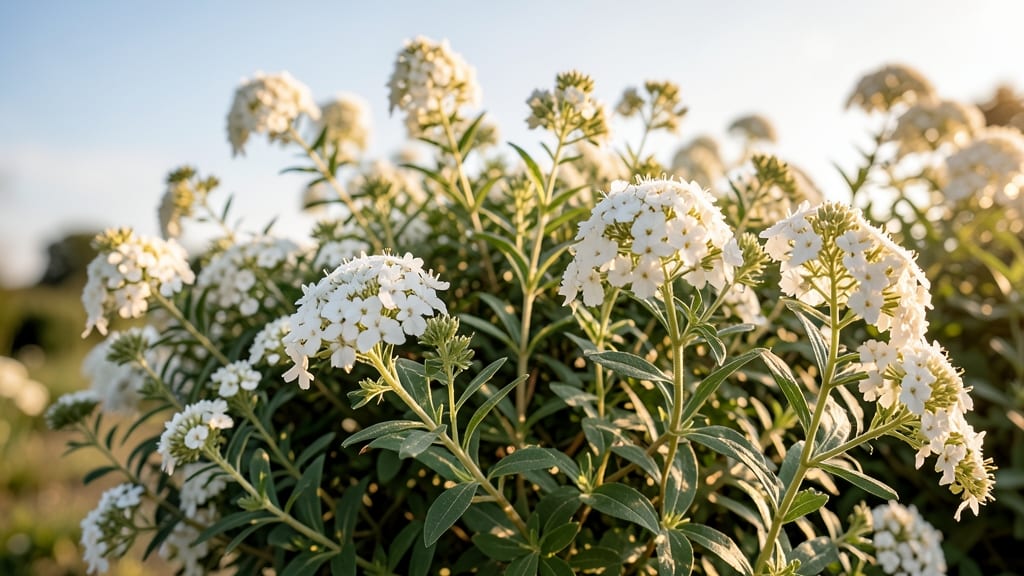
If you crave a garden that smells like a honeycomb on a summer breeze but hate the fuss of high-maintenance plants, Bridal Wreath Spirea is your secret weapon. This drought-tolerant shrub bursts with clusters of tiny white flowers that release a sweet, honey-like fragrance—perfect for pollinators while requiring almost no effort from you.
Thriving in full sun to partial shade, this shrub adapts to almost any soil type, making it ideal for urban gardens, borders, or even containers. Prune lightly after blooming to maintain its rounded shape, and watch as bees, butterflies, and hummingbirds flock to its fragrant blooms. It’s the ultimate low-maintenance shrub for busy gardeners who still want a fragrant, pollinator-friendly garden. 🌿
Japanese Snowbell Tree (Styrax japonicus)
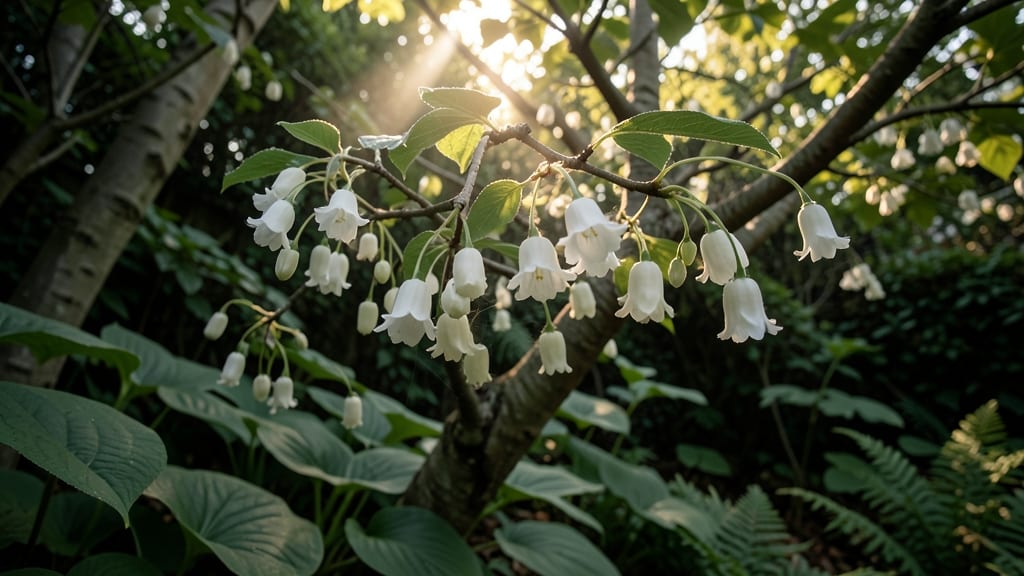
Tucked away in shaded corners where sunlight barely lingers, the Japanese Snowbell Tree (Styrax japonicus) unfolds its secrets with bell-shaped white flowers that drift like snowflakes in late spring. This understated beauty transforms quiet garden nooks into fragrant sanctuaries, releasing a jasmine-like scent that lingers on the breeze—perfect for creating intimate, sensory-rich spaces.
Thriving in partial to full shade, this tree tolerates a range of soil types, from moist to slightly dry, making it versatile for urban gardens, woodland edges, or beneath taller trees. Its glossy, dark green leaves provide year-round interest, while its delicate blooms attract pollinators like bees and butterflies without competing with sun-loving plants. Prune lightly after flowering to maintain its graceful, rounded shape.
Ideal for gardeners seeking low-maintenance elegance, this tree is especially cherished in Japanese-inspired gardens or as a focal point near patios where its scent can be fully enjoyed. 🌿
Fringe Tree (Chionanthus virginicus)
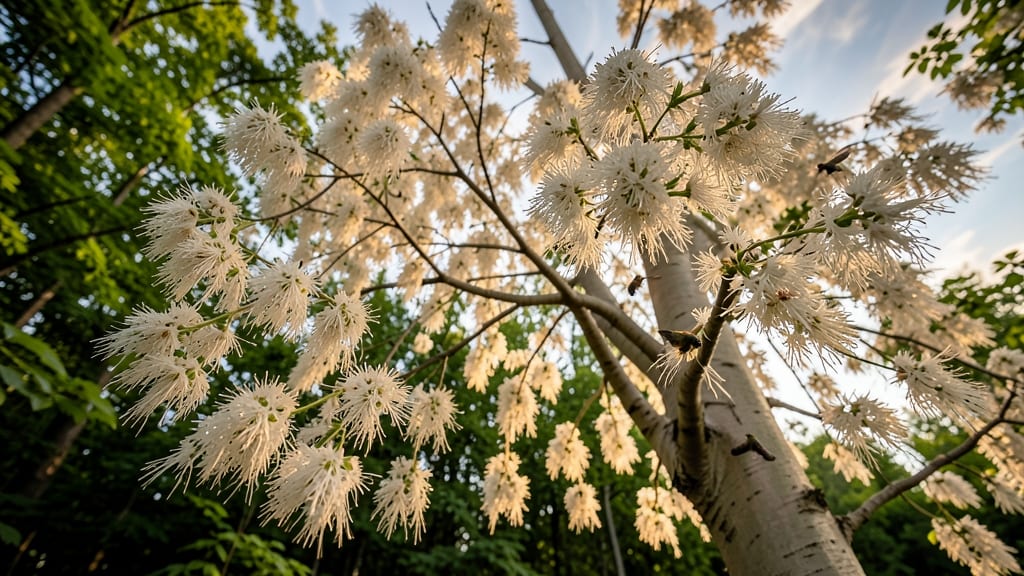
Looking for a native North American tree that brings both fragrance and wildlife to your garden? The fringe tree (Chionanthus virginicus) delivers delicate, white fringe-like flowers in late spring, filling the air with a subtle, sweet scent that hummingbirds and bees adore.
This southeastern U.S. native thrives in full sun to partial shade and handles a range of soils, including clay and sandy loam. Its fragrant blooms appear after the leaves unfurl, creating a striking contrast, while the glossy green foliage provides year-round interest. Prune lightly after flowering to maintain shape.
Perfect for pollinator gardens, this low-maintenance tree adds textural beauty without the fuss of high-care species. Ideal for urban gardens, meadows, or as a specimen plant, it’s a must-have for eco-conscious gardeners. 🌻
Mock Orange (Philadelphus coronarius)
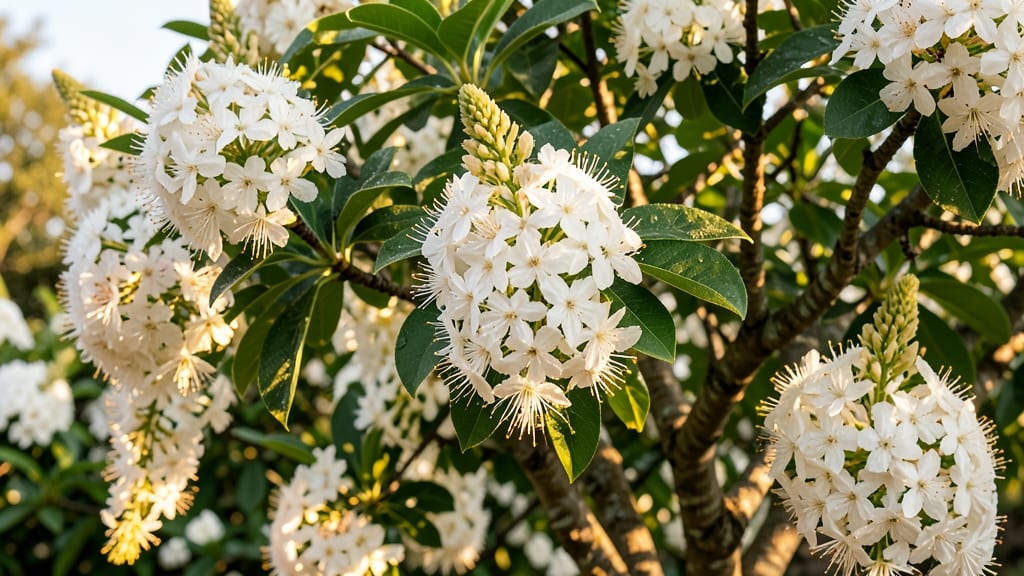
If you crave a garden that smells like a sun-drenched orchard without the upkeep of fruit trees, mock orange (Philadelphus coronarius) is your secret weapon. This hardy shrub bursts with clusters of small, star-shaped white flowers that release an intoxicating scent reminiscent of orange blossoms—even though it’s not related to citrus!
Thriving in full sun to partial shade, mock orange adapts to most soils and handles both drought and occasional wet conditions. Prune lightly after flowering to maintain shape, and enjoy year-round interest—its glossy green leaves turn golden-yellow in fall. The blooms also make stunning cut flowers that last up to a week in vases, perfect for cottage-style bouquets.
This versatile shrub is ideal for beginner gardeners and small-space enthusiasts, fitting beautifully in borders, foundation plantings, or even large containers. Its pollinator-friendly flowers attract bees and butterflies while filling your garden with a sweet, citrusy aroma that lingers long after the blooms fade. 🌷
White Flowering Dogwood (Cornus florida)
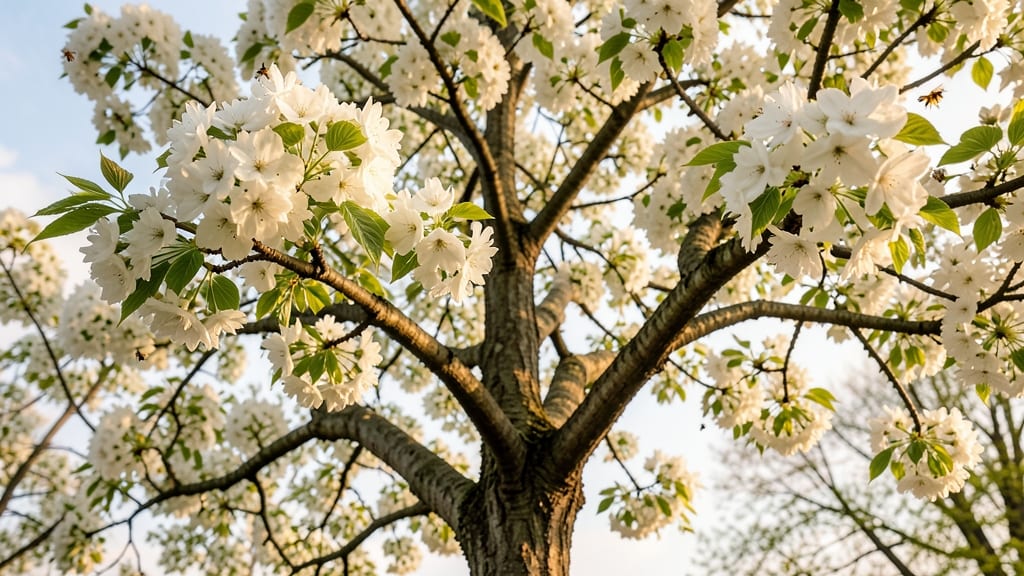
If you crave a fragrant focal point that transforms your yard into a springtime sanctuary, the white flowering dogwood (Cornus florida) delivers. Its showstopping white bracts (modified leaves) create a dramatic canopy, while the subtle scent draws pollinators like bees and butterflies from afar.
This native North American tree thrives in partial shade to full sun and handles moist, well-draining soil beautifully—ideal for woodland edges or as a standalone specimen. Prune lightly after flowering to maintain its natural shape, and watch as its vibrant red stems add winter interest. The 4-inch blooms appear before leaves, making it a standout early spring performer.
Perfect for gardeners seeking low-maintenance elegance with high ecological value, dogwoods support local wildlife while requiring minimal care. Plant one near patios or entryways to enjoy its subtle jasmine-like fragrance year-round. 🌿
Deutzia (Deutzia gracilis)
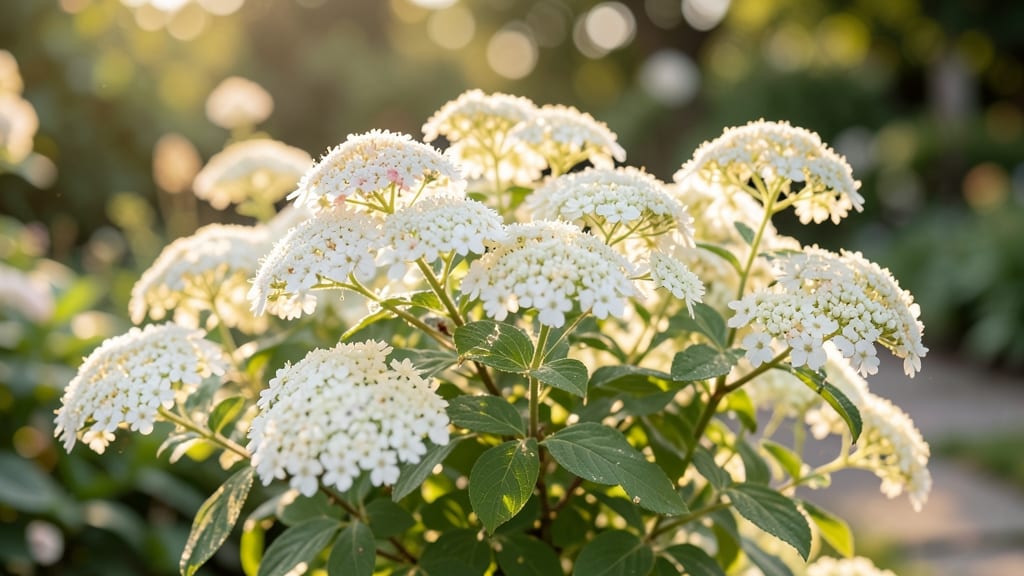
Looking for a fragrant focal point that won’t overwhelm your small garden? Deutzia gracilis delivers delicate white clusters with a light, sweet scent that perfumes the air without overpowering—perfect for borders, pathways, or containers.
This compact shrub thrives in partial shade to full sun and blooms prolifically in late spring, offering arching branches that create natural movement. Prune lightly after flowering to maintain its graceful shape, and enjoy pollinator-friendly blooms that attract bees and butterflies. Its low-maintenance nature makes it ideal for busy gardeners.
Urban gardeners and cottage-style enthusiasts will love how Deutzia gracilis adds texture and fragrance without requiring much space. Pair it with lavender or catmint for a sensory garden that blooms and smells all season. 🌷
Lilac (Syringa vulgaris)
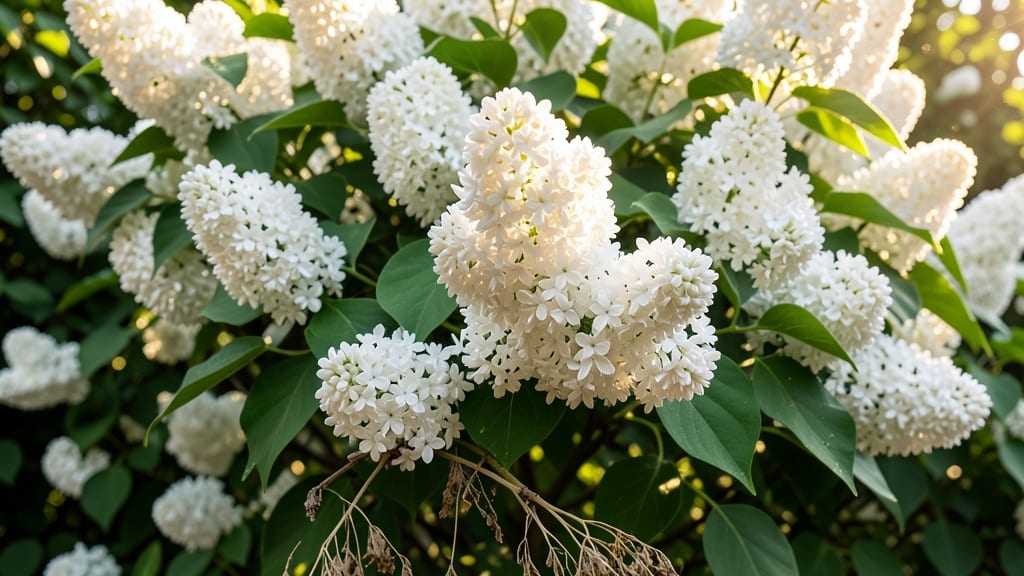
Want to turn your garden into a fragrant haven that neighbors will envy? The white varieties of lilac (Syringa vulgaris) deliver an intoxicating perfume that lingers for days—perfect for cutting and preserving in dried arrangements. Unlike other fragrant trees, these varieties offer a crisp, clean scent that pairs beautifully with roses and lavender.
Plant your lilacs in full sun to partial shade and well-drained soil for the best blooms. Prune immediately after flowering to maintain shape and encourage next year’s fragrance. The ‘Alba’ variety is especially prized for its pure white blossoms and strong aroma, making it a standout in any garden. With minimal care, you’ll enjoy year-round fragrance from dried stems indoors.
This classic shrub thrives in USDA zones 3-7, making it ideal for northern climates where other fragrant trees struggle. Whether you’re a beginner or a seasoned gardener, lilacs reward you with effortless beauty and unforgettable scent. 🌻
Crabapple Tree (Malus spp.)
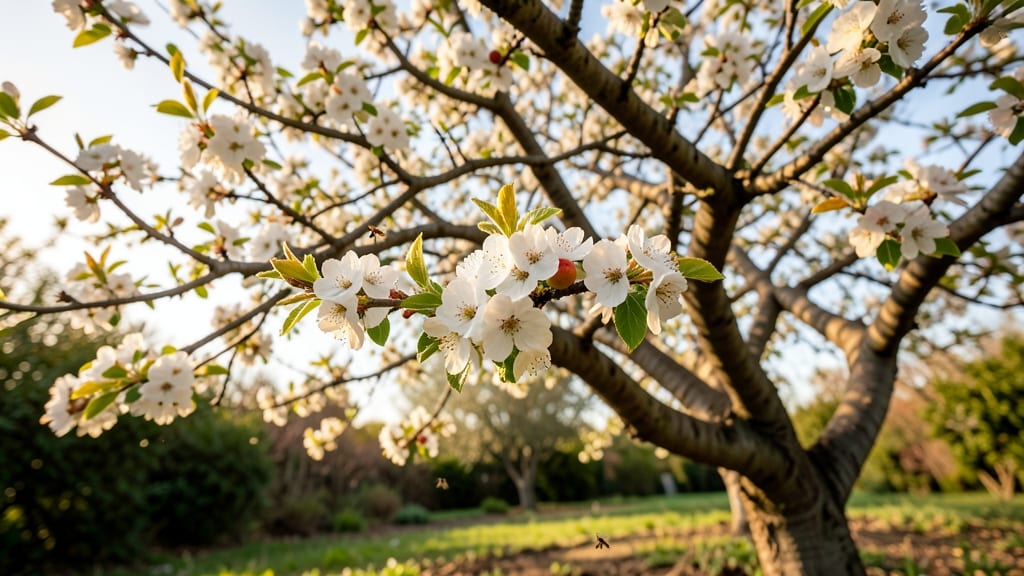
If you love the idea of a fragrant tree that doubles as a pollinator paradise, the crabapple tree (Malus spp.) is your perfect match. Unlike other trees that rely on a single season of interest, crabapples deliver year-round appeal—from delicate white blossoms in spring to colorful fruit in fall and winter.
These compact trees thrive in small yards and urban spaces, with many varieties staying under 20 feet tall. The tiny white flowers create a stunning spring display while attracting bees and butterflies, and the small, decorative fruit adds autumn color that persists through winter. Choose disease-resistant cultivars like 'Dolgo' or 'Royalty' for low-maintenance beauty.
Perfect for gardeners who want a multi-seasonal focal point without the space demands of larger trees, crabapples bring both fragrance and function to your landscape. 🌻
Pieris Japonica (Andromeda)
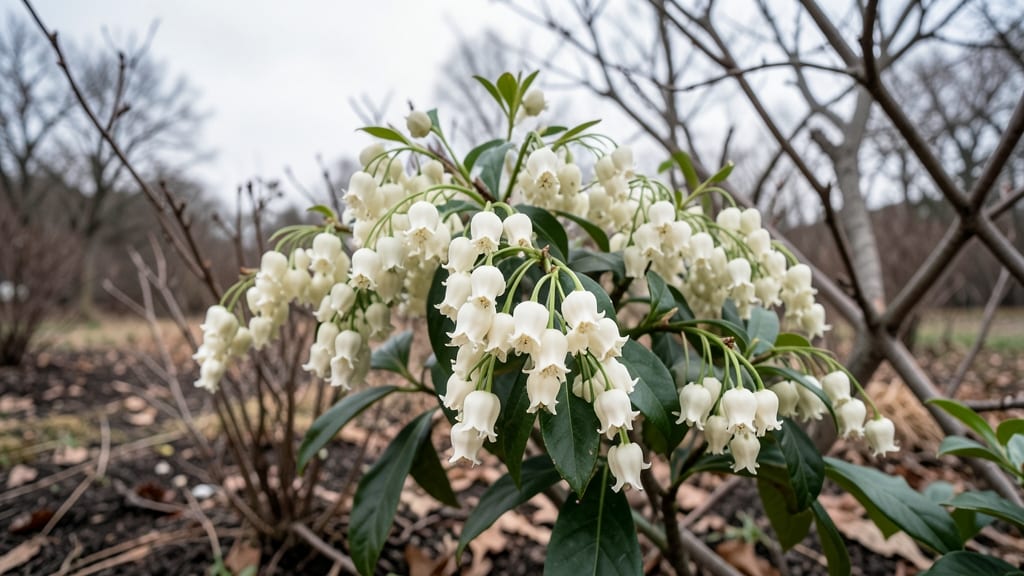
Looking for a fragrant winter bloomer that keeps your garden lively even when most plants are dormant? Pieris japonica (also called Andromeda) delivers clusters of bell-shaped white flowers in late winter or early spring, filling the air with a subtle, sweet scent that attracts early-season pollinators.
This evergreen shrub thrives in partial shade to full sun and handles acidic, well-draining soils—ideal for woodland gardens or understory plantings. Its glossy dark green leaves add year-round structure, while the pinkish new growth in spring creates a striking contrast. Prune lightly after flowering to maintain shape, and watch for fire blight in humid climates.
Perfect for gardeners who love early color and pollinator support, Pieris japonica is especially prized in cooler climates where winter interest is limited. It’s a low-maintenance workhorse that rewards patience with decades of beauty. 🌱
Sweetbay Magnolia (Magnolia virginiana)

If your garden has moist or boggy areas that other plants struggle to survive in, the Sweetbay Magnolia (Magnolia virginiana) is your secret weapon. This Southern native thrives where others fail, offering fragrant white flowers that perfume the air in spring and glossy evergreen leaves that stay vibrant year-round.
Perfect for wetland gardens, rain gardens, or areas near ponds, this tree handles soggy soil with ease while attracting pollinators like bees and butterflies. Its small, creamy blooms appear before the leaves, creating a stunning display, and the glossy foliage provides year-round interest. Prune lightly after flowering to maintain shape and encourage dense growth.
Gardeners in the Southeast will love this low-maintenance beauty—it’s drought-tolerant once established and even handles salt spray, making it ideal for coastal gardens. 🌿