
Flowers
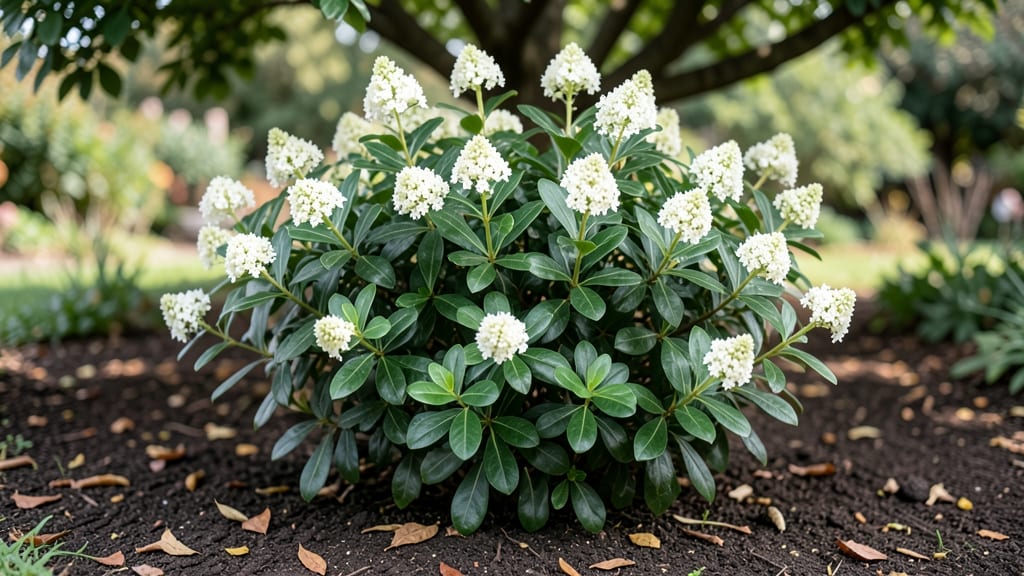
Privet tree flowers transform your yard into a fragrant spring paradise with almost no effort. 🌸 These clusters of tiny white blooms may look modest, but their sweet, honey-like scent fills the air for weeks—if you give them the right growing conditions.
I've learned that most gardeners underestimate how easy privet care can be once you know the simple tricks. The secret to abundant flowering starts with well-draining soil and full sun exposure.
Privets thrive in average garden soil but reward you with more blooms when you mix in a little compost before planting. Watering is where many people go wrong—these trees hate soggy roots, so let the top inch dry out between waterings once established.
With proper care, you'll see those fragrant clusters return year after year with minimal maintenance. What makes privet flowers special is how they attract pollinators while staying virtually pest-free. The dense foliage provides year-round interest, and the spring blooms create a stunning contrast against the dark green leaves.
Even better, they're one of the few shrubs that look equally good as a hedge or a standalone specimen. The scent alone makes them worth growing in any landscape. For maximum flowering, prune right after blooming to shape the shrub and encourage new growth.
Avoid heavy pruning in late summer—it removes next year's flower buds. With these simple steps, you'll enjoy that signature privet fragrance for decades with almost no work.
📚 In This Guide
- What you need
- Instructions
- Tips and common mistakes
- Wrapping up and next steps
What you need
- ● Privet tree: 1 nursery-grown sapling (1–3 years old, 2–4 ft tall) or
- ● Seeds (from fresh berries, though germination is slow—patience is key!) or
- ● Hardwood cuttings (4–6 inches long, taken in late winter/early spring).
- ● Planting site: Full sun to partial shade (6+ hours of sunlight daily).
- ● Well-draining soil (pH 6.0–7.5). Privet hates soggy roots!
- ● Tools: 1 shovel or trowel (for digging).
- ● 1 garden fork (to loosen soil).
- ● 1 pair of pruning shears (for shaping or cuttings).
- ● 1 watering can or hose with a gentle spray nozzle.
- ● Compost or organic matter (to enrich soil).
- ● Mulch (2–3 inches of wood chips or pine straw to retain moisture).
- ● Fertilizer (balanced 10-10-10 or slow-release granules).
- ● Plant support (stakes or cages for young saplings in windy areas).
- ● Gloves (to protect hands from thorns on some varieties).
- ● Pest control (neem oil or insecticidal soap if aphids or scale appear).
How to grow privet tree flowers for fragrant spring displays
Here's my no-fuss approach to coaxing those sweet-smelling clusters from your privet—no green thumb required.
🌱 Step 1: Select and Prepare the Right Location
Privet thrives in full sun to partial shade, so pick a spot with at least 6 hours of sunlight daily. I always check the afternoon sun pattern—privet hates late-day baking, which can scorch leaves. Test your site by watching how sunlight moves across the area during the warmest part of the day.
Dig a hole twice as wide as the root ball but only as deep. Privet roots spread horizontally, so amending the top 12 inches of native soil with compost improves drainage and encourages root expansion. Mix in a handful of slow-release fertilizer at planting to give new roots a nutritional boost.
☀️ Step 2: Plant at the Right Time and Depth
Spring or early fall planting gives privet the best chance to establish before summer heat. I plant mine in late April to early May when soil warms to 60°F—this prevents root shock from temperature swings. Remove the plant from its container and gently loosen any circling roots with your fingers.
Position the root ball so the top sits 1 inch above ground level. Backfill with native soil, tamping lightly every 2 inches to eliminate air pockets. Water deeply until moisture reaches 6 inches down. You'll know it's right when water pools on the surface briefly but drains within 10 minutes.
💧 Step 3: Water Consistently During Establishment
New privet trees need 1-2 inches of water weekly during the first growing season. I use a rain gauge to track moisture—when it reads 1 inch since last watering, that's my signal to water again. Deep watering encourages deep roots, which makes privet drought-tolerant once established.
Water at the base rather than overhead to prevent fungal diseases. You'll see healthy growth when new leaves appear bright green and slightly waxy. If leaves yellow or wilt, you're either overwatering or underwatering—privet handles both poorly. Mulch with 2-3 inches of organic mulch to retain moisture and regulate soil temperature.
✂️ Step 4: Prune for Shape and Flower Production
Prune privet in late winter or early spring before new growth begins. I cut back one-third of the oldest stems each year to encourage new growth and flowering. Remove any dead, diseased, or crossing branches first—this improves airflow and reduces pests.
Shape the tree by making cuts just above outward-facing buds. You'll notice new growth emerging from these buds within 2-3 weeks. Avoid heavy pruning after mid-summer, as this stimulates tender growth that won't harden off before winter. A well-pruned privet produces dense clusters of fragrant white flowers in spring.
🌿 Step 5: Maintain for Long-Term Blooms
Mature privet needs minimal care—just annual fertilization in early spring and occasional pruning to maintain shape. I fertilize with a balanced 10-10-10 formula at ½ the recommended rate to avoid burning roots. Over-fertilizing leads to leafy growth at the expense of flowers.
Watch for signs of stress: brown leaf edges often mean underwatering, while yellow leaves signal overwatering or poor drainage. Privet rarely gets pests, but I keep an eye out for scale insects—if you see sticky residue on leaves, treat with horticultural oil. With proper care, your privet will reward you with fragrant spring blooms for decades.
Tips & tricks for growing fragrant privet blooms
Let me share the little details that make all the difference when growing these sweet-smelling shrubs.
Sunlight Strategy: That 6 hours of sunlight requirement is non-negotiable for fragrant blooms, but here's the secret: I always check for afternoon shade patterns first. Privet leaves burn easily in intense late-day sun, so if your spot gets harsh afternoon rays, consider a location with morning sun and afternoon shade instead. This simple adjustment prevents those unsightly brown patches that ruin the plant's aesthetic.
Root Ball Revelation: When planting, don't just eyeball that 1-inch above ground level placement. Use a level tool or even a small plate filled with water to check - the top of the root ball should be perfectly level with the surrounding soil. This ensures proper water drainage and prevents root rot, which can silently kill your privet before it even gets a chance to bloom.
Watering Wisdom: The 1-2 inches weekly guideline works perfectly, but here's what I do differently: I water deeply every other day for the first two weeks after planting. This helps establish those critical root systems faster. After that, I stick to the weekly schedule, but I always check moisture by pushing a screwdriver into the soil - if it comes out clean, I know it's time to water again.
Pruning Payoff: That one-third annual pruning isn't just about shaping - it's about flower production. I always cut back the oldest stems first, as these are the ones that produce the most flowers. Make your cuts just above outward-facing buds, and you'll see new growth emerging within those 2-3 weeks. Pro tip: Use sharp, clean pruners to prevent tearing the bark, which can introduce diseases to your plant.
Pro Tips for Privet Tree Flowers
- Let me share the little details that make all the difference when growing these sweet-smelling shrubs.
- Sunlight Strategy: That 6 hours of sunlight requirement is non-negotiable for fragrant blooms, but here's the secret: I always check for afternoon shade patterns first.
- Root Ball Revelation: When planting, don't just eyeball that 1-inch above ground level placement.
Frequently asked questions
Got questions about growing and enjoying privet tree flowers? You’re not alone! Here are some of the most common queries—plus quick, practical answers to help you make the most of your fragrant blooms.
When do privet tree flowers bloom, and how long do they last?
Privet flowers typically bloom in late spring to early summer (May–June in most regions), with clusters of small, white, or pale yellow blossoms. The flowers last about 2–3 weeks but release their sweet fragrance for days, especially in the morning. For a longer display, choose Ligustrum x vicaryi varieties—they often rebloom lightly in fall!
Do privet tree flowers need special care to thrive?
Not at all! These hardy shrubs thrive on minimal fuss. Just ensure they get:
- Full sun to partial shade (6+ hours of sunlight for best blooms).
- Well-draining soil—they hate soggy roots.
- Occasional pruning after flowering to shape the plant (but avoid heavy cuts in late fall/winter).
Are privet flowers good for pollinators like bees and butterflies?
While privet flowers aren’t a top-tier nectar source, they’re still welcome visitors for early-season pollinators. For a bee-friendly boost, plant them near lavender, rosemary, or butterfly bush—these combos create a pollinator paradise. Just avoid spraying pesticides during bloom time!
Can privet trees survive cold winters, and do they lose flowers in frost?
Most privet varieties are zoned for USDA 5–9, meaning they handle winters down to -20°F (-29°C) with ease. Early spring frosts might nip buds, but don’t worry—they’re resilient! For extra protection, choose Ligustrum amurense (hardier types) or mulch heavily. Once established, they’ll bounce back stronger each year.
What’s a good alternative if I want fragrant flowers but less upkeep?
If privet’s moderate growth (6–12 ft tall) feels like too much, try these low-maintenance fragrant picks:
- Dwarf lilac (Syringa meyeri) – Compact, repeat bloomer, and deer-resistant.
- Mock orange (Philadelphus) – Intense fragrance, thrives in shade.
- Abelia – Semi-evergreen with sweet summer blooms.
Wrapping up and next steps
Growing privet tree flowers is a rewarding way to bring fragrant spring beauty to your garden with minimal effort! These hardy plants thrive in various conditions, making them perfect for both beginners and seasoned gardeners.
Whether you’re drawn to their delicate blossoms or their low-maintenance nature, a privet tree adds charm and elegance to any landscape.
Now that you’re equipped with the right knowledge, why not take the next step? Plant your privet tree this season and enjoy the sweet, intoxicating scent of spring blooms year after year. Happy gardening! 🌸✨