
Container Gardens
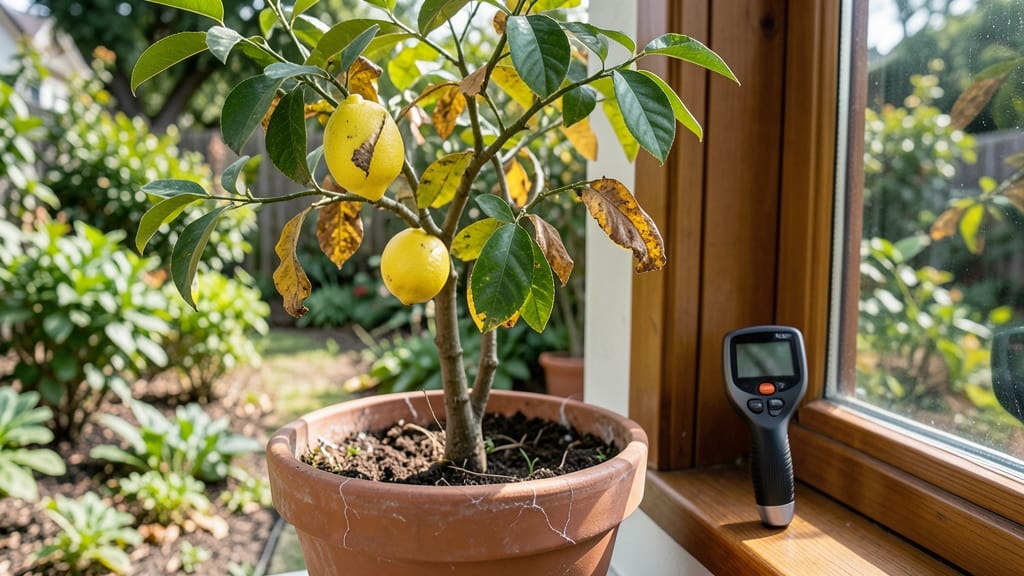
Your potted lemon tree losing leaves isn’t a death sentence—it’s a cry for help you can fix today. 🌱 I’ve nursed back three lemon trees from this exact problem, and the solutions are simpler than you’d think, starting with checking the soil moisture and light exposure.
The most common culprits are overwatering (roots suffocating) or underwatering (leaves curling like parchment), but pests like spider mites or nutrient deficiencies can also be the sneaky villains. Don’t panic—each issue has a targeted fix, from adjusting your watering schedule to applying neem oil or adding citrus-specific fertilizer.
By the end of this, your tree will be putting out fresh, glossy leaves again within 2-4 weeks, and you’ll spot the early warning signs before they become full-blown problems. The key is acting fast and checking the roots first—most fixes start there.
Works for dwarf Meyer lemons, Eureka varieties, or any potted citrus. Let’s get your tree back to thriving!
Root Causes Behind Leaf Drop
If your potted lemon tree is shedding leaves like a cat in a rainstorm, don’t panic—there’s usually a clear reason behind it. 🌿💨 Understanding these triggers is the first step to bringing your citrus tree back to health.
Below, we break down the most common culprits, why they happen, and how they disrupt your tree’s delicate balance.
Lemon trees are tropical at heart and thrive in warm, stable conditions. When exposed to sudden temperature swings, cold drafts, or extreme heat, their leaves react by dropping as a survival mechanism.
- Cold Stress: Temperatures below 40°F (4°C) can shock the tree, causing leaf scorch and premature shedding. Even brief exposure to frost or chilly nighttime temps triggers this response.
- Heat Stress: While lemon trees love warmth, consistent temperatures above 95°F (35°C)—especially with low humidity—can scorch leaves and force them to drop faster than a hot pan lid.
- Drafts and AC Units: Positioning your potted lemon near air vents, sliding glass doors, or open windows creates microclimates that confuse the tree. Cold air weakens foliage, making it prone to falling.
💡 Pro Tip: If you’re in a cooler climate, move your tree indoors during winter or use a grow light to supplement natural light. In summer, provide partial shade (especially between 10 AM–4 PM) to prevent heat shock.
Watering is a tightrope walk for lemon trees—too little, and they wilt; too much, and roots suffocate. Both extremes lead to leaf loss, but the symptoms differ.
- Underwatering:
- Signs: Leaves turn yellow at the edges, feel crispy to the touch, and drop suddenly.
- Why it happens: Lemon trees need consistent moisture (about 1–1.5 inches per week in summer, less in winter). When soil dries out completely, roots can’t absorb water, causing cellular dehydration and leaf abscission (the plant’s way of shedding unnecessary weight).
- Actionable fix: Stick your finger 1–2 inches into the soil—if it’s dry, water deeply until it drains from the bottom. Use a moisture meter for accuracy.
- Overwatering:
- Signs: Yellowing leaves with mushy stems, foul-smelling soil, or roots that appear black or mushy when checked.
- Why it happens: Soggy soil cuts off oxygen to roots, leading to root rot (often caused by Phytophthora or Fusarium fungi). The tree sheds leaves to conserve energy.
- Actionable fix: Let the top 2–3 inches of soil dry out between waterings. Ensure pots have drainage holes and use a well-draining potting mix (like a 50/50 blend of cactus soil and perlite).
⚠️ Warning: If you suspect root rot, stop watering immediately and repot the tree in fresh, dry soil. Trim any blackened roots with sterilized scissors.
Lemon trees are sun-worshippers but can get sunburned or weak if light conditions are off. Both extremes cause leaf drop.
- Insufficient Light:
- Signs: Leaves turn yellow or pale green, grow small, and drop. New growth may appear weak or leggy.
- Why it happens: Lemon trees need 6–8 hours of direct sunlight daily. Without enough light, they can’t perform photosynthesis efficiently, leading to nutrient deficiencies and leaf loss.
- Actionable fix: Place your tree near a south- or west-facing window (in the Northern Hemisphere). If indoors, supplement with a grow light (LED or fluorescent) for 12–14 hours/day.
- Too Much Direct Sun:
- Signs: Leaves develop brown, crispy patches (sunburn) or turn bleached white before dropping.
- Why it happens: Intense afternoon sun (especially in hot climates) can overheat leaves, causing cellular damage. Young leaves are most vulnerable.
- Actionable fix: Acclimate your tree gradually to full sun by dappling shade for the first few weeks. Use a light sheer curtain to filter harsh rays.
🌡️ Humidity Matters Too: Lemon trees prefer 50–70% humidity. If your home is dry (common with central heating), use a humidifier or place the pot on a pebble tray with water.
Lemon trees are heavy feeders, but too little or too much fertilizer can cause leaf drop. Here’s how to spot the imbalance:
- Nitrogen Deficiency:
- Signs: Older leaves turn yellow (starting at the base) while new growth stays green. Stunted growth may occur.
- Why it happens: Nitrogen is crucial for leaf production. If your tree isn’t getting enough (or if soil is depleted), leaves yellow and drop to conserve energy.
- Actionable fix: Use a balanced citrus fertilizer (like 6-6-6 or 8-3-9) every 4–6 weeks in spring/summer. Avoid fertilizing in winter when growth slows.
- Over-Fertilization:
- Signs: Brown leaf tips, leaf drop, or white crust on soil surface. Roots may appear burned (blackened or brittle).
- Why it happens: Excess salts or chemicals in fertilizer burn roots, preventing water/nutrient uptake. The tree sheds leaves to reduce stress.
- Actionable fix: Flush the soil with water to leach out excess salts. Reduce fertilizer frequency to once every 2 months and water thoroughly after applying.
📊 Soil Test Tip: If you’re unsure about nutrient levels, test your soil with a DIY kit (available at garden centers). Lemon trees prefer slightly acidic soil (pH 6.0–7.0).
Hidden invaders like spider mites, aphids, or fungal infections can drain your lemon tree’s vitality, leading to leaf drop. Here’s how to identify them:
- Spider Mites:
- Signs: Tiny yellow/white dots on leaves, fine webbing on undersides, and leaves turning brown and crispy.
- Why it happens: These pests suck sap, causing leaf desiccation. They thrive in dry, hot conditions.
- Actionable fix: Spray leaves with neem oil or insecticidal soap weekly until mites vanish. Increase humidity to deter them.
- Aphids:
- Signs: Sticky residue (honeydew) on leaves, curled or blackened leaves, and ants (which farm aphids).
- Why it happens: Aphids cluster on new growth, stunting it and causing leaves to drop prematurely.
- Actionable fix: Blast them off with a strong stream of water, then apply soapy water or horticultural oil.
- Fungal Infections (e.g., Root Rot, Leaf Spot):
- Signs: Dark spots with yellow halos, mushy stems, or premature leaf drop.
- Why it happens: Fungi like Alternaria or Phytophthora spread in wet, humid conditions or from overwatering.
- Actionable fix: Remove infected leaves immediately. Treat with copper fungicide and improve airflow around the tree.
🔍 Early Detection Saves Leaves: Inspect your tree weekly under leaves and along stems. Catching pests early prevents a full-blown infestation.
Revive Your Lemon Tree Now
Your potted lemon tree’s leaf loss isn’t a death sentence—it’s a call to action! 🌱💚 With the right fixes, you can coax it back to health and even prevent future shedding.
Below, we break down practical, step-by-step solutions tailored to the most common causes, plus pro tips to keep your citrus tree thriving. Let’s get to work!
Signs: Yellowing leaves, mushy stems, or water pooling in the pot.
How to Fix It: 🔥 Step 1: Drain the Excess
- Remove the tree from its pot and inspect the roots. Healthy roots are firm and white; rotten roots are brown, slimy, or crumbly.
- If roots are rotting, trim them with sterilized scissors (cut away mushy sections, leaving only firm roots).
- Repot in fresh, well-draining soil (use a mix of potting soil, perlite, and sand or gravel for citrus trees).
🍳 Step 2: Adjust Your Watering Routine - Water only when the top 1–2 inches of soil are dry (stick your finger in to check!). - Use a pot with drainage holes—no exceptions!
If your current pot lacks them, upgrade ASAP. - Water deeply but infrequently: Aim for 1–2 times per week (adjust for climate—less in winter, more in summer heat).
👨🍳 Step 3: Improve Airflow & Light
- Move your tree to a bright spot with indirect sunlight (south or west-facing windows are ideal).
- Space pots 12+ inches apart to prevent humidity buildup (fungus loves damp leaves!).
- Mist leaves lightly 1–2 times a week if your home is dry (but avoid soggy soil).
💡 Pro Tip: If repotting feels drastic, add a handful of perlite to the existing soil to improve drainage temporarily.
Signs: Brown, crispy leaf edges, wilting, or leaves curling upward.
How to Fix It: 🔪 Step 1: Gradually Acclimate
- If your tree was suddenly exposed to harsh sun (like moving it outdoors after winter), ease it in:
- Week 1: 2–3 hours of morning sun.
- Week 2: 4–5 hours, including afternoon.
- Week 3+: Full sun (6+ hours) if your climate allows.
🌡️ Step 2: Provide Afternoon Shade
- Use a sheer curtain or shade cloth (30–50% coverage) to block intense afternoon rays (1 PM–5 PM).
- Move the pot to a spot with dappled sunlight (like under a tree or pergola).
🎯 Step 3: Hydrate & Protect
- Water more frequently during heatwaves (check soil daily).
- Mulch the soil surface with a thin layer of gravel or bark to retain moisture.
- Avoid fertilizing during extreme heat—it stresses the tree further.
✨ Pro Tip: Mist leaves in the morning to help them absorb sunlight without burning. Avoid evening misting (encourages fungal growth).
Signs: Pale yellow leaves (nitrogen deficiency), brown spots (burn from excess salt), or stunted growth.
How to Fix It: 📊 Step 1: Flush the Soil
- Water heavily for 10–15 minutes to leach out excess salts (run water through the drainage holes).
- Repeat 2–3 times over a week to cleanse the soil.
💪 Step 2: Fertilize Right
- Use a balanced citrus fertilizer (6-6-6 or 8-3-9 ratio) only in spring and summer.
- Follow the label doses—over-fertilizing is worse than under-fertilizing!
- Avoid synthetic fertilizers in winter (citrus trees rest; they need less).
🥗 Step 3: Boost with Natural Amendments
- Add compost or worm castings to the soil for slow-release nutrients.
- Use a seaweed extract spray (every 4–6 weeks) for micronutrients and stress relief.
🍎 Pro Tip: Yellow leaves with green veins? It’s likely nitrogen deficiency. Yellow leaves with brown edges? It’s probably over-fertilizing or salt buildup.
Signs: Sticky residue (aphids), chewed leaves (spider mites), black spots (fungus), or sawdust-like frass (scale insects).
How to Fix It: 🔥 Step 1: Isolate & Inspect
- Move the tree away from other plants to prevent spreading.
- Check undersides of leaves and along stems for pests.
🍳 Step 2: Natural Remedies First - Spray with neem oil (1 tsp neem oil + 1 tsp mild soap + 1 quart water). Reapply every 5–7 days for 2–3 weeks. - For fungus (like root rot or leaf spot): Mix 1 tsp baking soda + 1 quart water + a drop of dish soap.
Spray leaves every 7–10 days.
👨🍳 Step 3: Severe Cases? Go Nuclear (Safely)
- For heavy infestations, use insecticidal soap or horticultural oil (follow package instructions).
- Prune affected leaves/stems with sterilized shears and dispose of them in sealed bags (not compost).
💡 Pro Tip: Prevent future pests by wiping leaves with a damp cloth weekly and keeping the area around the pot clean (remove fallen leaves/debris).
Final Reminder: 🌿 Patience is key! Lemon trees can take 4–6 weeks to show improvement after fixes. Monitor progress, adjust as needed, and soon you’ll have a lush, leafy tree ready to bear fruit!
Frequently asked questions
Why does my potted lemon tree drop leaves in winter?
Lemon trees naturally shed some leaves during winter dormancy, but excessive drop often signals cold stress or low light. Keep temperatures above 50°F (10°C) and move the pot near a south-facing window (or use a grow light for 12–14 hours/day). Avoid drafts from doors/windows.
How often should I water a lemon tree in a pot?
Water when the top 1–2 inches of soil are dry—typically 1–2 times per week in summer, but reduce to every 2–3 weeks in winter. Always use pots with drainage holes and avoid soggy soil (root rot is a common killer). Stick your finger in the soil to check moisture.
Can I save my lemon tree if the roots are rotting?
Yes! Stop watering immediately and repot in fresh, well-draining soil (50% cactus mix + 50% perlite). Trim any black/mushy roots with sterilized scissors, then place the tree in a bright, shaded spot while it recovers. Recovery takes 4–6 weeks if caught early.
What’s the fastest way to fix yellow leaves with brown tips?
This usually means over-fertilizing or salt buildup. Flush the soil by watering heavily for 10 minutes to leach out salts, then reduce fertilizer to once every 2 months. Use a balanced citrus fertilizer (6-6-6) sparingly in spring/summer only.
Should I prune leaves that are already falling?
No—let them fall naturally. Pruning healthy leaves stresses the tree further. Focus on removing only dead, yellow, or diseased leaves with sterilized shears. Healthy leaves help the tree recover faster by producing energy through photosynthesis.