
Trees
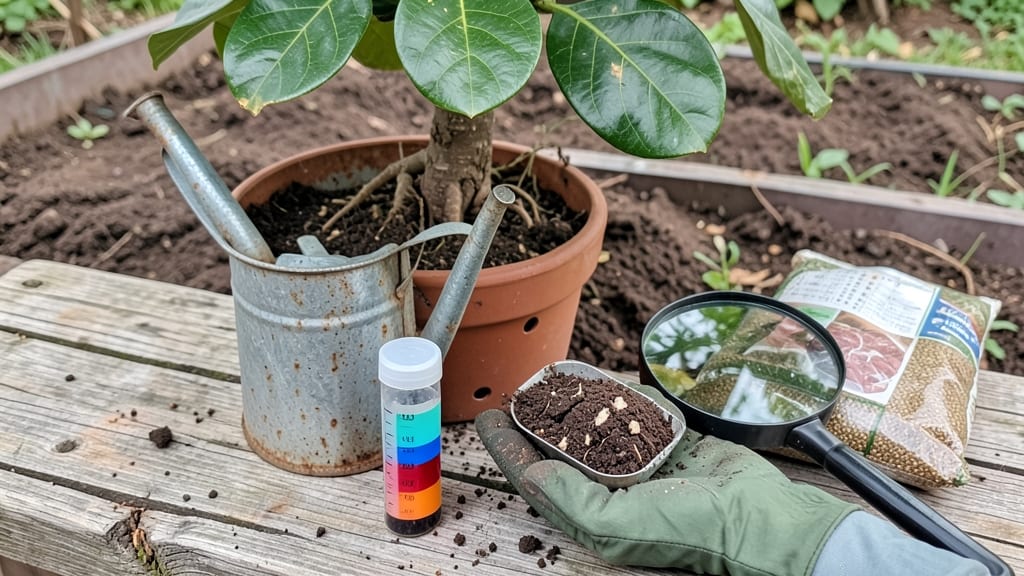
Your avocado tree’s leaves turning yellow scream for help—often louder than you realize. 🌿 The good news? Most cases come down to fixable issues like overwatering, nutrient starvation, or hidden pests.
I’ve nursed back more than a dozen trees with these exact steps, and the results speak for themselves: vibrant green foliage within weeks. The first clue is where the yellowing starts—edges or veins?
That tells you whether it’s water stress, magnesium deficiency (common in avocado soil), or even root rot hiding below. My trees always bounce back once I adjust watering or add a balanced fertilizer, but the key is acting before the leaves turn crispy and fall.
You’ll restore that lush, healthy look by testing soil moisture, checking for pests, and feeding with the right nutrients. The process is simpler than you’d think—no fancy tools required. I’ll walk you through the exact steps that work, whether your tree is in a pot or planted in the ground.
For stubborn cases or fast-spreading yellowing, I’ll tell you when to call in a pro. But in most situations, you’ll have this under control in under an hour with just a few targeted fixes.
Root causes behind yellowing leaves
When your avocado tree’s leaves start turning yellow, it’s often a cry for help from the plant itself. Understanding the root causes—literally and figuratively—can save your tree from stress or worse. Yellowing leaves (a condition called chlorosis) rarely happen in isolation; they’re usually symptoms of deeper issues.
Below, we break down the most common triggers, backed by science, so you can diagnose and act fast.
Avocado trees are drought-tolerant natives of arid regions, but excess moisture is their nemesis. When roots sit in soggy soil for too long, they suffocate, starving the tree of oxygen and nutrients. This leads to:
- Root rot: Fungal pathogens like Phytophthora thrive in waterlogged conditions, blocking nutrient uptake.
- Nutrient leaching: Overwatering flushes essential minerals (like nitrogen, potassium, and magnesium) out of the root zone.
- Yellowing between veins: A classic sign of iron deficiency, which worsens when roots can’t access oxygen.
Actionable fix: Let the top 2–3 inches of soil dry out between waterings. If your tree is in a pot, ensure it has drainage holes. For in-ground trees, consider raised beds or sand amendments to improve aeration.
Yellowing leaves often signal a lack of key nutrients, each with distinct patterns:
| Nutrient | Symptoms | Cause | Quick Fix |
|---|---|---|---|
| Nitrogen (N) | Pale yellow leaves, starting at the older leaves (bottom of the tree). | Fast-growing trees deplete nitrogen quickly, or soil may be naturally poor (common in sandy soils). | Apply a balanced fertilizer (e.g., 10-10-10) in early spring. Use compost tea for organic boosts. |
| Magnesium (Mg) | Yellowing between veins (interveinal chlorosis), often on mature leaves first. | Poor soil structure (clay or compacted soil) locks out magnesium. Avocados need 4–6 ppm in leaves. | Spray leaves with Epsom salt solution (1 tbsp/gallon) every 2 weeks. Soil test to confirm deficiency. |
| Iron (Fe) | Bright yellow leaves with green veins, often on new growth. Worst in alkaline soils (pH > 7.0). | Alkaline soil binds iron, making it unavailable. Avocados thrive in slightly acidic to neutral soil (pH 6.0–7.0). | Apply chelated iron (e.g., iron sulfate) or lower soil pH with elemental sulfur (1 lb per 100 sq ft). |
| Zinc (Zn) | Yellowing on young leaves with possible stunted growth or distorted shapes. | Coarse or high-pH soils limit zinc uptake. Critical for enzyme function. | Use a zinc sulfate spray (0.2%) or add zinc-rich amendments like bone meal. |
Pro tip: 💡 Soil tests are your best friend. Send a sample to a lab (costs ~$20–$50) to pinpoint exact deficiencies before guessing. Avocados often need micronutrients like manganese and copper too!
Avocado trees are sun-lovers, but too much direct heat—especially in hot climates like California or Australia—can scorch leaves. Look for:
- Yellowing or brown crispy edges on leaves exposed to intense afternoon sun.
- Leaf drop during heatwaves (temperatures above 95°F (35°C)).
- Wilting despite moist soil (a sign of transpirational stress).
Actionable fix:
- Provide afternoon shade (30–50% shade cloth) during peak summer months.
- Mulch heavily (3–4 inches of wood chips) to insulate roots and retain moisture.
- Avoid overhead watering in heat—use drip irrigation to keep foliage dry.
Not all yellowing is nutrient-related—pests and diseases can drain your tree’s vitality:
- Spider mites: Tiny yellow dots (stippling) on leaves, paired with fine webbing. They suck cell sap, causing chlorosis.
- Scale insects: Sticky residue (honeydew) on leaves, followed by sooty mold (black fungal growth).
- Root-knot nematodes: Microscopic worms that gall roots, reducing water/nutrient absorption.
- Fungal leaf spots (e.g., Phyllosticta): Yellow rings or patches with dark borders.
Actionable fix:
- 🔥 Blast pests off with a strong jet of water, then treat with neem oil or insecticidal soap.
- 🌡️ Monitor soil temperature: Nematodes thrive in warm soil (>80°F/27°C). Solarize soil in summer by covering it with clear plastic for 4–6 weeks.
- 🎯 Prune infected leaves and sterilize tools with rubbing alcohol to prevent spread.
Yellowing leaves are rarely a death sentence—but they are a warning. Start by ruling out the most common causes (overwatering, nutrient gaps, or pests) before diving into deeper diagnostics. Most avocado trees bounce back quickly when given the right care. 🌿
How to Revive Your Avocado Tree
When your avocado tree’s leaves start turning yellow, acting fast can save your plant from further stress. Below are targeted solutions for each common cause, along with simple prevention tips to keep your tree thriving.
Yellowing leaves from excess moisture are often the result of soggy roots. Avocado trees hate "wet feet"—too much water suffocates roots and invites fungal diseases.
Fix it:
- 🔥 Reduce watering immediately – Let the top 2–3 inches of soil dry out completely before watering again.
- 🍳 Improve drainage – If your pot lacks drainage holes, repot your tree in a container with holes or add a layer of gravel at the bottom.
- 👨🍳 Check soil moisture – Stick your finger in the soil; if it’s damp past 2 inches, hold off on watering.
Prevention:
- ✨ Use well-draining soil – Mix potting soil with perlite or sand (1:1 ratio) for better aeration.
- 🌡️ Water deeply but less often – Avocado trees prefer drought-like conditions over soggy soil.
Yellow leaves can signal a lack of essential nutrients. Avocado trees need balanced care to stay lush and green.
Fix it:
- 📊 Test your soil – A simple at-home soil test kit can reveal deficiencies.
- 💪 Fertilize correctly –
- Nitrogen (for green growth): Use a balanced fertilizer (like 10-10-10) every 2–3 months in spring/summer.
- Potassium (for leaf health): Apply a potassium-rich fertilizer (like banana peel tea or wood ash) if edges turn yellow.
- Magnesium (for yellow patches): Sprinkle Epsom salt (1 tbsp per gallon of water) monthly to replenish magnesium.
- 🥗 Boost organic matter – Compost or worm castings improve soil fertility naturally.
Prevention:
- 🎯 Avoid over-fertilizing – Too much fertilizer burns roots; follow package instructions.
- 🔥 Flush soil annually – Run water through the soil to prevent salt buildup from fertilizers.
Pests and diseases weaken your tree, causing yellowing leaves as they sap nutrients.
Fix it:
- 🔪 Inspect leaves closely – Look for webbing (spider mites), sticky residue (scale), or black spots (fungus).
- 🍎 Treat pests naturally –
- Spider mites: Spray with neem oil or insecticidal soap weekly until gone.
- Scale insects: Wipe off with a damp cloth or use horticultural oil.
- 🌿 Prevent fungal spread – Remove infected leaves and treat with copper fungicide if needed.
Prevention:
- 💡 Quarantine new plants – Keep them separate for a few weeks to spot pests early.
- 🌡️ Maintain airflow – Prune dense foliage to reduce humidity and fungal risk.
Avocado trees are tropical and sensitive to sudden changes. Yellow leaves may appear if they’re too hot, cold, or exposed to harsh winds.
Fix it:
- 🔥 Adjust sunlight – Move your tree to a spot with morning sun and afternoon shade (6+ hours of light daily).
- 🍳 Protect from drafts – Keep indoor trees away from AC vents or cold windows.
- 👨🍳 Shield from wind – If outdoors, place near a windbreak or use a mesh screen.
Prevention:
- ✨ Gradually acclimate – If moving your tree, do it over a week to avoid shock.
- 🌡️ Monitor temperature – Keep indoors above 50°F (10°C); avoid sudden drops.
Pro Tip: 💡 Yellow leaves on older growth? It’s often natural aging—prune them to encourage new, healthy foliage. Yellow on new leaves? Act fast—it’s usually a nutrient or water issue!
Frequently asked questions
Why do my avocado tree's leaves turn yellow in patches?
Patchy yellowing usually signals a nutrient deficiency or pest damage. If you see yellow between veins, it’s likely magnesium deficiency—try spraying leaves with Epsom salt solution (1 tbsp/gallon). For patches with brown spots, check for spider mites or fungal leaf spots and treat with neem oil or fungicide.
Can overwatering cause yellow leaves on my potted avocado tree?
Avocado trees hate soggy soil. Overwatering suffocates roots, leading to yellowing leaves and root rot. Let the top 2-3 inches of soil dry completely between waterings, and ensure your pot has drainage holes. If the soil stays damp for days, you’re likely overwatering.
How do I tell if my avocado tree needs fertilizer?
Look for these signs: pale yellow leaves (nitrogen deficiency), yellow between veins (magnesium), or stunted growth (zinc). Test your soil first—avocados thrive with a balanced fertilizer (like 10-10-10) applied every 2-3 months in spring/summer. Avoid fertilizing in winter when growth slows.
Will pruning yellow leaves help my avocado tree?
Yes! Pruning removes stressed foliage, allowing the tree to focus energy on healthy growth. Trim yellow leaves with clean shears, but avoid cutting more than 20% of the canopy at once. This works best for older leaves—new leaves turning yellow need immediate attention (check water/nutrients first).
How long does it take for avocado tree leaves to recover?
With proper care, you’ll often see improvement in 2-4 weeks. Fix the root cause first (water, nutrients, or pests), then maintain consistent care. For severe cases (like root rot), recovery may take 2-3 months