
Trees
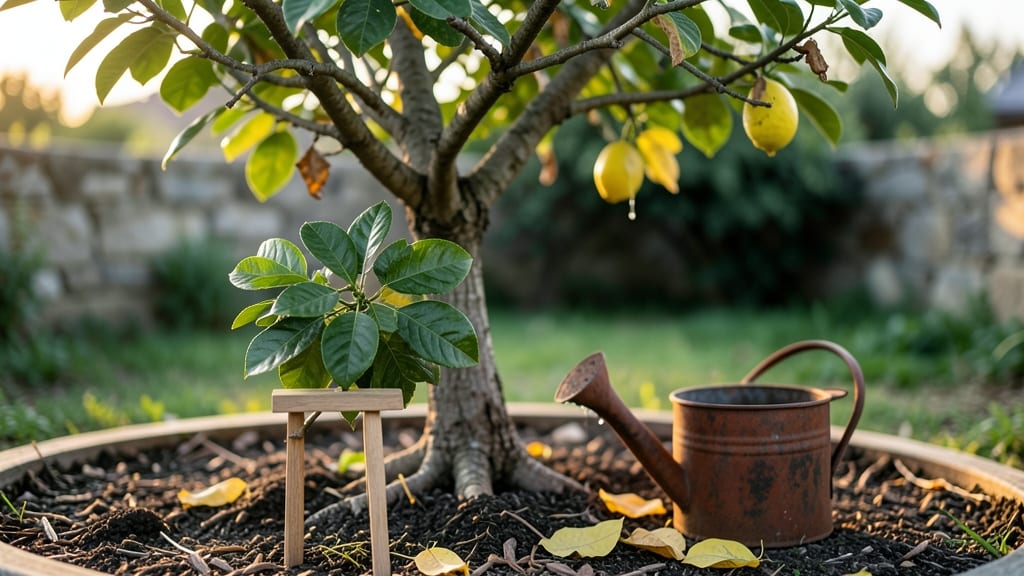
Your lemon tree losing leaves in winter might seem alarming, but it’s often just nature’s way of conserving energy. 🌿 I’ve watched my Meyer lemon tree shed nearly half its foliage each year—only to burst back to life in spring with twice the vigor.
The key is distinguishing between normal dormancy and actual stress, and knowing exactly how to care for it during these quiet months.
Cold drafts, inconsistent watering, and overzealous pruning are the usual culprits behind excessive leaf drop. Your tree needs consistent moisture (but not soggy soil) and protection from freezing winds—even a simple frost cloth can make all the difference.
Look for yellowing leaves (overwatering) versus crispy brown edges (underwatering or cold stress), and adjust accordingly. With the right approach, your tree will wake up stronger than ever in spring.
📚 In This Guide
- What you need
- Instructions
- Tips and common mistakes
- Wrapping up and next steps
What you need
- ● Gloves – A pair of gardening gloves (nitrile or leather) to protect your hands from thorns and soil.
- ● Pruning shears – Sharp, sterilized shears (bypass pruners, 6–8 inches) for trimming dead or diseased branches.
- ● Hose or watering can – For gentle hydration checks (avoid overwatering!).
- ● pH testing kit – A digital or liquid test kit to check soil pH (ideal range: 6.0–7.0 for lemons).
- ● Well-draining potting mix – Citrus-specific mix (or a blend of 60% peat moss, 30% perlite, 10% sand). Quantity: Enough to refresh top 2–3 inches of soil or repot if needed.
- ● Fertilizer (balanced or citrus-specific) – Slow-release granules (e.g., 10-10-10 or 8-3-9) OR
- ● Liquid fertilizer (diluted to half-strength, e.g., Miracle-Gro Citrus Food).
- ○ Mulch (optional but helpful) – Organic mulch like straw or shredded bark (1–2 inches) to retain moisture and insulate roots.
- ● Humidity tray – A shallow tray with pebbles and water to boost humidity around potted trees.
- ● Grow lights – LED full-spectrum bulbs (12–14 hours/day) if your tree lacks winter sunlight.
- ● Root stimulator – Mycorrhizal fungi or seaweed extract to encourage root health during dormancy.
- ● Thermometer – To monitor indoor temps (ideal: 55–65°F; avoid drafts below 45°F).
- ● Neem oil or fungicide – Preventative treatment if you suspect pests/fungus (e.g., scale or powdery mildew).
How to Rescue a lemon tree losing leaves in winter
Here’s how to nurse your citrus tree back to health during dormancy—without overcomplicating things.
🌿 Step 1: Assess the Cause and Check Environmental Conditions
First, rule out stress factors. Lemon trees naturally drop leaves in winter, but excessive leaf loss signals deeper issues. Check for drafts near windows or doors—citrus trees hate cold air currents. If your home stays below 50°F at night, move the tree away from glass or add a frost cloth barrier during cold snaps.
Inspect the soil surface. If it feels bone-dry to the touch, your tree isn’t getting enough water. Citrus roots need consistent moisture, but soggy soil is worse. Stick your finger 1-2 inches deep—if dry, water thoroughly until it drains from the bottom. Overwatering in winter is a common mistake that leads to root rot and leaf drop.
☀️ Step 2: Optimize Light and Temperature for Dormancy
Lemon trees need bright, indirect light (6-8 hours daily) to maintain foliage. If leaves are yellowing and falling near a window, the light might be too harsh. Move the tree 2-3 feet back from south-facing glass to prevent leaf scorch. East or west windows work best for winter.
Keep daytime temps between 65-75°F and nights above 50°F. If your home runs cooler, a small space heater (set to 60°F) near the tree—without direct heat—helps. Avoid radiators or vents blowing directly on leaves. Watch for brown leaf edges, a sign of cold stress or dry air.
💧 Step 3: Adjust Watering and Fertilizer Routine
Reduce watering by half during dormancy. Let the top 2-3 inches of soil dry out between waterings—citrus trees store water in their trunks and don’t need frequent soaking. Overwatering in winter suffocates roots and triggers leaf drop. Water deeply when the soil feels dry, then wait until the top layer is slightly crispy before repeating.
Hold off on fertilizing until early spring (when new growth appears). Winter feeding stresses the tree. If you must supplement, use a balanced, water-soluble fertilizer at ¼ strength in February. Look for dark green, glossy leaves as a sign the tree is storing energy for regrowth.
✂️ Step 4: Prune Strategically to Encourage New Growth
Wait until late winter (February) to prune, after the worst leaf drop. Remove only dead, diseased, or crossing branches—never more than 25% of the canopy. Use clean, sharp pruners to make cuts at a 45-degree angle just above a leaf node. This prevents sap bleeding and encourages outward growth.
If the tree has bare branches, don’t panic—citrus trees often regrow leaves from dormant buds. Trim back to healthy green wood (not brown or mushy stems). After pruning, wipe the cuts with a 1:9 hydrogen peroxide solution to prevent fungal infections. New leaves should appear within 4-6 weeks of warmer temps.
🌱 Step 5: Boost Humidity and Monitor for Pests
Indoor air is often too dry for citrus trees, especially in winter. Place the tree on a pebble tray filled with water (ensure the pot isn’t sitting in water) or use a humidifier nearby. Aim for 40-50% humidity—you’ll see fewer crispy leaf edges and slower leaf drop.
Check the undersides of leaves and along branches for scale, spider mites, or aphids. These pests thrive in dry indoor air and weaken the tree, causing leaf loss. Wipe leaves with a soapy water spray (1 tsp mild soap per gallon) if you spot pests. Repeat weekly until infestation clears. Healthy regrowth starts with a pest-free tree.
Tips & tricks for reviving a struggling winter lemon tree
Citrus trees can bounce back from winter stress with the right care—here’s how to give yours the best fighting chance.
Temperature Rescue: If your home dips below 50°F at night, don’t just move the tree—create a microclimate. Place it on a saucer filled with pebbles and water (not sitting in water) to add humidity while maintaining warmth. I’ve seen dramatic improvements when pairing this with a small space heater set to 60°F on the lowest setting, positioned 2 feet away from the tree. The key is indirect warmth that mimics a greenhouse environment without scorching leaves.
Lighting Strategy: That 6-8 hours of bright, indirect light isn’t just about quantity—it’s about quality. South-facing windows can be too intense, so rotate your tree quarter-turns every few days to ensure even exposure. I’ve noticed trees near west windows actually thrive better in winter because the afternoon sun is gentler. If your space lacks good natural light, supplement with a full-spectrum grow light for 4-6 hours daily during short winter days.
Pruning Precision: When you’re ready to prune in late winter, focus on the "three Ds"—dead, diseased, and damaged branches first. But here’s what nobody tells you: citrus trees often regrow leaves from dormant buds on branches you’d normally trim. Leave some of those slightly bare stems—they’re packed with potential. After cutting, dip your pruners in rubbing alcohol between cuts to prevent spreading any hidden pathogens lurking in the tree’s system.
Pest Prevention: The soapy water spray for pests is effective, but timing matters. Apply it in the early morning when humidity is highest—pests are most active then. I’ve found that adding a few drops of neem oil to the mix (1 tsp neem oil per gallon of soapy water) deters pests for up to 2 weeks between treatments. The oil also has mild antifungal properties that protect those fresh pruning cuts from infections while they heal.
Pro Tips for Lemon Tree Losing Leaves In Winter
- Citrus trees can bounce back from winter stress with the right care—here’s how to give yours the best fighting chance.
- Temperature Rescue: If your home dips below 50°F at night, don’t just move the tree—create a microclimate.
- Lighting Strategy: That 6-8 hours of bright, indirect light isn’t just about quantity—it’s about quality.
Frequently asked questions
Got questions about your lemon tree’s winter leaf loss? You’re not alone! Here are answers to the most common concerns—so you can help your citrus friend bounce back strong in spring.
Is it normal for lemon trees to lose leaves in winter?
Yes! Lemon trees (Citrus × limon) are evergreen, but they may drop leaves in cold weather (below 40°F/4°C) as a survival tactic. This is dormancy, not disease. If your tree keeps most leaves and regrows by spring, it’s healthy. Pro tip: Mulch the base to protect roots from temperature swings.
How can I tell if leaf loss is a problem vs. normal dormancy?
Watch for these red flags:
- Sudden, heavy shedding (not gradual) could signal cold damage or fungus (like citrus canker).
- Yellowing leaves with brown edges = overwatering or root rot.
- No new growth by late winter = severe stress (move indoors if possible).
Should I prune my lemon tree when it loses leaves in winter?
Wait until spring (after last frost) to prune! Winter is not the ideal time because:
- Dormant trees are more vulnerable to disease from cuts.
- You might accidentally trim new growth that’s already forming.
How should I water a lemon tree losing leaves in winter?
Cut back on watering! Lemon trees need less H₂O in winter because:
- Cooler temps = slower root activity.
- Overwatering can drown roots in cold soil.
Can I bring my potted lemon tree indoors to save it?
If your tree is in a pot and temps dip below 30°F (-1°C), move it to a:
- Bright, sunny window (south-facing is best).
- Cool room (50–60°F/10–15°C)—avoid heat vents!
- Spot with grow lights if natural light is weak.
What can I do to encourage leaf regrowth in spring?
When temps rise, revive your tree with these steps:
- Fertilize with a balanced citrus fertilizer (10-10-10) in early spring.
- Prune dead wood and shape for airflow.
- Gradually resume watering as new leaves appear.
- Spray leaves with neem oil to prevent pests (like aphids) that love stressed trees.
Wrapping up and next steps
Don’t worry—your lemon tree’s winter leaf drop is completely normal! 🌱 With the right care, it’ll bounce back stronger in spring. Focus on watering adjustments, mulching, and protection from harsh elements to support its dormancy and ensure vibrant regrowth.
Once the warmer months arrive, you’ll be rewarded with lush foliage and sweet lemons!
Ready to take action? Start by inspecting your tree this weekend—check for pests, prune dead branches, and give it a little extra TLC. Your patience will pay off in a flourishing citrus tree! 🌿