
Pruning
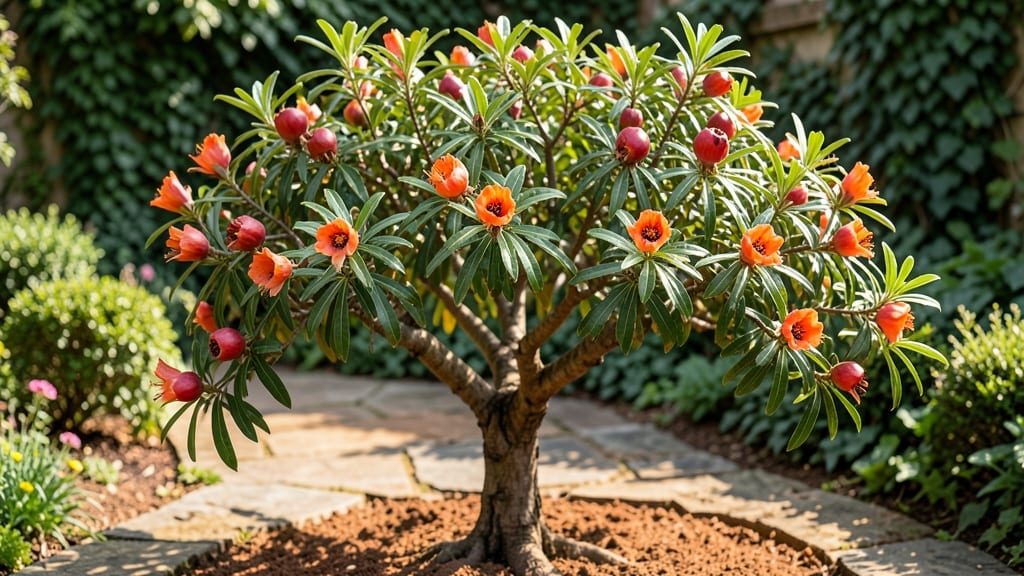
To grow pomegranate trees in North Carolina, choose cold-hardy varieties like Wonderful or Eversweet, which thrive in USDA zones 7-10 with winter protection. Plant them in well-draining soil with full sun exposure and prune annually for best fruit production and winter survival.
North Carolina's mild winters and hot summers create ideal conditions for pomegranate trees, but selecting the right variety is key. 🌿 The Wonderful variety is a top choice because it handles NC's occasional frost better than others, while Eversweet offers sweeter fruit with slightly better cold tolerance.
Planting in late fall gives roots time to establish before winter, and using thick mulch around the base can protect roots from freezing temperatures. These trees reward patience with vibrant blooms and juicy fruit that's perfect for fall harvests.
For best results, I recommend planting your pomegranate tree in a spot with at least 6-8 hours of direct sunlight daily and soil that drains well to prevent root rot. The first year is critical—focus on establishing strong root growth before expecting significant fruit production.
In NC's zone 7 areas, you might need to wrap the trunk with burlap or use frost blankets during unexpected cold snaps below 20°F. With proper care, these trees can live for decades and produce fruit reliably.
💡 In This Article
- Cold-Hardy Pomegranate Varieties for NC Climates
- Planting and Winterizing Pomegranate Trees in NC
Cold-hardy pomegranate varieties for NC climates
North Carolina's climate—with its hot summers and occasional winter dips below 20°F—demands pomegranate varieties that can handle both heat and cold stress. The key lies in their chilling requirements and frost tolerance.
Most pomegranates need 200-300 hours of chilling below 45°F to set fruit properly, but NC's zone 7-8 winters often provide just enough. Varieties like Wonderful and Eversweet excel because their genetic makeup includes traits from cold-tolerant Mediterranean strains, allowing them to survive brief freezes while still producing fruit. 🌱
Let's compare the top three varieties for NC growers: Wonderful (the most widely grown) has deep red, juicy arils and tolerates 15°F with proper protection, but its skin is thicker and less sweet. Eversweet, a hybrid, offers sweeter, seedless arils and handles 18°F better, making it ideal for NC's more temperate winters. Mollar de Elche, while less cold-hardy (23°F limit), produces larger fruit with thinner skins—perfect for warmer microclimates like the coastal plains.
The trade-off? It requires more winter care in inland areas.
What makes these varieties thrive in NC isn't just cold tolerance—it's their root structure. Pomegranates have deep taproots that seek moisture, which helps them survive droughts common in NC summers. However, their shoot growth is sensitive to late frosts (28-32°F), which can damage blossoms.
This is why timing your planting matters: fall-planted trees establish roots before winter, while spring plantings risk early-season frost damage. The right variety paired with smart planting timing maximizes your chances of success.
Here's what you'll notice with each variety in NC's climate:
- Wonderful: Dark red arils, tart-sweet balance, needs 200+ chill hours, handles 15°F with protection
- Eversweet: Sweeter, seedless arils, 250+ chill hours, tolerates 18°F better
- Mollar de Elche: Largest fruit, thin skin, 300+ chill hours, 23°F limit
One often-overlooked factor is how these trees respond to NC's humidity. Pomegranates are native to arid climates, so high humidity can promote fungal diseases like powdery mildew. Varieties like Eversweet show slightly better resistance because their genetic background includes disease-resistant strains from Iran and Turkey.
If you're in NC's eastern regions (higher humidity), consider spacing trees 10-12 feet apart for airflow and applying copper fungicide preventatively in spring.
The best choice depends on your specific microclimate. Inland areas (like the Piedmont) with colder winters should prioritize Eversweet or Wonderful, while coastal regions can experiment with Mollar de Elche for larger fruit.
All varieties benefit from full sun exposure (6+ hours daily) and well-draining soil with a pH between 6.0-7.5—NC's native sandy loam often needs amendments like compost to retain moisture without becoming waterlogged. 🌞