
Pruning
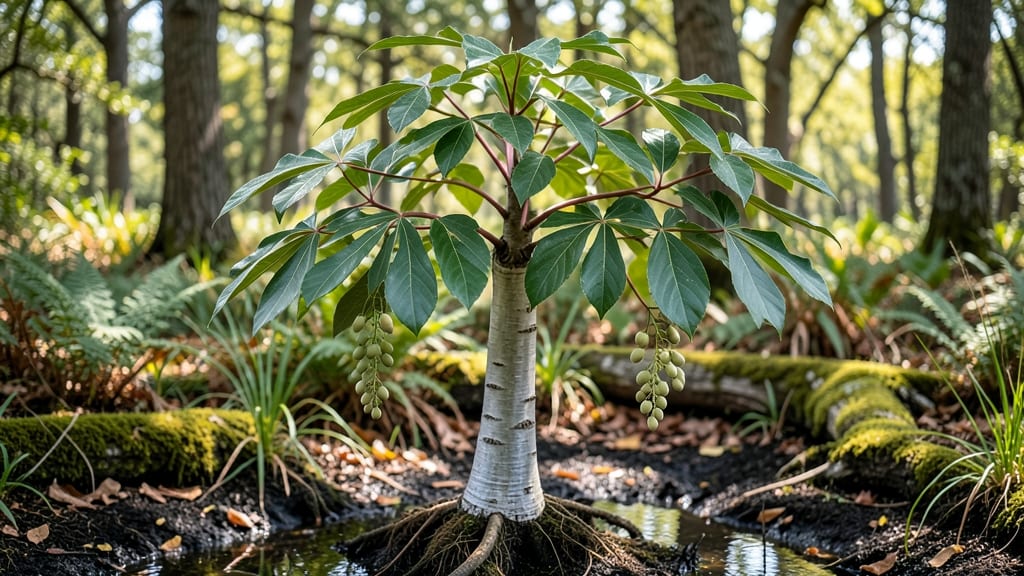
Poison sumac tree bark contains toxic urushiol oil, just like its leaves and stems, causing severe skin irritation, rashes, or blisters upon contact. Identifying its smooth gray bark and clustered berries is critical to avoiding exposure in wooded areas or gardens.
Recognizing poison sumac isn't just about spotting its distinctive smooth gray bark—it's about understanding the whole plant's warning system. 🔥 The white berries in drooping clusters and compound leaves with 7-13 pointed leaflets create a visual red flag that sets it apart from harmless sumac varieties.
Unlike its lookalikes, poison sumac's bark remains toxic year-round, even when the leaves fall, making it dangerous during all seasons.
This urushiol oil isn't just confined to leaves—it's embedded in the bark's outer layer, which means even a brush against the trunk can trigger reactions. The oil's potency means even small amounts can cause severe allergic reactions in sensitive individuals, with symptoms appearing within hours of contact.
That's why gardeners and hikers need to treat every part of the plant as hazardous.
💡 In This Article
- How to Identify Poison Sumac Bark and Leaves
- Safety Measures for Handling Poison Sumac in Gardens
How to identify poison sumac bark and leaves
The poison sumac's bark serves as a year-round warning sign with its distinctive smooth, grayish-brown texture that often develops vertical streaks as the tree matures.
Unlike the rough, scaly bark of staghorn sumac or the peeling bark of smooth sumac, poison sumac's bark remains consistently smooth and thin—about 1/8-inch thick—making it particularly vulnerable to urushiol oil exposure when scratched or broken. 🌿 This oil isn't just on the surface; it's embedded in the bark's cellular structure, meaning even a minor brush against the trunk can release microscopic particles that cling to skin or clothing.
The tree's compound leaves are another critical identifier, featuring 7-13 elongated, pointed leaflets arranged in pairs along a central stem, with the final leaflet typically larger.
These leaflets have serrated edges and measure about 3-6 inches long, creating a feathery appearance that contrasts sharply with the glossy green of poison ivy leaves.
What makes them particularly dangerous is their persistent toxicity—even dead leaves retain urushiol for years, so fallen debris should never be handled without protection.
Poison sumac's berries offer a third visual clue: white, waxy fruits that grow in drooping clusters of 1-3 inches, resembling tiny teardrops. These berries appear in late summer and persist through winter, providing a year-round identifier.
Unlike the red or orange berries of harmless sumac varieties, poison sumac berries remain white and are highly toxic when crushed or ingested by wildlife, spreading the urushiol oil through ecosystems. 🍎 The combination of these three features—smooth bark, compound leaves, and white berries—creates a unique visual signature that distinguishes poison sumac from all other sumac species.
When comparing poison sumac to its non-toxic relatives, the differences become clear in both structure and habitat. Staghorn sumac, for example, has hairy stems and reddish-brown bark with prominent ridges, while smooth sumac features peeling bark that reveals a lighter underlayer.
Poison sumac thrives in wet, swampy areas, often near streams or ponds, where its roots can tolerate waterlogged soil—a key ecological clue that helps distinguish it from drier-land sumac species. This habitat preference explains why it's commonly found in floodplains and marshes, where accidental contact is more likely.
The urushiol oil's persistence in poison sumac bark makes it particularly insidious. Unlike some plants where toxins degrade over time, poison sumac's bark remains hazardous even after the tree is dead or burned, as the oil can vaporize at temperatures as low as 160°F.
This means that smoke from burning poison sumac can cause respiratory irritation, making improper disposal methods especially dangerous. Understanding these chemical properties helps explain why even indirect exposure—like touching tools used to cut the tree—can trigger allergic reactions.
For gardeners and hikers, recognizing these visual patterns is essential for prevention. The 7-13 leaflet rule serves as a quick mental checklist: if a sumac has an odd number of leaflets, it's likely poison sumac.
Pairing this with the smooth gray bark and white berries creates a reliable identification system that minimizes the risk of accidental contact. 🚨 The key takeaway is that no part of the poison sumac tree should be considered safe—from the bark's outer layer to the roots—making thorough identification your first line of defense.