
Propagation
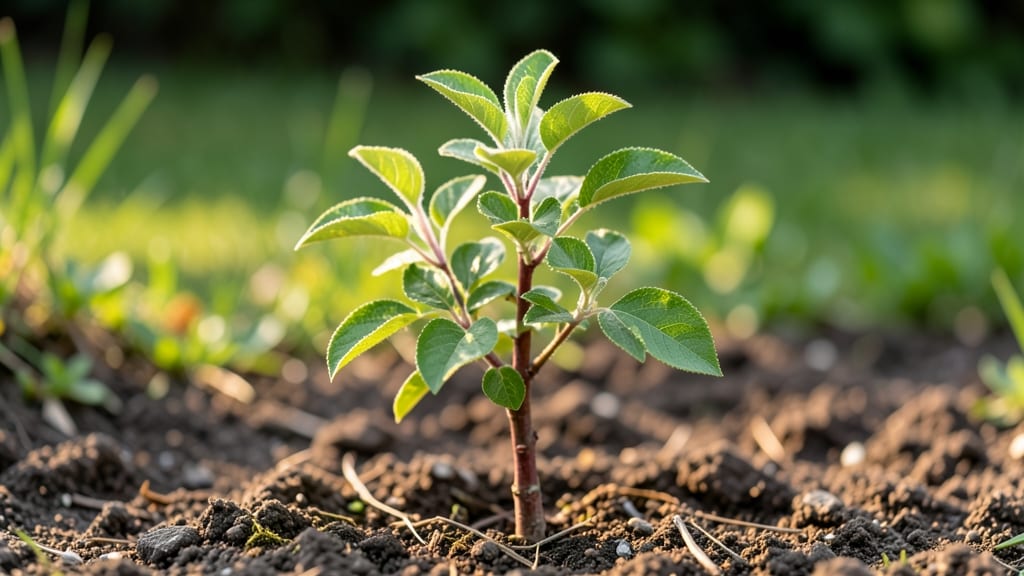
Growing a Pink Lady apple tree from seed starts with patience and a handful of tiny surprises hidden inside store-bought fruit. 🌱 The seeds you save from a Pink Lady apple won't produce identical fruit—apple seeds grow into seedlings with unpredictable traits—but the journey of nurturing a young tree from scratch is incredibly rewarding.
What you will get is a sturdy, disease-resistant tree with its own unique character, and with the right care, it might even produce delicious apples someday.
The process begins with seed selection: choose plump, firm seeds from organic apples (conventional apples often have treated seeds that won't sprout). After a cold stratification period to mimic winter, you'll watch those seeds sprout in just a few weeks.
The real magic happens when you transplant the seedlings into nutrient-rich soil and give them full sun—where they'll grow into strong saplings ready for their first winter outdoors. It's not about cloning Pink Ladies, but about growing a tree that carries their sweet, blushing heritage.
By year three, your seedling could stand over three feet tall, with branches sturdy enough to support future fruit. The leaves will be glossy and vibrant, and with proper pruning, you'll encourage a strong structure.
While the apples won't be true Pink Ladies, the tree itself will be hardy and full of potential—maybe even producing its own unique variety of crisp, flavorful fruit. The real payoff? A tree you grew from the ground up, with roots that run deep in your own backyard.
Fair warning: this isn't a fast process, and the fruit may never match the parent tree. But the satisfaction of growing a tree from seed—knowing you're nurturing something that could one day bear fruit—makes every season of waiting worthwhile.
For true Pink Lady apples, grafting is the way to go, but the seed-grown tree becomes a living piece of your gardening story. Ready to plant those seeds and start the journey?
📚 In This Guide
- What you need
- Instructions
- Tips and common mistakes
- Wrapping up and next steps
What you need
- ● Pink Lady apple seeds: 3–5 fresh, viable seeds (harvested from a certified Pink Lady apple for best results). 💡 Pro tip: Store seeds in a cool, dry place until ready to plant!
- ● Seed-starting mix: 1–2 gallons of high-quality, sterile potting soil (look for a blend labeled for seedlings or seed-starting).
- ● Small seed trays or pots: 4–6 biodegradable or plastic pots (3–4 inches deep) or a seed tray with individual cells.
- ● Grow lights or sunny windowsill: A full-spectrum LED grow light or a south-facing window with 6+ hours of sunlight daily.
- ● Spray bottle: For gentle watering (avoid over-saturating seeds!).
- ● Plastic wrap or humidity dome: To create a mini greenhouse effect while seeds germinate.
- ● Labels & marker: To track seed varieties and planting dates.
- ● Heating mat: Speeds up germination (set to 70–75°F).
- ● Fertilizer: A balanced, water-soluble fertilizer (e.g., 10-10-10) for young seedlings.
- ● Pruning shears: For trimming leggy seedlings later on.
- ● Compost or worm castings: To boost soil nutrition once seedlings are established.
- ● Garden journal: To log growth milestones and troubleshoot challenges.
Step-by-step guide to growing a Pink Lady apple tree from seed
Here's how to nurture those tiny seeds into a thriving tree with sweet pink-blushed fruit.
🌱 Step 1: Extract and Prepare the Seeds
Start with fresh Pink Lady apples—older seeds germinate poorly. Cut the fruit in half and scoop out the seeds, then rinse them thoroughly to remove any remaining fruit pulp. I like to spread them on a paper towel to dry for 24 hours at room temperature. This prevents mold and makes handling easier.
Store the dried seeds in a sealed container in the refrigerator for 3-4 months to complete stratification. This cold period mimics winter conditions and breaks seed dormancy. Without it, your seeds might take months—or never—sprout. Mark the container with the date so you don't forget!
💧 Step 2: Germinate the Seeds Indoors
After stratification, fill a small container with moistened potting mix (not garden soil) and plant the seeds ½ inch deep, spacing them 1 inch apart. I use a seed-starting tray with a clear lid to maintain humidity. Keep the mix consistently moist—not soggy—by misting lightly every 2-3 days until germination.
Place the container in a warm spot (65-75°F) with indirect light. Germination can take 4-8 weeks, so patience is key. You'll see the first true leaves emerge when the seedlings are about 2 inches tall. This is your cue to remove the lid and transition to brighter light.
☀️ Step 3: Transplant Seedlings for Growth
Once seedlings have 3-4 true leaves, transplant them into 4-inch pots with fresh potting mix. Handle the roots gently—apple seedlings are delicate. I use biodegradable pots to avoid disturbing roots later. Place the pots in a sunny window or under grow lights for 14-16 hours daily to prevent leggy growth.
Water deeply when the top inch of soil feels dry, but avoid overwatering. Yellowing leaves signal too much moisture, while crispy edges mean it's time to water. Fertilize lightly with a balanced liquid fertilizer (10-10-10) every 4-6 weeks to encourage strong root development.
🪴 Step 4: Acclimate and Plant Outdoors
When seedlings reach 12-18 inches tall and outdoor temperatures stay above 50°F at night, it's time to plant them outside. Choose a location with full sun and well-draining soil. Dig a hole twice as wide as the root ball but only as deep as the pot. Gently remove the seedling and place it in the hole, filling around it with soil.
Water thoroughly after planting to settle the soil. Mulch around the base with 2-3 inches of organic mulch to retain moisture and regulate soil temperature. Apple trees need space to grow, so plant them 20-25 feet apart if you're aiming for a full-sized tree.
⏰ Step 5: Care for Long-Term Growth
Young trees need consistent care to thrive. Water deeply once a week during dry spells, ensuring the soil stays moist but not waterlogged. Prune in late winter to remove dead or crossing branches, and thin out excess growth to encourage stronger structure. Apple trees are self-pollinating, but planting a second variety nearby can improve fruit set.
Fruit won't appear for 5-7 years, but with patience and proper care, your Pink Lady apple tree will reward you with sweet, blushed apples. Keep an eye out for pests like aphids or codling moths, and treat them early with organic sprays if needed. Your tiny seeds are on their way to becoming a beautiful, fruitful tree!
Tips & tricks for perfect Pink Lady apple tree growth
Growing fruit trees from seed takes patience—but these insights will help you avoid common pitfalls along the way.
Stratification Secret: Don't rush the 3-4 month cold treatment! I've seen seeds sprout after just 2 months, but they often grow weak. For stronger seedlings, stick with the full period. Place your container in the fridge's crisper drawer where temperatures stay most consistent around 35-40°F. Mark the date on the container with a permanent marker so you don't forget when to move them to warmer conditions.
Germination Environment: The 65-75°F range is ideal, but your kitchen might not stay that warm. If your home runs cooler, consider using a seedling heat mat (available for under $20) to maintain consistent warmth. Place the container on a windowsill with eastern exposure for gentle morning light—western windows can get too hot and dry out the mix too quickly. That clear lid isn't just for humidity; it also helps trap heat from your home's warmth.
Transplanting Technique: When moving your 3-4 leaf seedlings to 4-inch pots, use the "knuckle method" to check soil moisture before watering. Gently press your knuckle into the soil—if it springs back, water; if it stays indented, wait another day. Apple seedlings are particularly sensitive to root disturbance, so I recommend using biodegradable pots that can go straight into the ground when transplanting outdoors. This avoids the shock of repotting later.
Outdoor Acclimation: Before planting outdoors, harden off your seedlings by placing them outside for 2-3 hours daily, gradually increasing exposure over 7-10 days. Start with morning sun only, then progress to afternoon shade, and finally full sun. Watch for wilting—this is your signal to move them back inside for another day. The 50°F nighttime minimum is crucial; if your area gets colder, wait until spring when nighttime temperatures consistently stay above this threshold.
Pro Tips for Pink Lady Apple Tree From Seed
- Growing fruit trees from seed takes patience—but these insights will help you avoid common pitfalls along the way.
- Stratification Secret: Don't rush the 3-4 month cold treatment!
- Germination Environment: The 65-75°F range is ideal, but your kitchen might not stay that warm.
Frequently asked questions
Growing a Pink Lady apple tree from seed is exciting but comes with plenty of questions! Here are answers to the most common ones to help you succeed:
How long does it take for a Pink Lady apple seed to sprout?
A Pink Lady apple seed typically takes 4–8 weeks to germinate after planting, depending on soil temperature, moisture, and seed viability. Cold stratification (chilling seeds for 4–6 weeks) can speed this up. Patience is key—some seeds may take even longer!
Will a seed-grown Pink Lady apple tree produce true-to-type fruit?
Probably not! Apple trees grown from seed are not genetically identical to the parent plant. The resulting tree may produce small, tart apples—or even none at all. For true Pink Lady fruit, grafting is the best method. Seed-grown trees are fun for experimentation but aren’t reliable for commercial or consistent harvests.
How many years until a seed-grown Pink Lady tree bears fruit?
Seed-grown apple trees usually take 5–10 years to bear fruit, if they ever do. Even then, the fruit may lack the sweetness and quality of grafted trees. If you’re impatient, consider buying a young grafted Pink Lady tree from a nursery instead.
What’s the best way to cold-stratify Pink Lady apple seeds?
Cold stratification mimics winter conditions to break seed dormancy. Mix seeds with damp peat moss or sand, place them in a sealed bag, and refrigerate for 4–6 weeks. Check periodically to ensure they stay moist but not soggy. After stratification, plant them in well-draining soil.
Why did my Pink Lady seedling die? What went wrong?
Seedlings often fail due to overwatering, poor drainage, or pests. Keep soil lightly moist, ensure pots have drainage holes, and watch for aphids or fungal issues. If leaves yellow or wilt, adjust care immediately. If the soil feels mushy, repot in fresh, well-draining mix.
Can I grow a Pink Lady apple tree indoors?
Not reliably! Apple trees need full sun (6–8 hours/day), outdoor pollination, and space to grow tall. While you can start seeds indoors under grow lights, transplant seedlings outdoors as soon as possible. A sunny balcony or greenhouse may work for dwarf varieties, but fruit production will be limited.
Wrapping up and next steps
Growing a Pink Lady apple tree from seed is a rewarding journey that blends patience, care, and a touch of magic—turning tiny seeds into a fruit-bearing tree!
While it may take years for your tree to bear those coveted blushing apples, every step is a chance to deepen your connection with nature. Once you’ve planted your seeds and nurtured your saplings, why not share your progress? Snap photos, journal your milestones, or even gift a seedling to a fellow gardening enthusiast.
The real harvest isn’t just in the fruit—it’s in the joy of watching something grow from scratch! 🌱✨
Next steps:
- Start small—plant your seeds today!
- Join gardening communities to swap tips and celebrate your progress.
- Dream big: Imagine the shade (and apples!) your tree will provide in a decade.