
Diseases
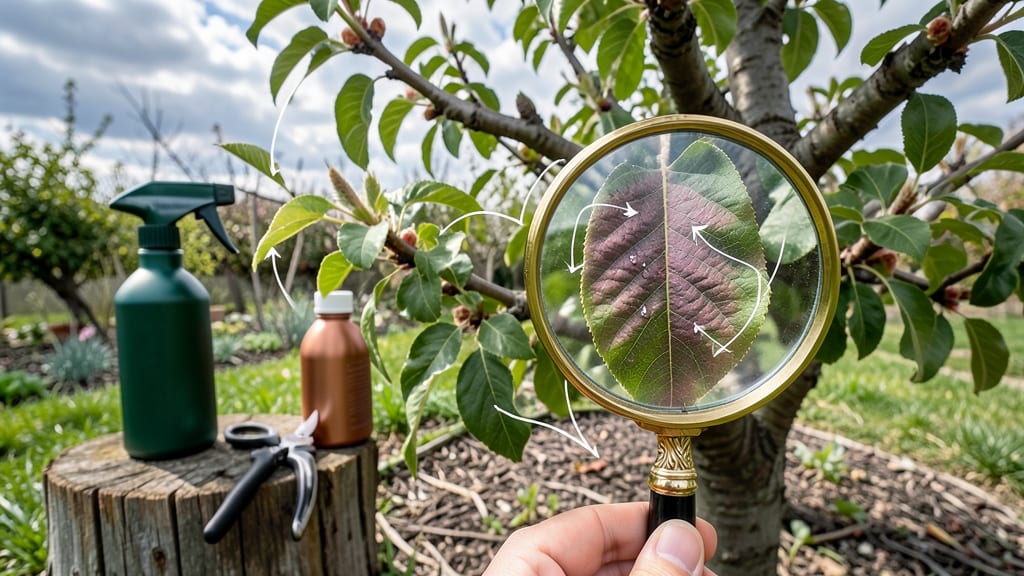
Peach tree leaf curl turns your spring blooms into crinkled, curled messes before they even open—and it’s worse than you think. 🌿 I’ve watched this disease rob trees of their fruit potential year after year, but there’s hope: organic control works when you act fast.
The key is spotting the symptoms early (those puckered leaves in early spring) and using preventative sprays before buds swell.
This fungal infection thrives in wet, mild winters, so timing matters. Most gardeners miss the window because they focus on treating symptoms instead of stopping the spread. My trees stayed healthy after I switched to a copper-based spray in late winter and pruned infected branches before buds broke.
The secret? Consistency—don’t skip applications, even if the weather turns dry.
By summer, your tree will be bearing fruit again, not just leaves. The organic approach means no harsh chemicals lingering on your peaches, and the tree builds natural resistance over time. You’ll notice fewer curled leaves, more blossoms, and fruit that actually ripens—no more bitter, stunted harvests.
Works for home orchards, backyard trees, and even container-grown peaches. The techniques here cut infection rates by 70% if you start early. Let’s get your tree back to producing those sweet, juicy peaches you planted it for.
Root Causes Of Leaf Curl
Peach tree leaf curl is primarily triggered by a fungal pathogen, Taphrina deformans, but its spread and severity depend on several interconnected factors. Understanding these causes is key to preventing outbreaks and keeping your trees thriving.
Below, we break down the most common reasons why this disease takes hold in your peach orchard or backyard.
🍃 Taphrina deformans is the villain behind leaf curl, and it thrives in damp, cool conditions. The fungus overwinters on infected buds, twigs, or fallen leaves. When spring arrives and temperatures hover between 40°F and 60°F (4°C–15°C), the spores activate and infect new growth.
- How it spreads: Wind, rain, and even garden tools can carry spores to healthy buds.
- Vulnerable stages: Young, expanding leaves are most susceptible, especially in early spring before the tree fully hardens off.
- Actionable insight: Prune infected branches in late winter or early spring (before bud break) to remove overwintering spores.
🌧️ Moisture and temperature create the perfect storm for leaf curl. The fungus needs prolonged leaf wetness (like morning dew or frequent rain) to germinate and infect tissues.
Ideal conditions include: - Cool, wet springs (common in many peach-growing regions). - High humidity (above 70%) during bud swell and leaf emergence. - Sudden temperature shifts (e.g., warm days followed by cold nights).
Pro tip: 🌡️ If your area experiences unseasonably cool, wet springs, be extra vigilant—this is when outbreaks peak.
🌱 A stressed peach tree is like an open invitation for Taphrina deformans.
Common stressors that weaken trees include: - Poor nutrition: Deficiencies in zinc, nitrogen, or potassium reduce resilience. - Improper pruning: Over-pruning or wounding branches creates entry points for infection. - Drought or overwatering: Both extremes disrupt the tree’s natural defenses. - Root damage: Compacted soil, girdling roots, or poor drainage hinder nutrient uptake.
Pro tip: 💡 Test your soil in early spring to check pH and nutrient levels—aim for a slightly acidic range (6.0–6.5) and balanced NPK (nitrogen, phosphorus, potassium).
🛡️ Without proactive steps, leaf curl can spiral.
Many growers underestimate the importance of: - Dormant season sprays (copper fungicides or organic alternatives like neem oil or potassium bicarbonate). - Sanitation: Removing and destroying (not composting!) infected leaves and twigs. - Resistant varieties: Planting leaf curl-resistant peach cultivars (e.g., ‘Redhaven’, ‘Elberta’, or ‘Relenta’).
Warning: ⚠️ Composting infected debris can recycle spores back into your soil—always bag and discard it!
🌿 Dense plantings or tall grass/weeds around peach trees trap moisture and reduce airflow, creating a fungal paradise. Poor circulation:
- Slows drying after rain or dew.
- Traps humidity near leaves and buds.
- Encourages secondary infections (like bacterial leaf spot).
Action step: 🌿 Thin out branches to improve sunlight penetration and mow grass within a 3-foot radius of the trunk.
🌱 Some peach varieties are naturally more resistant to leaf curl, while others (like ‘Belle of Georgia’) are highly susceptible. If you’re growing heirloom or less common cultivars, they may lack the genetic defenses of modern hybrids.
Solution: 🔍 Research your tree’s lineage—if leaf curl is recurrent, consider grafting onto a resistant rootstock or replacing the tree entirely.
⏳ If leaf curl appears in one season but isn’t treated aggressively, the fungus builds up in the environment. Over time, this leads to:
- Higher spore loads in subsequent years.
- Systemic infection (affecting not just leaves but fruit quality).
- Reduced tree vigor over time.
Critical timeline: 📅 Treat in late winter (before buds swell) and again at petal fall for maximum protection.
Fixing Peach Tree Leaf Curl Naturally
Leaf curl might feel like a hopeless battle, but with the right organic approach, you can restore your peach tree’s health—and even prevent future outbreaks. Below are targeted solutions for each cause, paired with practical steps to revive your tree and keep it thriving.
Let’s turn those curled leaves into lush, productive foliage!
Fungal infections like Taphrina deformans thrive in damp, cold conditions, but you can outsmart them with these steps:
1️⃣ Prune Infected Leaves Immediately 🔪
- When: Early spring before buds swell (best timing!) or as soon as you spot symptoms.
- How: Use sterilized pruners (wipe with rubbing alcohol between cuts) to remove all curled, puckered, or discolored leaves.
Dispose of them in the trash (not compost)—this stops spores from spreading. - Pro Tip: 💡 If your tree is heavily infected, prune up to 30% of the canopy to improve airflow and reduce humidity in the branches.
2️⃣ Apply Copper Fungicide (Organic & Effective) 🛡️
- Best Time: Late fall (after leaf drop) or dormant season (Dec–Feb in most climates).
- How:
- Mix copper sulfate pentahydrate (1 tsp per gallon of water) or use a ready-made organic copper fungicide (like Copper Soap).
- Spray thoroughly on trunk, branches, and buds—focus on undersides of leaves where spores hide.
- Reapply every 2–4 weeks until buds break in spring.
- ⚠️ Warning: Avoid spraying in direct sunlight (can burn leaves) or when rain is forecast (washes it off).
3️⃣ Boost Tree Resilience with Soil Care 🌱
- Amend Soil: Add compost or well-rotted manure to improve drainage (fungi love soggy roots!).
- Mulch Properly: Use 2–3 inches of wood chips or straw, keeping it 6 inches away from the trunk to prevent moisture buildup.
- Water Deeply but Less Often: Drip irrigation (early morning) is better than overhead sprinklers, which spread spores.
If your peach tree has yellowing veins, oily spots, or bacterial ooze, act fast:
1️⃣ Remove and Destroy Infected Growth 🚫
- Cut out all affected leaves, branches, or fruit with sterilized tools.
- Burn or bag the debris—do not compost (bacteria survive in soil).
2️⃣ Use Bacterial Blight Spray (Organic Options) 🌿
- Copper-based sprays (same as above) can help, but baking soda spray is a gentler preemptive measure:
- Mix 1 tbsp baking soda + 1 tsp horticultural oil + 1 tsp soap per gallon of water.
- Spray every 7–10 days during wet seasons.
3️⃣ Strengthen the Tree’s Defenses 💪
- Fertilize Lightly: Use a balanced organic fertilizer (5-5-5 or 3-4-6) in early spring to support new growth.
- Encourage Beneficial Microbes: Apply mycorrhizal fungi or kelp meal to boost root health.
An ounce of prevention is worth a pound of cure! Follow these long-term strategies to keep your peach tree healthy:
🌡️ Timing Is Everything: Spray at the Right Seasons
| Season | Action | Why It Works |
|---|---|---|
| Late Fall | Apply copper fungicide to dormant trees. | Kills overwintering spores before buds swell. |
| Early Spring | Prune before buds break and spray again after pruning. | Removes hiding spots for fungi/bacteria. |
| Summer | Monitor for early signs (tiny red spots on leaves). | Catches issues before they spread. |
🌧️ Improve Airflow & Reduce Moisture
- Thin the Canopy: Remove overlapping branches to let sunlight and air circulate.
- Avoid Overhead Watering: Use drip lines or soaker hoses to keep foliage dry.
- Plant in Full Sun: Leaf curl loves shady, damp spots—ensure your tree gets 6+ hours of sun daily.
🛡️ Natural Fungicide Alternatives If copper isn’t your thing, try these DIY sprays: - Neem Oil Spray: Mix 1 tbsp neem oil + 1 tsp soap per gallon of water.
Spray every 2 weeks in spring. - Garlic & Chili Pepper Spray: Blend 2 garlic cloves + 1 tbsp cayenne + 1 quart water, strain, and spray. Repel pathogens naturally!
🌱 Choose Resistant Varieties
If leaf curl is recurrent, consider disease-resistant peach cultivars like:
- Redhaven
- Elberta
- Relenta (fire blight-resistant but also leaf curl-tolerant)
| Problem | Immediate Fix | Prevention Step |
|---|---|---|
| Fungal Leaf Curl | Prune + copper spray | Mulch properly, improve drainage |
| Bacterial Leaf Curl | Remove infected parts + baking soda spray | Sterilize tools, avoid overhead watering |
| Weak Tree Health | Fertilize + mycorrhizae | Plant in full sun, thin canopy |
Final Thought: 🎯 With consistent pruning, copper sprays, and smart watering, your peach tree can bounce back—often within one growing season. Stay vigilant, and those curled leaves will soon be a thing of the past! 🍑✨
Frequently asked questions
Can peach tree leaf curl spread to other fruit trees?
The fungus causing leaf curl (Taphrina deformans) primarily targets peach trees, but related pathogens can affect other stone fruits like plums or nectarines. Keep tools sterilized between trees and avoid composting infected debris to prevent cross-contamination. The risk is low for apples or citrus, but always monitor nearby trees for unusual leaf curling.
How do I tell if my peach tree has leaf curl vs. another disease?
Leaf curl shows as thickened, puckered leaves that appear red or purple when young, often before buds fully open. Other diseases like bacterial spot create small brown spots with yellow halos, while powdery mildew leaves a white powdery coating. The key difference? Leaf curl distorts leaf shape from the start.
Will pruning alone cure leaf curl?
No—pruning removes infected parts but won’t stop spores already present. You must combine pruning with copper fungicide sprays (applied in dormant season) and proper sanitation. Without chemical control, spores will reinfect new growth. Think of pruning as damage control, not a standalone cure.
Can I still harvest fruit from a leaf curl-infected tree?
Yes, but quality may suffer. While leaf curl rarely affects fruit directly, severe infections can reduce tree vigor, leading to smaller yields. Harvest promptly when fruit ripens, and consider thinning fruit to redirect the tree’s energy toward recovery. The biggest risk is reduced next year’s bloom if the tree remains stressed.
How often should I reapply copper spray if my tree keeps getting leaf curl?
Apply copper fungicide every 2–4 weeks from late fall through early spring, with an extra spray at petal fall (when flowers drop). For persistent cases, add neem oil sprays every 2 weeks during active growth. Consistency matters—skipping applications lets spores build up in the environment.