
Pruning
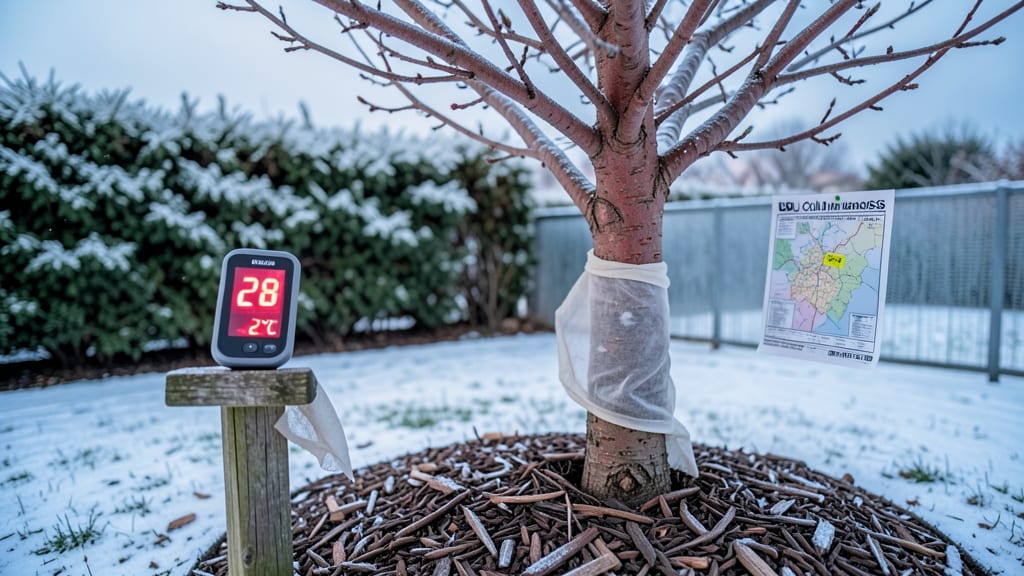
Peach tree cold tolerance depends on variety and maturity, with most thriving in USDA Zones 5-9. Mature trees typically withstand temperatures down to -10°F (-23°C), while young trees or tender varieties need extra winter protection in colder climates. Dormant buds are especially vulnerable to frost damage.
Peach trees aren't all created equal when it comes to cold resistance. 💫 The Reliance variety, for example, is one of the hardiest, surviving down to -20°F (-29°C) once established, while others like Redhaven may struggle below -15°F (-26°C).
This variation means your local climate should dictate your choice of cultivar. Younger trees, with their delicate bark and buds, need extra care during their first few winters to establish strong root systems that can support cold tolerance later.
Understanding your specific variety's needs is half the battle. For instance, trees in Zone 5 might need 300-500 chilling hours annually to break dormancy properly, while those in Zone 9 may only require 150-300 hours.
This chilling requirement directly impacts how well a tree handles winter stress. I always recommend checking with local nurseries or extension services to confirm which varieties will perform best in your specific microclimate.
💡 In This Article
- USDA Zone Limits for Peach Tree Varieties
- Winter Protection Strategies for Peach Trees
USDA Zone limits for peach tree varieties
The cold hardiness of peach trees isn't just about temperature—it's a complex interplay between variety, maturity, and environmental factors. 🌱 For example, the Reliance variety can handle temperatures down to -20°F (-29°C) once fully established, thanks to its thick bark and deep root system.
In contrast, Redhaven peaches typically tolerate only -15°F (-26°C), making them better suited for Zones 6-9 unless given extra winter protection.
Chilling hours play a critical role in determining which varieties thrive in your area. Most peach trees require 300-500 chilling hours below 45°F (7°C) to properly break dormancy and set fruit. Varieties like Elberta need the full range, while Redtop can survive with as few as 200-300 hours.
This means a tree planted in Zone 5 might struggle in Zone 9 if it doesn't get enough cold exposure—even if the winter temps aren't extreme.
Winter dormancy is another key factor. Peach trees enter a deep rest period when temperatures drop, but prolonged exposure to below -10°F (-23°C) can damage the cambium layer beneath the bark.
This is why young trees (under 3 years old) are far more vulnerable—their bark is thinner and their root systems aren't fully developed to support cold tolerance. 🥶 Mature trees, however, develop thicker bark over time, which acts as natural insulation against freezing temperatures.
Microclimates within your region can also shift which varieties work best. For instance, a peach tree planted in a sheltered, south-facing location might survive 5°F colder than one exposed to wind and frost pockets.
Similarly, trees near large bodies of water may experience milder winters due to the moderating effect of water temperatures. Always consider these local conditions when selecting varieties—what works in a Zone 6 valley might fail in a Zone 6 mountain area.
Here's a quick reference for common varieties and their zone ranges:
- Reliance: Zones 4-9 (hardiest, tolerates -20°F)
- Redhaven: Zones 5-9 (struggles below -15°F)
- Elberta: Zones 5-9 (needs 400+ chilling hours)
- Redtop: Zones 5-9 (adapts to 200-300 chilling hours)
- Contender: Zones 5-9 (moderate cold tolerance, -15°F limit)
When in doubt, consult your local cooperative extension service—they can provide data on which varieties perform best in your specific area, accounting for both temperature and chilling hour requirements. 🌡️