
Pruning
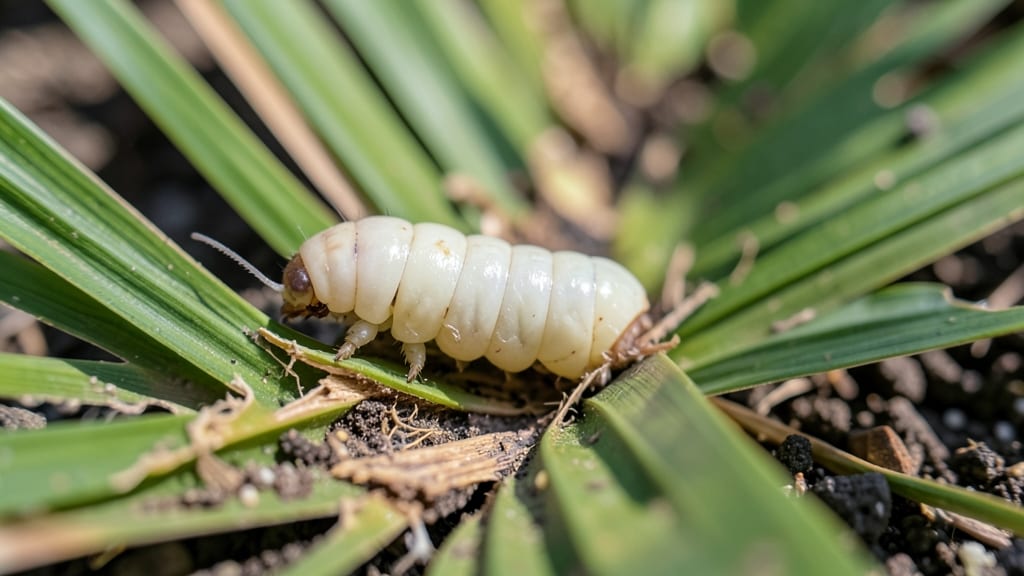
Your palm tree’s fronds might be hiding a silent crisis—palm tree insects like weevils and mites can turn a healthy tree into a hollow shell in months. 🌿 I’ve seen firsthand how proper pruning disrupts their life cycle before they cause real damage, and it’s simpler than you’d think.
The key is early detection: look for sawdust-like frass near the base, yellowing fronds, or tiny webs. Once you spot these signs, pruning becomes your secret weapon.
Removing infested fronds (and disposing of them properly) cuts off food sources and breeding grounds. It’s not about heavy pruning—just strategic cuts to starve the pests.
What you’ll end up with is a tree that stays lush and productive for years. The right technique keeps palms thriving while avoiding chemical treatments. Plus, you’ll save hundreds in potential tree replacement costs down the road.
Works for indoor palms, outdoor tropical varieties, and even cold-hardy species—just adjust timing based on your climate. Let’s get those insects under control before they take over.
📚 In This Guide
- What you need
- Instructions
- Tips and common mistakes
- Wrapping up and next steps
What you need
- ● Pruning shears: Sharp, bypass-style shears (1 pair) for clean cuts—avoid dull blades to prevent tearing fronds.
- ● Ladder or extension pole: Sturdy 6–12 ft ladder (or a 10–15 ft telescoping pole) for safe reach.
- ● Heavy-duty gloves: Thick, cut-resistant gloves (1 pair) to protect hands from thorns and insects.
- ● Disposable trash bags: 3–5 large (30+ gallon) bags for debris collection.
- ○ Hose with nozzle: For rinsing off fronds post-pruning (optional but helpful!).
- ● Pruning saw: For thicker fronds (if your shears struggle).
- ● Insecticidal soap or neem oil: 1–2 spray bottles (for post-pruning treatment).
- ● Safety goggles: To shield eyes from debris.
- ● Knee pads: For comfort if you’re working on the ground.
How to manage palm tree insects using pruning techniques
Three straightforward pruning tricks can keep your palms healthy and pest-free without chemicals.
✂️ Step 1: Identify and Remove Infested Fronds
Start by inspecting your palm for signs of insect activity—look for webbing, sawdust-like frass, or tiny crawling pests along the undersides of fronds. I always check the crown shaft first, as this is where many pests like palm weevils and mealybugs hide. Use a 10x magnifying glass if needed to spot early infestations.
Once you’ve identified the problem, cut off the infested fronds at the base using clean, sharp pruning shears. Disposing of them immediately prevents reinfestation. I like to bag the fronds in a heavy-duty trash bag and seal it tightly—this keeps pests from escaping back onto the tree.
🌿 Step 2: Prune Dead or Dying Tissue to Prevent Pest Entry
Healthy palms resist pests better, so remove any dead, yellowing, or split fronds—these provide easy access for insects. Use sterilized pruning tools (wipe blades with rubbing alcohol between cuts) to avoid spreading disease. I always prune just above a leaf joint to encourage clean healing and prevent water from pooling.
Focus on the lower third of the palm, where pests often enter. If you see blackened or mushy tissue, this is a red flag for weevil larvae. Cut back to healthy green tissue—this ensures you’re removing the entire infestation, not just the symptoms.
☀️ Step 3: Thin the Canopy for Better Airflow and Sunlight
Overly dense fronds trap moisture and create ideal conditions for pests. Remove 10-20% of the oldest, outermost fronds to improve airflow and sunlight penetration. This isn’t just about pests—better light exposure strengthens the palm’s natural defenses. I space cuts evenly around the crown to maintain balance.
After pruning, water deeply at the base to help the palm recover. Avoid overhead watering for 48 hours—this prevents fungal growth in fresh cuts. If your palm is large, consider sectional pruning over a few weeks to reduce stress.
⏰ Step 4: Monitor and Repeat as Needed
Check your palm weekly for new signs of pests, especially after heavy rains or heatwaves. I keep a small notebook near my tools to log pruning dates and note any recurring issues. If pests return, repeat the process—consistency is key to breaking their life cycle.
For severe infestations, repeat pruning every 2-3 months until the palm shows steady improvement. Healthy fronds will emerge within 4-6 weeks of proper pruning, signaling that your efforts are working. If you notice new fronds curling or wilting, act quickly—this could mean a deeper infestation.
Tips & tricks for natural palm tree pest control
Here's what nobody tells you about pruning that makes all the difference in keeping your palm tree thriving.
Timing Secret: The 48-hour window after pruning is critical—this is when fresh cuts are most vulnerable to fungal infections. I've seen palm owners rush to water immediately, only to end up with blackened wounds that attract pests. Use this time to apply a thin layer of pruning sealant (optional but highly recommended) to protect the cuts and speed up healing. This simple step prevents future pest entry points.
Tool Technique: Sterilizing your pruning tools between cuts isn't just about disease prevention—it's about giving your palm the best chance to heal. I keep a small bottle of rubbing alcohol handy and wipe blades after every 2-3 cuts, especially when working on multiple palms. This prevents cross-contamination that could spread latent infections or pests from one tree to another. Sharp tools also make cleaner cuts that heal faster.
Visual Cues for Infestations: When inspecting fronds in Step 1, look for subtle signs beyond the obvious. Tiny white specks on the undersides of fronds often indicate mealybugs, while sticky residue suggests sap-sucking insects like scale. I've found that early detection in the crown shaft can save a palm—this is where pests hide when they're ready to lay eggs. A 10x magnifying glass reveals these clues before they become full-blown infestations.
Seasonal Strategy: Timing your pruning with the natural growth cycle makes all the difference. For most palm species, late spring to early summer is ideal—this coincides with new frond emergence. I avoid pruning during extreme heat or cold, as the tree is more stressed. In tropical climates, you can prune year-round, but always follow the 48-hour watering rule to prevent stress-related pest attraction.
Pro Tips for Palm Tree Insects
- Here's what nobody tells you about pruning that makes all the difference in keeping your palm tree thriving.
- Timing Secret: The 48-hour window after pruning is critical—this is when fresh cuts are most vulnerable to fungal infections.
- Tool Technique: Sterilizing your pruning tools between cuts isn't just about disease prevention—it's about giving your palm the best chance to heal.
Frequently asked questions
Got questions about managing palm tree insects?
You’re not alone! Here are some of the most common concerns—and straightforward answers to keep your palms healthy and thriving.
What are the most common insects that attack palm trees?
Palm trees often face threats from palm weevils (the most destructive), spider mites, mealybugs, scale insects, and thrips. Palm weevils, in particular, bore into the trunk, causing irreversible damage. Early detection is key—look for frass (sawdust-like debris), wilting fronds, or oozing sap.
How do I know if my palm tree has an insect infestation?
Watch for these red flags: yellowing or browning fronds, sticky residue (honeydew) on leaves, tiny webs (sign of spider mites), or small holes in the trunk. Tap the fronds—if insects drop, that’s a clear sign. Act fast: the longer you wait, the harder (and costlier) treatment becomes.
Can pruning alone control palm tree insects?
Pruning helps by removing infested fronds and improving airflow, but it’s not a standalone solution for severe cases like palm weevils. Pair it with neem oil sprays, beneficial nematodes, or professional pest control. Think of pruning as the first line of defense—critical, but part of a bigger strategy.
Is it safe to prune a palm tree during an infestation?
Yes, but timing matters. Prune early morning to avoid stressing the tree in heat. Disinfect tools with 70% isopropyl alcohol to prevent spreading pests. If weevils are present, avoid heavy pruning—focus on removing only the most damaged fronds. Always wear gloves and a mask to protect yourself!
What’s a natural alternative to chemical pesticides for palm insects?
Try these eco-friendly options:
- Neem oil: Disrupts insect life cycles (mix 1 tbsp neem oil + 1 tsp mild soap per gallon of water).
- Horticultural oil: Smothers mites and soft-bodied insects (apply at night).
- Beneficial insects: Ladybugs or lacewings prey on mealybugs and aphids.
- Diatomaceous earth: Sprinkle lightly on soil to deter crawling pests (reapply after rain).
For palm weevils, combine these with regular inspections and professional help if the infestation spreads.
Wrapping up and next steps
Palm tree insects may seem daunting, but with the right pruning techniques, you can keep your trees thriving naturally and effectively! 🌿 From identifying early signs of infestation to using simple tools like pruning shears and a ladder, these tricks empower you to protect your palm trees without harsh chemicals.
Start small—inspect your trees regularly, act at the first sign of trouble, and watch your greenery stay healthy.
Ready to take action? Grab your tools and give your palm trees the care they deserve! 🌴✨ Check out our pruning guide for step-by-step instructions.