
Pruning
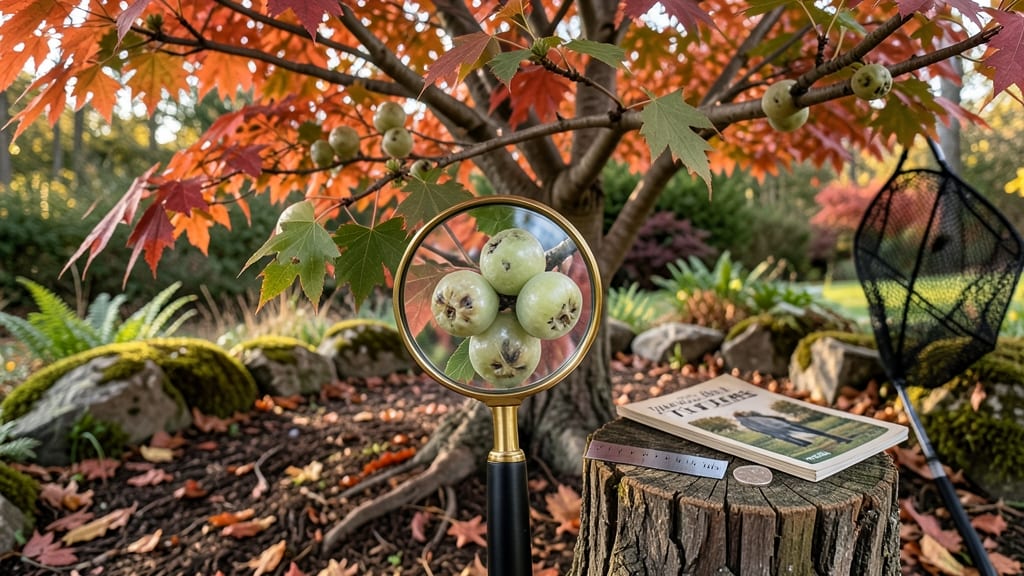
Bladder galls on your maple tree might look alarming, but they’re actually nature’s way of keeping your tree healthy. 🌳 These small, translucent sacs form when mites like Colopha trigger a protective response—but they rarely cause serious harm if managed properly.
Left unchecked, galls can weaken branches over time, but the good news is they’re easy to spot and control. You’ll recognize them by their pea-sized, balloon-like appearance along stems, often appearing in spring. The key is acting early to prevent them from spreading.
Pruning affected branches is the simplest solution, and it’s also an opportunity to improve airflow in your tree’s canopy. For severe cases, horticultural oil applied in early spring can smother mites before they cause more galls. The result? A stronger, more resilient maple tree.
Prevention starts with keeping your tree healthy—watering deeply, mulching well, and monitoring for early signs of infestation. With these steps, your maple will stay vibrant and gall-free for years to come.
The Tiny Bugs Behind Maple Blisters
Those puffy, blister-like growths on your maple tree—called bladder galls—aren’t just a quirky quirk of nature. They’re a direct response to a hidden battle waged by microscopic invaders.
While they may seem harmless (or even charming), these galls form as a defense mechanism against two primary culprits: maple bladder gall mites and maple gall aphids. Let’s break down the science behind why they happen and who’s really to blame.
The most common cause of bladder galls on maple trees is the Vasates genus of mites—specifically Vasates aceriscrumena. These arachnids (yes, they’re technically mites, not insects) are so small you’d need a magnifying glass to spot them. Here’s how they hijack your tree:
- 🔍 Egg Laying Trigger: Female mites lay their eggs in the tree’s buds or young leaves in early spring. When they hatch, the larvae inject a chemical cocktail into plant tissue, prompting the tree to overreact.
- 🛡️ Plant Overreaction: The tree’s cells begin producing excess sap and forming a protective layer around the larvae, creating the characteristic blister-like gall. Think of it like a scab—your tree is trying to isolate the threat.
- 🌿 Gall Growth Cycle: As the gall expands, it provides a cozy, nutrient-rich environment for the mites to mature. By summer, the galls may split open, releasing the next generation of mites to repeat the cycle.
Pro Tip: 💡 These mites thrive in young, tender growth, which is why you’ll often see bladder galls on new shoots or leaves. If your tree is stressed (from drought, poor soil, or over-pruning), it’s even more vulnerable to infestation.
While mites are the usual suspects, maple gall aphids (like Perkinsiella species) can also cause similar-looking galls, though their method of attack differs slightly. Here’s how they pull it off:
- 🍃 Early Season Invasion: Aphids insert their needle-like mouthparts into the plant tissue, feeding on sap. Their saliva contains enzymes that disrupt normal cell growth.
- 🧪 Chemical Warfare: The tree detects these enzymes as a threat and responds by producing abnormal growths—often round, bladder-like galls—as a way to contain the damage.
- 🌱 Secondary Damage: Unlike mites, aphids can also cause stunted growth, yellowing leaves, or even sooty mold (a black fungal growth fed by their honeydew).
Pro Tip: 🔥 If you notice sticky residue on leaves (aphid honeydew) alongside galls, aphids are likely the culprit. Mites alone won’t leave this telltale mess.
While mites and aphids are the primary instigators, your maple tree’s overall health plays a huge role in how severely it’s affected. Here’s how environmental factors can make galls worse:
| Factor | How It Helps Galls Spread |
|---|---|
| Drought Stress | Weakened trees can’t fight off pests as effectively, making them prime targets for mites and aphids. |
| Compacted or Poor Soil | Nutrient deficiencies make trees more susceptible to infestations and reduce their ability to heal. |
| Over-Pruning | Removing too many branches stresses the tree, leaving it vulnerable to pest attacks in new growth areas. |
| High Nitrogen Fertilizer | While it promotes leafy growth, it can also make trees more attractive to sap-sucking pests like aphids. |
Pro Tip: ✨ To reduce gall formation, focus on improving tree health: water deeply during droughts, aerate compacted soil, and prune selectively to avoid over-stressing the tree. A healthy tree is less likely to overreact to pests with unsightly galls.
At the cellular level, bladder galls are a fascinating example of plant-pathogen interaction. Here’s what’s really going on:
- 🧬 Hormonal Hijacking: Mites and aphids release chemicals that mimic plant growth hormones (like auxins and cytokinins). This tricks the tree into growing abnormal tissue around the pest.
- 🛡️ Failed Defense Mechanism: Normally, trees would seal off damaged areas with callus tissue. But when pests inject hormones, the tree’s response goes haywire, creating a gall instead.
- 🔄 Feedback Loop: The larger the gall grows, the more it protects the pest—until the tree either prunes it out naturally or the pest matures and moves on.
Fun Fact: 🌿 Some galls are so specialized that they’re only found on certain maple species! For example, Vasates mites prefer sugar maples and red maples, while other species may host different gall-makers.
Fixing Bladder Galls Naturally
Bladder galls on maple trees may look unsightly, but they’re usually harmless—and often fixable with simple, nature-friendly steps. Whether you’re dealing with mild infestations or want to prevent future outbreaks, these targeted solutions will help restore your tree’s health without harsh chemicals.
Below, we break down the most common causes and their corresponding fixes, plus proactive tips to keep your maple thriving.
Bladder galls form when tiny wasps (Andricus species) lay eggs in tree buds, triggering abnormal growth. The key to control? Remove them before they mature.
- 🍳 When to act: Prune galls as soon as you spot them (spring to early summer).
Mature galls (hard, leathery) won’t harm the tree but can spread wasps next season. - 👨🍳 How to prune: - Use clean, sharp pruners (sterilize with rubbing alcohol to avoid spreading disease). - Cut galls along with 2–3 inches of healthy stem below the gall to prevent wasp eggs from hatching. - Do not compost pruned galls—bag and discard them in sealed trash to kill wasp larvae. - ⏰ Timing tip: Focus on new growth (soft, green galls) in May–June when wasps are most active.
A weak tree is more susceptible to galls. Strengthen your maple’s defenses with these low-effort, high-impact strategies:
- 💡 Water deeply but infrequently:
- 1–2 times per week (depending on climate) to encourage deep root growth.
- Avoid overhead watering—keep foliage dry to deter fungal issues.
- 🌡️ Feed with organic matter:
- Top-dress with compost (2–3 inches around the drip line) in early spring.
- Use a balanced fertilizer (10-10-10) once a year in late winter for slow-release nutrients.
- ✨ Mulch properly:
- Spread 3–4 inches of wood chips or shredded bark (keep mulch 6 inches away from the trunk).
- Refresh annually to prevent soil compaction and retain moisture.
Break the cycle with these long-term tactics that disrupt wasp life cycles:
- 🎯 Trap adult wasps (if severe):
- Hang yellow sticky traps near the tree in late spring to catch emerging wasps.
- DIY trap: Mix 1 part water + 1 part dish soap in a bucket, add a yellow card—wasps get stuck.
- 🔪 Prune for airflow:
- Thin out crowded branches (aim for open canopy) to reduce humidity—wasps thrive in damp conditions.
- Remove dead or weak branches where galls often cluster.
- 🌱 Plant companion species:
- Dwarf lilac, viburnum, or serviceberry near your maple can distract wasps away from buds.
If galls cover >20% of buds or your tree shows yellowing leaves, dieback, or oozing sap, consult an arborist. Severe cases may need targeted insecticidal soap (use only as a last resort—it kills beneficial insects too).
Pro Tip: 💡 Monitor your tree weekly in spring. Early intervention = less work later! Most maples recover fully within 1–2 seasons with consistent care.
Frequently asked questions
Are bladder galls harmful to my maple tree?
Bladder galls themselves rarely cause serious harm to mature maple trees. While they may look unsightly, they don’t typically kill the tree or spread to other plants. The real concern comes from severe infestations that weaken young trees or stressed specimens. Focus on removing galls early to prevent pest buildup and maintain your tree’s health.
How do I tell if my maple tree has mites or aphids causing the galls?
Look for these clues: mites create small, translucent galls without sticky residue, while aphids often leave sticky honeydew on leaves and may cause yellowing. Examine the galls closely—if you see tiny moving dots (mites) or black sooty mold (aphid honeydew), that’s your answer. Mites are more common for bladder galls specifically.
When is the best time to prune off bladder galls?
Prune during late winter to early spring (before buds swell) or May–June when galls are soft and green. Cut 2–3 inches below each gall to remove hidden eggs. Avoid pruning in fall or winter when wasps may still be active. Always sterilize your tools between cuts to prevent spreading disease.
Will removing bladder galls help prevent future infestations?
Yes! Removing galls breaks the pest life cycle by eliminating where wasps/mites develop. Combine pruning with horticultural oil (applied in early spring) to smother overwintering pests. For best results, monitor your tree weekly during growing season and address new galls immediately. Healthy trees with good airflow resist infestations better.
Can I use chemical treatments for bladder galls?
Chemicals like insecticidal soap or horticultural oil can help in severe cases, but they’re not always necessary. For most maples, organic methods (pruning + oil) work well. If you choose chemicals, apply only in early spring before buds open, and avoid products that harm bees. Always test a small area first to check for sensitivity.