
Pruning
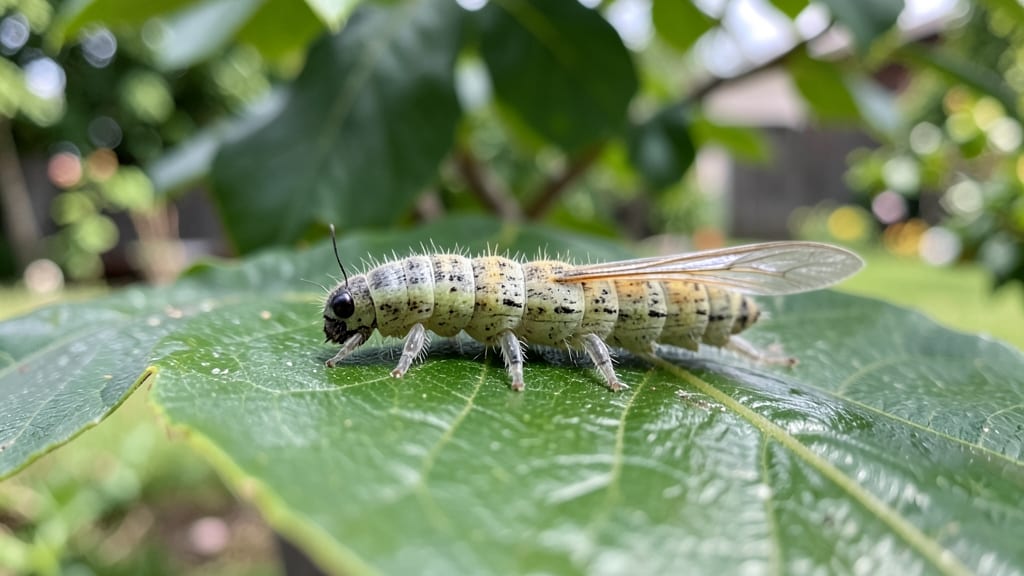
Mulberry tree insects can turn your lush canopy into a skeleton in weeks—unless you act fast. 🌿 I’ve watched mulberry silkworms strip entire trees bare in just two weeks, and while they’re dramatic, they’re not the only pests to watch for.
Scale insects, aphids, and even borers all target these trees, each leaving behind telltale signs like sticky sap, curled leaves, or hollow branches.
The good news? You don’t need harsh chemicals to win this battle. I’ve used a mix of neem oil sprays, beneficial nematodes, and pruning out infested branches to save my trees—no gloves, no masks, just elbow grease and patience.
The key is catching problems early, when the damage is still reversible. Mulberry trees are tough, but they can’t fight back against pests alone.
By the time you’re done reading, you’ll know exactly what to look for (those tiny white eggs on leaves? That’s a red flag), how to treat each pest naturally, and when to call in reinforcements.
My trees now produce more berries than ever—and stay healthy without a single chemical spray. Let’s get started.
This works for both young saplings and mature trees, whether you’re dealing with a single branch or the whole canopy. The methods here are simple, cost-effective, and—most importantly—safe for pollinators and your family. No more guessing what’s wrong or spraying blindly.
Root Causes Of Mulberry Tree Pests
Understanding why mulberry trees attract insects starts with recognizing their natural appeal—both as a food source and a habitat. These trees are particularly vulnerable due to their rapid growth, nutrient-rich leaves, and sweet fruit, making them a buffet for a variety of pests.
Below, we break down the key reasons these critters invade your mulberry tree, along with the science behind their behavior.
Mulberry trees produce large, soft leaves packed with nitrogen and sugars, which are irresistible to many insects. Here’s why this makes them a prime target:
- High Protein Content: Mulberry leaves contain proteins and amino acids that caterpillars, beetles, and aphids crave for growth and reproduction.
For example, the mulberry pyralid moth (Glyphodes pyloalis) specifically targets these leaves because they provide the ideal balance of nutrients for its larvae. - Water Retention: The thick, fleshy leaves hold moisture longer than many other tree species, creating a hospitable environment for soft-bodied insects like scale insects and whiteflies, which thrive in humid conditions. - Lack of Natural Defenses: Unlike some trees with tough, waxy leaves or toxic compounds, mulberry trees have minimal chemical defenses, making them easier prey.
Their soft texture also allows insects to chew through them without resistance.
Actionable Insight: If your tree is already infested, pruning heavily damaged leaves (especially in early spring) can reduce the food supply for pests before they multiply.
The ripening berries of a mulberry tree are a magnet for insects that feed on fruit, such as:
- Japanese beetles (Popillia japonica), which devour both leaves and fruit.
- Spotted wing drosophila (Drosophila suzukii), a fly that lays eggs in ripe fruit, leading to rot and secondary infections.
- Birds and mammals (like raccoons or deer) may also spread insect eggs or larvae when they feed on the fruit.
Why It Happens:
- Fruit Sugar Content: Mulberries are high in natural sugars, which ferment as they ripen, creating an even more attractive scent for fruit-loving insects.
- Soft Skin: The thin, delicate skin of mulberries makes them easy for insects to penetrate, unlike harder fruits that repel pests.
Actionable Insight: Harvest overripe fruit regularly to remove a food source. If birds are a problem, consider netting young fruit before it ripens to block access.
Stress in mulberry trees—whether from drought, poor soil, or disease—makes them more susceptible to insect attacks. Here’s how stress plays a role:
- Reduced Plant Resilience: Stressed trees produce fewer defensive compounds (like tannins or alkaloids), leaving them vulnerable to pests.
For example, aphids are more likely to infest trees under drought stress because the plant’s sap becomes sweeter and easier to feed on. - Open Wounds: Physical damage (e.g., from pruning cuts, hail, or mechanical injury) creates entry points for borers (like the mulberry shoot borer, Omphisa anastomosalis), which lay eggs in cracks and weak spots. - Fungal Infections: Weakened trees are more prone to fungal diseases (such as anthracnose), which further stress the plant and attract sap-sucking insects like mealybugs.
Actionable Insight:
- Water deeply during droughts to reduce stress.
- Seal pruning wounds with pruning sealant to prevent borer entry.
- Test soil pH (mulberries prefer slightly acidic to neutral soil, pH 6.0–7.0) and amend with compost if needed.
Mulberry trees planted in isolation or large monocultures (like orchards) lack the diversity of a natural ecosystem, which disrupts the balance of predatory insects that keep pests in check. Here’s how:
- Lack of Natural Predators: In diverse ecosystems, birds, ladybugs, lacewings, and parasitic wasps control pest populations.
But in a single-species planting, these predators may not be present in sufficient numbers. - Over-Reliance on One Host: Some pests, like the mulberry longhorn beetle (Anoplophora glabripennis), specialize in mulberry trees, meaning they have no alternative food sources and will overpopulate if unchecked.
Actionable Insight:
- Plant companion species like neem trees, marigolds, or basil to attract beneficial insects.
- Avoid over-pruning to maintain a healthy canopy, which supports a wider range of wildlife.
Insect activity on mulberry trees is heavily influenced by weather patterns:
- Warm Springs: Early warmth triggers faster egg-hatching for pests like mulberry webworms, leading to explosive infestations.
- Humid Summers: High humidity encourages fungal growth on trees, which attracts sap-sucking insects.
- Mild Winters: In regions without hard freezes, pests like scale insects survive the winter and reproduce earlier in the year.
Actionable Insight:
- Monitor weather forecasts and treat preventatively before pest outbreaks peak (e.g., apply neem oil in early spring).
- Mulch properly to regulate soil temperature and moisture, reducing stress-related vulnerabilities.
Quick Fixes for Mulberry Tree Pests
When mulberry tree insects like aphids, silk worms, or spider mites invade, acting fast is key—but you don’t need harsh chemicals to win the battle. Below are targeted, natural solutions tailored to the most common culprits, along with prevention tips to keep your tree thriving long-term.
These tiny sap-suckers weaken leaves and attract ants (who love their honeydew). Act now before they spread.
🔥 Immediate Fix: Blast Them Off
- Water blast method 💦:
- Fill a hose with a strong stream (or a spray nozzle).
- Direct it at infested leaves and stems for 10–15 seconds per section.
- Why it works: Aphids can’t cling to wet surfaces, and the force dislodges them.
- Pro tip: Do this early morning—aphids are sluggish then, and you’ll catch more.
🍳 Homemade Spray Recipes
Mix one of these in a spray bottle and apply every 3–4 days until pests vanish:
| Ingredient Combo | How to Mix | When to Spray |
|---|---|---|
| Neem Oil + Soap | 1 tbsp neem oil + 1 tsp mild soap + 1 quart water | Evening (avoid direct sun) |
| Garlic Pepper Spray | 2 crushed garlic cloves + 1 tsp cayenne + 1 quart water (steep 24 hrs) | Morning or evening |
| Insecticidal Soap | 2 tbsp castile soap + 1 quart water | Cloudy days (reduces leaf burn) |
- Shake well before each use—oil-based sprays separate over time.
🌡️ Long-Term Prevention - Encourage predators: Ladybugs, lacewings, and parasitic wasps devour aphids.
Plant dill, fennel, or marigolds nearby to attract them. - Prune strategically: Remove heavily infested branches (sterilize pruners with rubbing alcohol between cuts). - Reflective mulch hack: 💡 Spread white gravel or aluminum foil around the base—aphids hate reflective surfaces.
These caterpillars munch leaves like a buffet, leaving skeletonized foliage. Handpicking is your first line of defense.
👨🍳 Manual Removal (Best for Small Infestations)
- When to act: Early morning or late evening (worms are less active).
- How to do it: 1. Wear gloves (some people are allergic to their hairs). 2.
Shake branches over a bucket of soapy water (drowns them instantly). 3. Check undersides of leaves—they hide there! - Pro tip: Drop collected worms into a jar of soapy water (or crush them if you’re brave).
🔪 Biological Control: BT (Bacillus thuringiensis)
- What it is: A natural bacteria that kills caterpillars when ingested (safe for humans/pets).
- How to use:
- Mix 1 tsp BT powder with 1 quart water.
- Spray directly on leaves (focus on new growth).
- Reapply every 7–10 days or after rain.
- Why it works: Worms stop eating within hours and die in 2–5 days.
🌿 Prevention for Next Season
- Row cover trick: 💡 Drape fine mesh netting over young trees in spring (keeps moths from laying eggs).
- Clean up debris: Remove fallen leaves in autumn (egg-laying sites!).
- Plant companion herbs: Basil, mint, or wormwood repel silk worm moths.
These microscopic pests thrive in dry heat, spinning webs and causing yellow stippling on leaves.
💦 Hydration First
- Mist leaves daily for 3–5 days to boost humidity (mites hate it).
- Targeted spray: Use a fine mist on undersides of leaves (where they hide).
🍳 DIY Miticide Spray
Blend one of these in a spray bottle:
- Neem oil + water (1 tbsp oil per quart, spray at dusk).
- Horticultural oil (follow label rates—test on a small leaf first).
- Soap spray (1 tsp castile soap per quart, reapply every 2 days).
🎯 Long-Term Defense
- Prune for airflow: 🌡️ Thin out dense branches to reduce hiding spots.
- Dust with sulfur: Lightly dust organic sulfur powder on leaves (follow package rates).
- Attract mite-eating bugs: Predatory mites (like Phytoseiulus persimilis) can be bought online and released on infested trees.
- Healthy tree = pest-resistant tree:
- Water deeply 1–2 times per week (drought stress attracts pests).
- Fertilize in early spring with compost or balanced organic fertilizer.
- Monitor regularly: Check new growth and leaf undersides weekly.
- Avoid over-fertilizing: 💡 Too much nitrogen = softer leaves = aphid buffet.
- Quarantine new plants: Inspect any new mulberry trees or nearby plants for hitchhiking pests.
Remember: Patience is key—some methods take 2–3 weeks to show results. Stick with it, and your mulberry tree will bounce back pesticide-free! 🌿✨
Frequently asked questions about mulberry tree insects
What are the most common insects that attack mulberry trees?
The top culprits include mulberry silkworms (which skeletonize leaves), aphids (creating sticky honeydew), scale insects (forming crusty bumps), Japanese beetles (devouring foliage), and spider mites (causing yellow stippling). Each leaves distinct damage patterns—check leaf undersides and new growth first.
Are mulberry tree insects harmful to humans or pets?
Most mulberry tree insects are harmless to humans and pets, though some—like mulberry silkworms—can cause mild skin irritation if their hairs touch skin. The real danger comes from chemical pesticides, which are toxic when ingested or inhaled. Always opt for natural solutions like neem oil or manual removal.
How do I know if my mulberry tree has an insect problem?
Watch for these red flags: chewed leaves, sticky residue (honeydew), visible webs, tiny crawling insects, or yellowing foliage. Check leaf undersides and new growth first—these are prime hiding spots. Early detection is key to preventing spread.
Can I use chemical pesticides on my mulberry tree?
While chemical pesticides work quickly, they’re not recommended for mulberry trees. Many harm beneficial insects, contaminate soil, and can leave residues on edible berries. Instead, use neem oil, insecticidal soap, or manual removal for safe, effective control. Always prioritize organic methods.
How often should I inspect my mulberry tree for insects?
Check your tree every 7–10 days during growing seasons (spring through fall), focusing on new leaves, leaf undersides, and branch tips. Early spring and late summer are peak times for infestations—don’t wait until you see major damage to act. Consistency is the best defense!