
Pruning
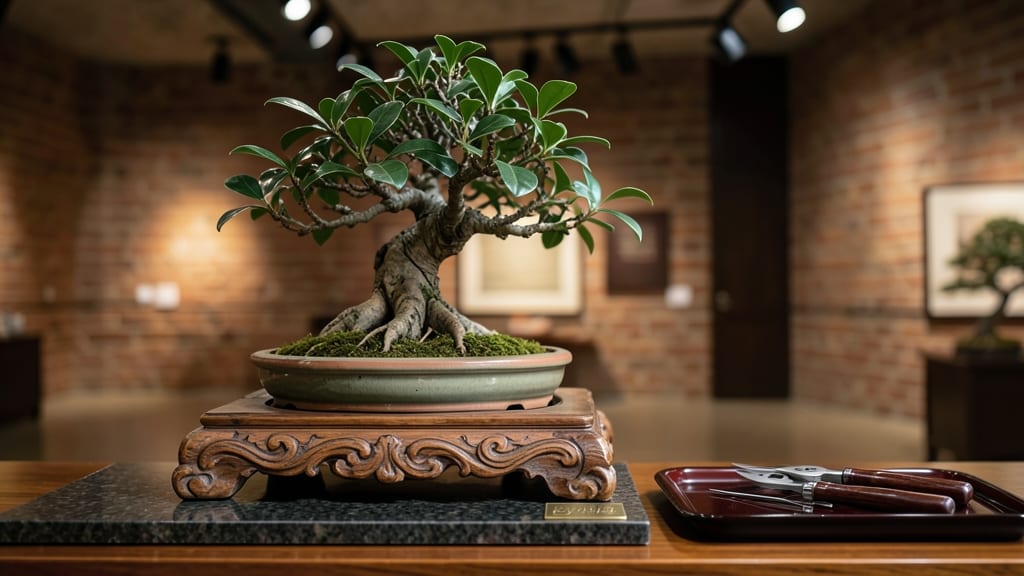
The most expensive bonsai tree ever sold is a 200-year-old Ficus retusa (Ginseng Ficus) named 'Kikokuji,' auctioned for $1.2 million in 2013. Its rare age, meticulous craftsmanship, and historical lineage made it a collector’s masterpiece, blending artistry with botanical rarity.
The Kikokuji bonsai's staggering price reflects its status as a living work of art, where nature and human skill intersect over centuries. 🌿 This particular Ginseng Ficus wasn't just old—its trunk swelled dramatically over time, creating the iconic "ginseng" shape that defines its value.
What makes it even more extraordinary is its provenance: originally cultivated in a Japanese temple before being meticulously shaped by master bonsai artists. That kind of pedigree turns a tree into a cultural artifact, not just a plant.
For collectors, this record-setting sale serves as a benchmark, proving that bonsai investment potential hinges on three key factors: species rarity, documented history, and the visible evidence of expert care. The $1.2 million price tag wasn't just about age—it was about the story the tree could tell.
That's why serious buyers now scrutinize provenance documents as carefully as they examine leaf quality.
💡 In This Article
- Why This Ginseng Ficus Bonsai Commanded a Record Price
- How to Identify High-Value Bonsai Trees for Investment
Why this Ginseng Ficus bonsai commanded a record price
The $1.2 million price tag for 'Kikokuji' wasn't just about its age—it was about the botanical rarity of Ficus retusa. This species is prized for its ability to develop thick, gnarled trunks through a process called ginseng formation, where the trunk swells dramatically over decades.
Unlike faster-growing bonsai varieties, Ginseng Ficus trees require 100+ years to achieve their iconic, sculptural shapes. The tree's trunk measured 24 inches in circumference at its base, a testament to centuries of slow, natural growth combined with expert pruning techniques.
What truly set 'Kikokuji' apart was its historical provenance.
Originally cultivated in a Japanese temple garden, the tree carried centuries of cultural significance before being acquired by bonsai master Masahiko Kimura in the 1980s. Kimura spent two decades refining its shape through meticulous wiring and pruning—techniques that involve wrapping aluminum wires around branches to guide their growth over months, then gradually removing them as the wood hardens.
The visible scars and curves in the trunk tell the story of this careful, patient craftsmanship, which collectors value as much as the tree's natural beauty.
The auction's location—Sotheby's Hong Kong—also played a role in its record price. Asian collectors, particularly from Japan and China, place immense value on bonsai with deep cultural roots. The tree's documented lineage and the presence of renowned experts at the auction created a competitive bidding environment.
Unlike mass-produced bonsai, 'Kikokuji' was a one-of-a-kind specimen, making it a status symbol for serious collectors willing to invest in living art.
Scientifically, the tree's value stems from its genetic stability. Ficus retusa is known for its resilience and slow growth, which means the tree's structure remains intact for generations.
The thick, fibrous bark and dense wood make it ideal for bonsai cultivation, as it resists disease and environmental stress better than many other species. This durability, combined with its aesthetic appeal, explains why Ginseng Ficus trees command premium prices in the market.
For collectors, the lesson is clear: provenance and craftsmanship matter just as much as the tree itself. A bonsai without documented history or visible signs of expert care—like uneven wiring scars or poor branch placement—will never reach the same value.
The $1.2 million sale proved that bonsai investment is about acquiring a piece of living history, not just a decorative plant.
Consider these key factors when evaluating a high-value bonsai:
- Species rarity: Ficus retusa and other slow-growing varieties like Juniperus procumbens are top-tier investments
- Trunk thickness: A 12-inch+ circumference typically indicates significant age and value
- Documented care: Records of pruning, repotting, and expert handling add authenticity
- Cultural significance: Trees with temple or historical origins command premium prices
The 'Kikokuji' sale remains a benchmark because it combined all these elements into a single, extraordinary specimen. 🌿