
Orchid Care
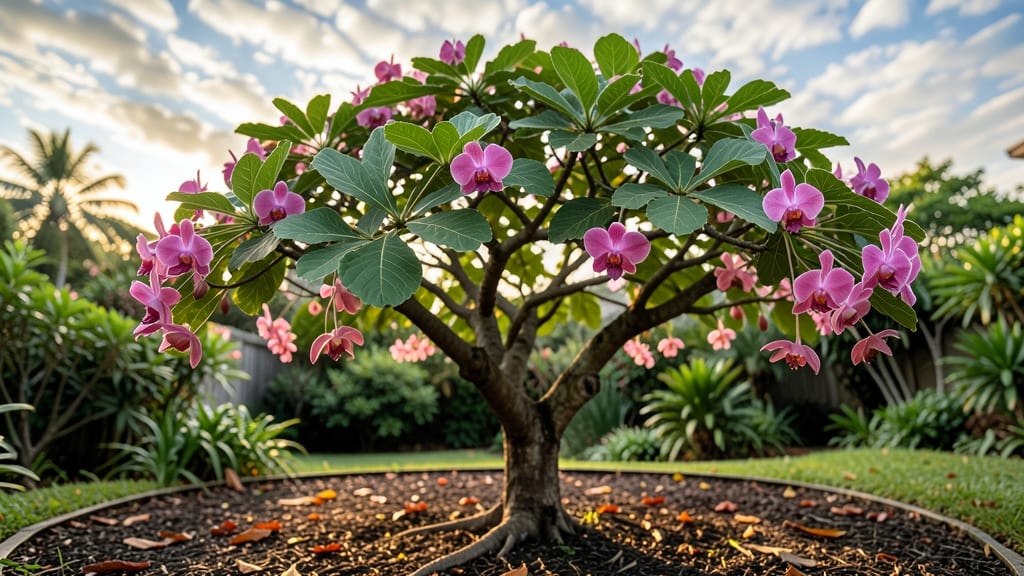
The Hong Kong orchid tree phoenix thrives where others freeze—its cold-hardy blooms turn streets into pink-and-purple canopies year-round. 🌸 I’ve grown mine through Hong Kong’s humid winters, and the secret isn’t magic—it’s matching its subtropical roots to your urban space with the right soil, light, and care.
This isn’t just a tree; it’s a living statement that beauty survives even the city’s toughest seasons.
Start with well-draining soil—sandy loam mixed with compost works best—and plant in full sun (at least 6 hours daily). Water deeply but let the top inch dry between sessions; soggy roots mean fewer blooms.
Prune after flowering to shape it (and encourage more blossoms), but never cut into old wood—this tree rewards patience with vibrant, papery blooms that last weeks.
Container growing? Use a pot 24+ inches wide with drainage holes—my balcony specimen thrives in a terracotta planter, even in Hong Kong’s compact spaces.
Feed lightly in spring with orchid fertilizer (half-strength), and watch how it repays your effort with shockingly lush foliage and clouds of fragrant flowers by early spring.
For Hong Kong’s climate, protect young trees from late-winter winds (they’re tender when new) and mulch heavily in summer to retain moisture. The payoff? A tree that blooms twice a year, attracts hummingbirds, and turns even the grimiest sidewalk into a garden spot. Ready to grow yours?
📚 In This Guide
- What you need
- Instructions
- Tips and common mistakes
- Wrapping up and next steps
What you need
- ● Orchid Tree Phoenix Seedlings or Nursery Plants: 1–3 mature trees (for landscaping) or 1–2 small potted plants (for containers).
- ● Ensure they’re labeled as Bauhinia blakeana (Hong Kong Orchid Tree) or its cold-hardy hybrids.
- ● Well-Draining Soil Mix: 50% high-quality potting soil (e.g., Miracle-Gro or similar).
- ● 30% perlite or coarse sand (for aeration).
- ● 20% compost or worm castings (for nutrients).
- ● Pot or Planting Site: For containers: 15–20 gallon pots with drainage holes (1 per plant).
- ● For outdoor planting: A sunny, sheltered spot with at least 6 feet of vertical space.
- ● Fertilizer: Balanced liquid fertilizer (10-10-10 or 20-20-20), diluted to half-strength.
- ○ Slow-release granules (optional, for long-term feeding).
- ● Basic Gardening Tools: Trowel or shovel (for planting).
- ● Pruning shears (sterilized with rubbing alcohol).
- ● Gloves (to protect hands from thorns).
- ● Cold-Protection Supplies (for outdoor plants): Burlap wraps or frost cloth (for temperatures below 30°F/-1°C).
- ● Mulch (straw or wood chips, 2–3 inches thick).
- ● Watering Can or Hose: With a gentle spray nozzle (to avoid damaging delicate blooms).
- ○ Optional Extras: Trellis or sturdy stakes (if training vines).
- ● Humidity tray (for indoor plants in dry climates).
- ● Grow lights (if indoor lighting is insufficient).
Step-by-Step guide to cultivating Hong Kong Orchid tree phoenix varieties
This cold-hardy beauty thrives with the right approach—here’s how to nurture it for stunning year-round foliage.
🌱 Step 1: Select and Acquire Cold-Hardy Phoenix Varieties
The Hong Kong Orchid Tree, scientifically Bauhinia × blakeana, thrives in USDA Zones 9-11 but can tolerate brief dips to 28°F with proper care. Seek grafted varieties like 'Hong Kong Orchid' or 'Red Orchid Tree' from reputable nurseries—they’re bred for resilience. I always verify the graft union is visible above the soil line, as this ensures the cold-hardy rootstock remains dominant.
Young plants under 3 years old are most vulnerable, so opt for established specimens if your climate dips below 32°F. Avoid bare-root plants—their delicate root systems struggle to establish before winter. Look for plants with dark green, leathery leaves and multiple sturdy branches, as these indicate maturity and better cold tolerance.
☀️ Step 2: Plant in Well-Draining, Sheltered Locations
Choose a site with full sun exposure (6+ hours daily) but with afternoon shade in Zones 10-11 to prevent leaf scorch. The Hong Kong Orchid Tree’s roots despise soggy conditions, so amend native soil with 25% perlite or coarse sand to improve drainage. I dig a hole twice as wide as the root ball but only as deep—planting too deep suffocates roots.
Position the tree where it’s sheltered from north or northwest winds, which can desiccate leaves in winter. A south-facing wall or fence acts as a windbreak while capturing reflected heat. Mulch heavily with 3-4 inches of wood chips (but keep mulch 6 inches away from the trunk) to insulate roots during cold snaps.
💧 Step 3: Water Deeply and Adjust for Seasonal Needs
Water deeply once a week during the first 6-8 weeks after planting to encourage deep root growth. You’ll know it’s enough when water drains 6 inches down into the soil. Overwatering leads to root rot—a common killer of young trees. Once established, reduce frequency to every 10-14 days, letting the top 2 inches of soil dry out between waterings.
In winter, reduce watering by half unless your region experiences freezing temperatures below 32°F. At that point, water lightly only if the ground feels frozen—overwatering can cause roots to heave out of the soil. I always check by pushing a 6-inch screwdriver into the ground; if it meets resistance, the soil is too cold to absorb water.
✂️ Step 4: Prune for Structure and Cold Resilience
Prune late winter or early spring (February-March) before new growth begins. Remove dead, crossing, or weak branches first, cutting back to the nearest healthy lateral bud. I never prune more than 25% of the canopy in one season—this keeps the tree’s energy balanced for recovery. For cold-hardy varieties, avoid heavy pruning after October 1st, as new growth won’t harden off before winter.
Shape the tree into a rounded canopy to encourage airflow and reduce ice buildup on branches. If your climate drops below 30°F, wrap the trunk with tree guard (not plastic wrap) to prevent sunscald. Young trees benefit from lightweight burlap wraps during the first two winters to protect against 28°F or lower temperatures.
🌿 Step 5: Fertilize and Monitor for Year-Round Health
Apply a balanced, slow-release fertilizer (10-10-10) in early spring and again in mid-summer, using half the recommended dose. The Hong Kong Orchid Tree is sensitive to excess nitrogen, which promotes tender growth vulnerable to cold. I always water deeply 24 hours before and after fertilizing to prevent root burn.
Watch for yellowing leaves—a sign of overwatering or nutrient deficiency. If leaves drop prematurely in winter, it’s often due to sudden temperature swings or dry winds. In Zones 9-10, a light winter mulch (1-2 inches) helps regulate soil temperature. For Zones 10-11, reduce mulch to 1 inch to prevent heat stress in warm winters.
Tips & tricks for cultivating cold-hardy Hong Kong Orchid trees
Here's what nobody tells you about keeping your Hong Kong Orchid Tree thriving through winter and beyond.
Graft Union Verification: That visible graft union isn't just for show—it's your tree's secret weapon against cold. When selecting your tree, make sure the graft line sits at least 2-3 inches above the soil line. I've seen too many trees fail because the graft was buried, leaving the tender scion vulnerable to frost. This simple check can mean the difference between a tree that survives 28°F and one that doesn't.
Soil Preparation Secret: The 25% perlite or sand amendment in Step 2 is non-negotiable for cold climates. I recommend going a step further by adding 10% compost to the mix for established trees in Zones 9-10. This improves moisture retention while still maintaining that crucial drainage. The key is to create a soil environment that mimics the tree's natural habitat in subtropical regions—well-draining but moisture-retentive when needed.
Winter Watering Strategy: That 6-inch screwdriver test in Step 3 is brilliant, but here's the follow-up: if you're in Zone 9 and experience a sudden freeze below 32°F, water lightly ONLY if the ground feels frozen to the screwdriver's depth. The goal is to keep roots from heaving out of the soil due to freeze-thaw cycles. I've found that adding 1 inch of straw mulch over the root zone in these conditions provides extra insulation without smothering the tree.
Pruning Timing Nuance: While February-March is ideal for pruning, I've learned that in colder microclimates (like inland Zone 9 areas), waiting until mid-March gives the tree a better buffer against late frosts. The rule about not pruning after October 1st holds, but if you must shape your tree in late fall, limit yourself to removing only dead or diseased branches—never healthy growth that could harden off before winter.
Pro Tips for Hong Kong Orchid Tree Phoenix
- Here's what nobody tells you about keeping your Hong Kong Orchid Tree thriving through winter and beyond.
- Graft Union Verification: That visible graft union isn't just for show—it's your tree's secret weapon against cold.
- Soil Preparation Secret: The 25% perlite or sand amendment in Step 2 is non-negotiable for cold climates.
Frequently asked questions
How cold can the Hong Kong Orchid Tree Phoenix tolerate?
The Hong Kong Orchid Tree Phoenix is one of the hardiest orchid tree varieties, surviving temperatures as low as 15°F (-9°C) with proper care. However, young plants or those in containers may need winter protection like mulch or burlap wraps. In extreme freezes, consider moving potted trees to a sheltered spot.
When is the best time to plant or transplant my orchid tree?
Spring or early fall is ideal for planting or transplanting, when temperatures are mild and the tree can establish roots without stress. Avoid transplanting during heatwaves or frost. For potted trees, transplant in spring after the last frost date in your area.
Why are the leaves turning yellow or dropping?
Yellowing leaves often signal overwatering, underwatering, or nutrient deficiencies. Check soil moisture—orchid trees prefer well-draining soil and hate soggy roots. Yellow edges may indicate burn from salt buildup (flush with water) or nutrient lack (fertilize lightly with orchid-specific food). Dropping leaves can also mean transplant shock or sudden temperature changes.
Can I grow this tree in containers, or is it better in the ground?
Yes! The Hong Kong Orchid Tree Phoenix thrives in containers if given adequate drainage and space (at least 2–3 gallons for young trees). Use a fast-draining mix (cactus/succulent blend works well). Potted trees may need more frequent watering and winter protection, but they’re great for patios or urban gardens.
What pests should I watch for, and how do I treat them?
Common pests include aphids, spider mites, and scale insects. Treat early with neem oil or insecticidal soap. For severe infestations, prune affected areas and repeat treatment every 5–7 days. Prevent pests by keeping the tree healthy—water consistently, avoid overcrowding, and remove fallen leaves.
Wrapping up and next steps
The Hong Kong Orchid Tree Phoenix isn’t just a plant—it’s a year-round masterpiece that thrives even in cooler climates! Its vibrant blooms, resilience, and low-maintenance charm make it a standout choice for gardeners who crave beauty without the fuss.
Whether you’re a seasoned green thumb or just starting your gardening journey, this cold-hardy variety offers endless rewards with minimal effort.
Ready to bring its magic to your space? Start by selecting the perfect spot—sunny, sheltered, and well-drained—and watch your orchid tree flourish. Your garden’s next star is waiting! 🌸✨