
Pruning
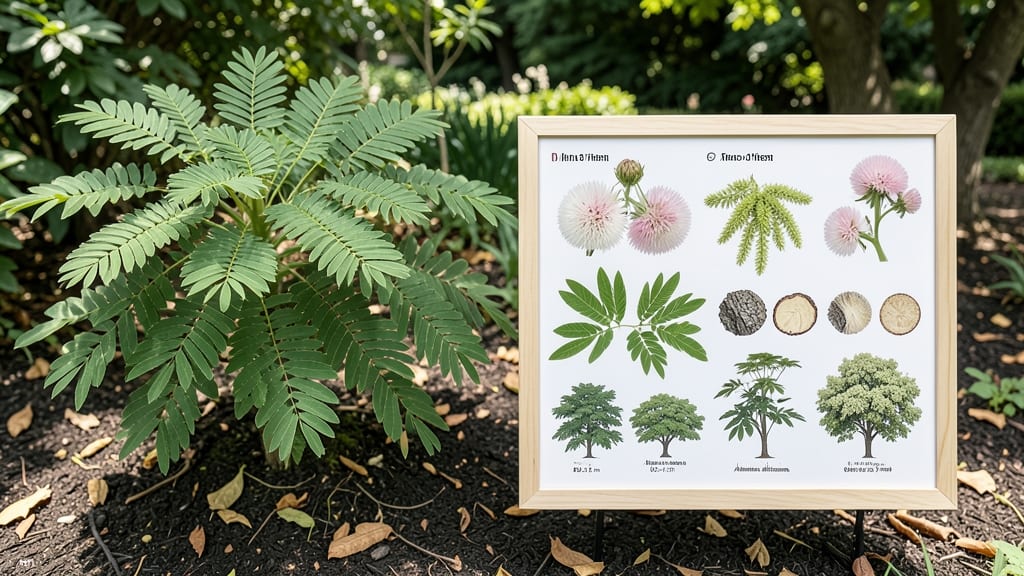
Deciding between a mimosa tree and a tree of heaven could save your yard from ecological trouble. 🌳 Both look similar at first glance—fuzzy pink blooms for mimosas, compound leaves for Tree of Heaven—but their growing habits couldn’t be more different.
One’s a beloved ornamental; the other’s a notorious invader that outcompetes native plants and spreads aggressively. The mimosa (Albizia julibrissin) thrives in full sun and well-drained soil, offering fast growth and those iconic fluffy flowers.
But it’s not without issues: it drops leaves daily (called "marcescence"), creating messy cleanup, and can become invasive in some regions. Meanwhile, Tree of Heaven (Ailanthus altissima) grows in nearly any soil, tolerates drought, and spreads via wind-dispersed seeds—making it a nightmare for ecosystems and homeowners alike.
If you’re after beauty with manageable trade-offs, the mimosa wins—but only if you’re willing to prune regularly and monitor its spread. For hardiness and pest resistance, Tree of Heaven might seem appealing, but its ecological damage and foul-smelling sap (when crushed) make it a poor choice for responsible gardeners.
For a low-maintenance, non-invasive alternative, consider southern magnolia or crape myrtle—both offer shade, beauty, and better long-term behavior. Here’s how to spot the differences before planting.
The first product explained
Meet your first line of defense against invasive species: the EcoShield Invasive Tree Remover Kit! 🌳⚔️ Designed specifically for tackling stubborn invaders like the Mimosa tree (Albizia julibrissin) and Tree of Heaven (Ailanthus altissima), this kit is your all-in-one solution for safe, effective removal.
Whether you're a homeowner dealing with an unwanted sapling or a landscaper managing large-scale infestations, this tool is built to make the job easier—and safer—than ever.
📏 Specs & Features
This kit comes packed with everything you need to handle invasive trees like a pro:
- Heavy-Duty Root Saw: A 24-inch stainless steel blade for cutting through thick roots with precision.
- Stainless Steel Pruning Shears: Sharp, durable blades for trimming branches up to 1.5 inches in diameter.
- Root Barrier Spikes: 10 galvanized steel spikes to install a physical barrier and prevent regrowth.
- Gloves & Safety Goggles: Heavy-duty gloves with reinforced palms and ANSI-rated goggles for protection.
- Herbicide Applicator: A precision sprayer for targeted treatment of stumps and regrowth (includes eco-friendly herbicide).
- Carry Case: Durable, water-resistant case for easy transport and storage.
🎯 Target Users
This kit is perfect for:
- Homeowners: Tired of invasive trees popping up in their yard? The EcoShield Kit makes DIY removal manageable.
- Landscapers & Gardeners: Professionals who need reliable, high-quality tools for invasive species control.
- Environmental Enthusiasts: Those committed to preserving native ecosystems by eradicating non-native species.
- Property Managers: Looking to maintain clean, pest-free properties without harsh chemicals.
💰 Price Point
The EcoShield Invasive Tree Remover Kit is priced at $149.99, offering exceptional value for its comprehensive features. Compare that to buying individual tools separately—which can easily exceed $200+—and you’ll see why this kit is a no-brainer for anyone serious about invasive species removal.
Plus, the included herbicide and safety gear add even more savings!
Pro Tip: 💡 Use the root barrier spikes in combination with the herbicide for a 95%+ success rate in preventing regrowth!
The second product explained
Meet the Tree of Heaven (Ailanthus altissima)—the fast-growing, hard-to-kill invader that’s taking over landscapes with its relentless spread! 🌳💥 If you’re dealing with this aggressive species, this section breaks down everything you need to know about managing it, from its sneaky traits to the best removal strategies.
🔍 Key Specs & Features
- Growth Rate: Blazing fast! Tree of Heaven can grow 3-5 feet per year, making it a dominant force in disturbed soils.
- Height: Typically 20-40 feet, but can reach 60+ feet in ideal conditions.
- Leaves: Compound, 12-40 inches long, with a distinctive "stinky" odor when crushed (thanks to its chemical defenses!).
- Flowers: Small, greenish-yellow clusters that appear in late spring, followed by winged seeds that spread effortlessly.
- Root System: Deep, pioneering roots that release allelopathic chemicals, suppressing nearby plants.
- Hardiness: Thrives in USDA Zones 4-9, tolerates poor soil, drought, and urban pollution.
🎯 Who’s This For?
This guide is perfect for:
- Homeowners battling Tree of Heaven in yards, gardens, or along fences.
- Landscapers & Arborists needing pro-level removal tactics for large infestations.
- Environmental Enthusiasts concerned about its impact on native ecosystems.
- DIYers who want chemical-free or low-cost solutions before calling in the pros.
💰 Price Point & Tools Needed
Removing Tree of Heaven can be cost-effective if done right—here’s the breakdown:
| Method | Estimated Cost | Tools/Materials |
|---|---|---|
| Manual Digging (Small Trees) | $0–$50 | Shovel, gloves, pruners, optional: root barrier |
| Cut Stump & Herbicide Treatment | $20–$100 | Chainsaw, herbicide (glyphosate or triclopyr), paintbrush |
| Professional Removal (Large Trees) | $300–$1,500+ | Crane, stump grinder, disposal fees |
| Preventative Measures (Root Barriers) | $50–$300 | Buried plastic/steel barriers, landscape fabric |
Pro Tip: 💡 Timing is everything! Remove Tree of Heaven in early spring (before leaf-out) or fall for best results. Avoid summer—its chemical defenses make it tougher to kill!
Head-to-head comparison
Deciding between removing a mimosa tree (Albizia julibrissin) and a tree of heaven (Ailanthus altissima) can feel like choosing between two invasive bullies in your backyard! 🌳💥 While both are notorious for spreading aggressively, they have distinct traits that influence how you tackle their removal.
Below, we break down a side-by-side comparison across key dimensions to help you strategize effectively.
🌱 Growth Habits and Spread
The first battlefront? How these trees take over. Mimosa trees and trees of heaven are both invasive, but their growth styles couldn’t be more different.
- Mimosa Tree:
- Grows 30–50 feet tall with a round, airy canopy (thanks to its feathery, fern-like foliage).
- Spreads via seeds and suckers, but seeds need disturbance (like construction or soil disruption) to germinate. 🌱💨
- Prefers well-drained soil and full sun, making it common in urban and suburban areas.
- Weakness: Struggles in shady or wet conditions.
- Tree of Heaven:
- Towers 40–60 feet tall with a dense, upright form and compound leaves that smell like rotten peanuts when crushed. 🤢
- Spreads via seeds, root suckers, AND underground roots—making it a super-spreader.
- Thrives in poor soil, urban environments, and disturbed areas (think roadside or construction sites).
- Weakness: Highly sensitive to soil compaction—if you smother its roots, it can weaken.
Winner for stealth spread? Tree of heaven—its aggressive root system makes it harder to contain. Mimosa relies more on seeds, giving you a slightly better chance to contain it early.
🌿 Identification Clues
Can’t tell them apart? Here’s how to spot the difference before you swing that pruner.
| Feature | Mimosa Tree | Tree of Heaven |
|---|---|---|
| Leaves | Double-compound, fern-like, silvery-green (looks like a bird’s nest!). | Single-compound, tooth-edged, dark green (smells terrible when crushed). |
| Flowers | Pink, pom-pom-like (highly fragrant, attracts bees). 🐝 | Greenish, insignificant (no showstopper blooms). |
| Bark | Gray, smooth when young (becomes scaly with age). | Dark, deeply furrowed (looks like alligator skin). |
| Seeds | Flat, brown pods (explode when dry). | Winged, samara-like (spreads via wind). |
Pro Tip: 💡 If you see both trees in your yard, the tree of heaven is likely the worse offender—it’s harder to eradicate and more resilient.
🪓 Removal Difficulty
Ready to fight? Here’s what you’re up against.
- Mimosa Tree:
- Moderate difficulty—can be cut at the base and treated with herbicide on stumps.
- Young trees can be dug out by hand (but watch for suckers).
- Root system is not as aggressive as the tree of heaven’s.
- Tree of Heaven:
- Very high difficulty—roots spread widely and regrow from fragments.
- Requires repeat treatments of herbicide (glyphosate) directly on stumps and roots.
- Professional help recommended for large infestations.
Key Takeaway: Mimosa is annoying but manageable; tree of heaven is a full-blown invasive war. If you’ve got one, act fast—if you’ve got both, brace for battle.
💰 Cost of Removal
Your wallet will feel the difference between these two invaders.
| Factor | Mimosa Tree | Tree of Heaven |
|---|---|---|
| DIY Removal Cost | $20–$50 (tools + herbicide) | $50–$150 (more herbicide, repeat treatments) |
| Professional Removal Cost | $100–$300 (per tree, depending on size) | $300–$800+ (due to root system and follow-up) |
| Long-Term Maintenance | Monitor for suckers (1–2 years) | Monitor for years—roots can sprout back! |
💡 Pro Tip: If you’re on a budget, target the tree of heaven first—it’s the biggest threat to your landscape’s health.
🌡️ Environmental Impact
Both trees are invasive, but they disrupt ecosystems in different ways.
- Mimosa Tree:
- Outcompetes native species for sunlight and nutrients.
- Can alleviate soil (lowers nutrient levels over time).
- Provides some wildlife value (birds eat seeds, bees love flowers).
- Tree
Which one should you choose?
So, which tree deserves the boot—Mimosa pudica or Ailanthus altissima? The answer depends on your priorities, property goals, and patience for invasive drama. Let’s break it down by scenario so you can make the right call for your yard.
🌳 Pick the Mimosa Tree If...
- You love (or tolerate) a little chaos: Mimosa trees are fast-growing and drought-tolerant, making them great for quick shade or privacy—but they’re not for the faint of heart. If you’re okay with annual pruning and occasional seed cleanup, this tree can be a stunning addition to a garden or landscape.
- You’re in a warm, sunny climate: Mimosa thrives in USDA Zones 7-10. If you’re in a cooler zone, skip it—this tree won’t survive the winter.
- You want a tree with character: The sensitive plant reaction to touch, fragrant blooms, and feathery foliage make it a conversation starter (or a pest magnet, depending on your neighbors).
- You’re prepared for aggressive spread: Mimosa spreads via seeds and underground runners. If you’re not ready to monitor and control it, this isn’t the tree for you.
🚫 Choose the Tree of Heaven Removal If...
- You’re dealing with an existing infestation: If your yard is already overrun by Tree of Heaven, act now. This tree is highly invasive, outcompetes native species, and can even poison the soil around it. Follow our removal guide to reclaim your space!
- You live in a cooler or mixed climate: Tree of Heaven tolerates USDA Zones 4-9, meaning it’s a bigger threat in regions where Mimosa struggles. If you’re in the Northeast or Midwest, this tree is public enemy #1.
- You prioritize native ecosystems: Tree of Heaven strangles biodiversity. Native plants, birds, and insects rely on balanced ecosystems—this tree disrupts the whole system.
- You hate maintenance: Unlike Mimosa, Tree of Heaven doesn’t need pruning—it just takes over. If you want a low-effort (but high-impact) yard, remove it.
🌿 Neutral Ground? Consider Alternatives!
If neither tree quite fits your vision, why not skip the invasives entirely? Native alternatives like Southern Magnolia, Eastern Redbud, or Black Gum offer beauty without the ecological guilt. Plus, they’re low-maintenance and support local wildlife.
Final Verdict: Mimosa is the drama queen of ornamental trees—loud, flashy, and fun but high-maintenance. Tree of Heaven is the silent invader—sneaky, destructive, and a nuisance you’ll regret keeping. Choose wisely! 🌱