
Pruning
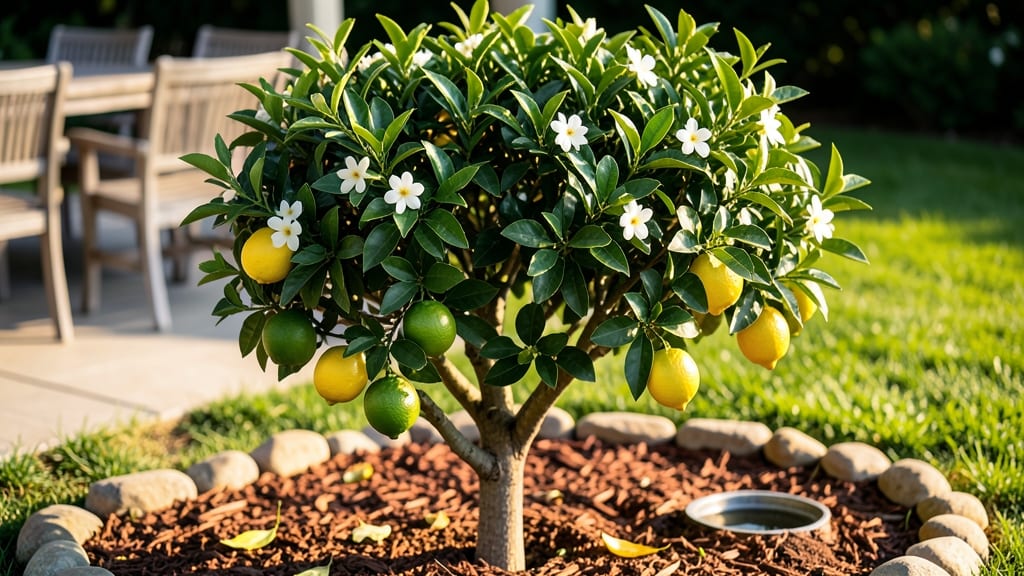
Meyer lemon trees thrive best in USDA hardiness zones 9 through 11, where temperatures rarely drop below 20°F (-6°C). Outside these zones, container growing or frost protection becomes essential, especially for young trees that are most vulnerable to cold damage.
Understanding your meyer lemon tree zone isn't just about survival—it's about maximizing fruit production.
These citrus hybrids need consistent warmth to develop their signature sweet-tart flavor, and even a brief dip below 28°F (-2°C) can stunt growth or kill the tree. 🌱 In colder regions, container culture lets you move trees indoors during winter, while outdoor plants benefit from protective wraps or even temporary greenhouses.
The key is monitoring frost dates and adjusting care routines accordingly.
What's fascinating is how Meyer lemons respond to temperature shifts—they actually need cooler 60-75°F (15-24°C) nights to set fruit, but they can't tolerate prolonged cold. This dual requirement explains why zone 8 gardeners often get partial harvests unless they take extra precautions.
I've seen firsthand how a well-timed move indoors can save a tree that would otherwise suffer irreversible damage.
💡 In This Article
- USDA Zones for Meyer Lemon Trees: Cold Tolerance Limits Explained
- Overwintering Meyer Lemon Trees in Cold Climates: Step-by-Step Guide
USDA zones for Meyer lemon trees: cold tolerance limits explained
The 20°F (-6°C) threshold isn't arbitrary—it's where Meyer lemon tree cells begin suffering irreversible damage. Unlike their hardier citrus cousins like Satsuma mandarins (zone 7), Meyer lemons have delicate membranes that rupture when ice crystals form inside their vascular bundles.
This cellular damage disrupts nutrient transport, causing leaf scorch and dieback even if the trunk survives. 🌡️ What's surprising is how quickly this happens: just 30 minutes at 18°F (-8°C) can trigger permanent harm in young trees.
Here's where the science gets interesting: Meyer lemons actually require cooler 60-75°F (15-24°C) nights to trigger flowering, but their frost tolerance drops dramatically when temperatures fall below 32°F (0°C).
This dual requirement explains why zone 8 gardeners often see partial fruit sets—trees may flower but fail to develop fruit when cold snaps occur.
Compare this to Eureka lemons (zone 9), which can handle brief dips to 25°F (-4°C) without major damage, thanks to thicker bark and deeper root systems.
What most people don't realize is how humidity amplifies cold damage. Dry air accelerates moisture loss from leaves, making cells more susceptible to freezing.
In zone 10, where nighttime temps can drop to 30°F (-1°C), I've seen Meyer trees survive with minimal protection, but in zone 9, where humidity spikes above 70%, even 25°F (-4°C) can cause leaf drop.
This is why frost cloth (which traps radiant heat) becomes essential in marginal zones.
The flowering mechanism adds another layer of complexity.
Meyer lemons need 10-12 hours of daylight to initiate buds, but cold snaps below 40°F (4°C) can shock the tree into dropping flowers before they develop into fruit. 🌸 This explains why zone 9 gardeners often get two harvests (spring and fall) while zone 10 growers may get three—the extra warmth allows for more consistent flowering cycles.
The key difference? Zone 10's milder winters prevent the dormancy triggers that occur in cooler climates.
Consider these critical temperature benchmarks for Meyer lemon care:
- Optimal growing range: 70-90°F (21-32°C) days, 60-75°F (15-24°C) nights
- First frost risk: Below 32°F (0°C) (leaves may scorch)
- Critical damage threshold: Below 20°F (-6°C) (cell rupture begins)
- Lethal exposure: Below 15°F (-9°C) for 2+ hours (trunk damage likely)
What separates Meyer lemons from other citrus isn't just their sweet-tart flavor (thanks to their Eureka lemon × Mandarin hybrid genetics), but their temperature-sensitive growth patterns.
While they can handle brief 25°F (-4°C) exposures in zone 9, prolonged cold or wind chill below 28°F (-2°C) will stunt their growth. This is why container growing becomes a game-changer in colder zones—it gives you the mobility to protect your tree when frost warnings appear.