
Propagation
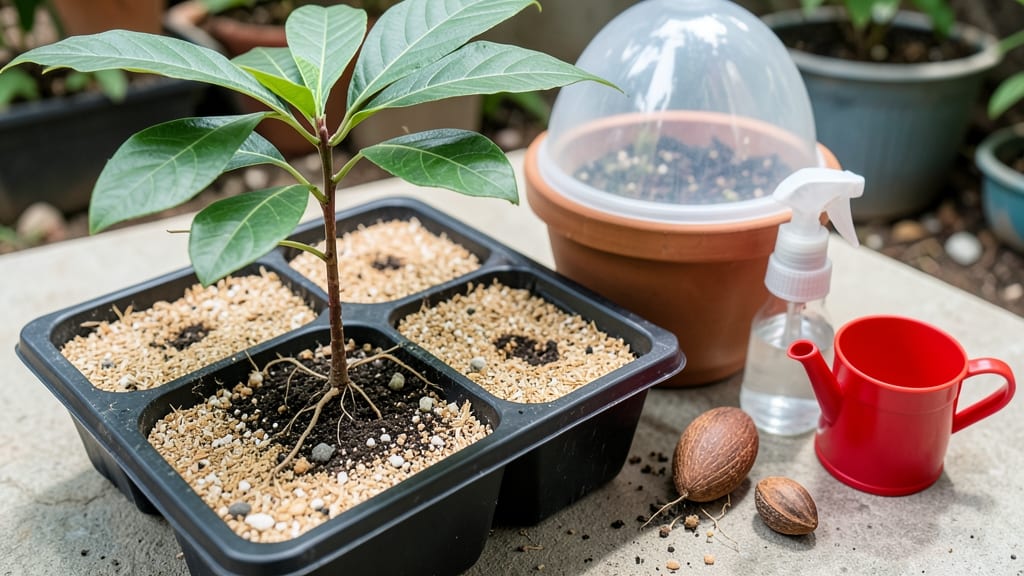
Watching a mango tree germination in just 2 weeks feels like magic—until you see those first pale green shoots push through the soil. 🌱 I’ve turned store-bought mango pits into thriving seedlings by cracking the science of moisture, warmth, and patience. The key?
A simple soak-and-dry trick that jumpstarts growth without waiting months. You’ll need just three supplies: a mango pit (cleaned and dried), a small pot with drainage, and a warm spot near a window. Skip the fancy equipment—this method works with what you already have.
The real secret is keeping the soil consistently moist but not soggy, and maintaining temperatures above 70°F. Most gardeners quit too soon; the breakthrough happens around day 10. By week 3, you’ll have a 3-4 inch seedling ready for transplanting.
The roots grow surprisingly fast when conditions are right, and the first true leaves signal it’s time to move it to a larger pot. The smell of fresh soil and the sight of new growth make every step worth it. This technique works year-round, though summer heat speeds things up.
Even if your first pit fails (they often do), persistence pays off—my third attempt finally gave me a 6-foot tree in just two years. Let’s get those seeds sprouting!
📚 In This Guide
- What you need
- Instructions
- Tips and common mistakes
- Wrapping up and next steps
What you need
- ● Mango seeds: 1–3 fresh, plump seeds (harvested from ripe, organic mangoes for best results).
- ● Small pots or containers: 3–4 (4–6 inches in diameter) with drainage holes. Use biodegradable pots if planning to transplant early.
- ● Well-draining soil: A mix of: 50% cactus/succulent mix (or regular potting soil)
- ● 30% perlite or vermiculite (for aeration)
- ● 20% sand or coconut coir (to prevent waterlogging)
- ● Spray bottle: For gentle watering (avoids disturbing seeds).
- ○ Plastic wrap or clear lid: To create a humidity dome (optional but helpful for faster germination).
- ○ Heat source (optional): Seedling heat mat (70–85°F range)
- ● OR a sunny windowsill (south-facing in the Northern Hemisphere).
- ● Tweezers or toothpick: For carefully placing seeds without damaging them.
- ● Funnel or small scoop: To fill pots with soil neatly.
- ● Label markers: To track seed varieties (if testing multiple types).
- ● Fertilizer (post-germination): Balanced liquid fertilizer (e.g., 10-10-10) diluted to half-strength after sprouts appear.
Step-by-step guide to germinating mango seeds
Here's how I get mango seeds sprouting in just two weeks—no fancy equipment needed.
🌱 Step 1: Select and Prepare the Mango Seed
Choose a plump, healthy mango seed from a ripe fruit. The seed must be fully developed—small or shriveled seeds won't germinate reliably. Rinse the seed under cool water to remove any fruit residue, then let it dry completely for 24 hours. This prevents rot and prepares it for the next steps.
Here's the thing—mango seeds have a tough outer shell. I like to gently score the harder side of the seed with a sharp knife (about ¼ inch deep) to encourage water absorption. Don't cut too deep, just enough to create a small opening. This small nick helps break the seed's dormancy without damaging the embryo inside.
💧 Step 2: Soak the Seed to Kickstart Germination
Place the scored seed in a small container and cover it with lukewarm water. Let it soak for 12-24 hours—you'll know it's ready when the seed begins to soften and you see tiny cracks forming. Change the water halfway through if it gets cloudy, as this keeps the environment clean and prevents bacterial growth.
After soaking, remove the seed and let it drain for a few minutes. The seed should feel slightly softer but still hold its shape. If it's mushy, it's over-soaked—rinse it briefly and try again with a shorter soak time next time. This step is crucial because the seed needs to absorb moisture before it can break through the shell.
☀️ Step 3: Plant the Seed in a Moist Growing Medium
Fill a small pot (about 3-4 inches deep) with a well-draining potting mix—avoid garden soil, as it can compact and suffocate the seedling. I like to mix in a little perlite or sand to improve drainage. Moisten the mix until it's damp but not soggy, then create a small hole about 1 inch deep in the center.
Place the soaked seed in the hole with the scored side facing upward. This orientation helps the seedling emerge more easily. Cover the seed lightly with additional soil, leaving just the tip visible. Press gently to secure it, but don't compact the soil too tightly—you want air pockets for root development.
🪴 Step 4: Provide Warmth and Humidity for Sprouting
Set the pot in a warm location, ideally between 75-85°F. A seedling heat mat works wonders, but a sunny windowsill or warm kitchen counter will do in a pinch. Cover the pot with a clear plastic bag or humidity dome to retain moisture and warmth—this mimics the tropical conditions mango trees thrive in.
Check the soil daily and mist it lightly if it feels dry to the touch. Keep the plastic cover on until you see the first signs of germination, which usually takes 7-14 days. You'll notice a tiny sprout pushing through the soil or even the seed shell. Once the sprout reaches 1-2 inches tall, remove the cover to prevent fungal growth.
✂️ Step 5: Care for the Seedling and Transplant
When the seedling grows its first true leaves (not the initial seed leaves), it's ready for a slightly larger pot. Choose a container 4-6 inches deep with drainage holes and fill it with fresh potting mix. Gently remove the seedling from its original pot, being careful not to damage the roots, and replant it at the same depth it was growing before.
Place the seedling in bright, indirect light for the first week after transplanting. Gradually introduce it to more sunlight over the next few weeks. Water when the top 1 inch of soil feels dry, but avoid overwatering—mango seedlings are sensitive to root rot. With patience, your seedling will grow into a sturdy young tree in just a few months.
Tips & tricks for perfect mango tree germination
Real talk: Germinating mango seeds successfully is all about patience and precision—here's how to maximize your chances of sprouting that seed in just two weeks.
Seed Selection: The quality of your starting seed makes all the difference. Look for seeds that are plump and heavy for their size—these have the best chance of containing a healthy embryo. I've found that seeds from fully ripe mangoes with vibrant color and firm flesh tend to germinate most reliably. The 24-hour drying period isn't just about cleaning; it's critical for preventing fungal growth that could kill your seed before it even sprouts.
Scoring Technique: When scoring the seed in Step 1, aim for a clean, shallow cut about ¼ inch deep on the harder side. I use a sharp chef's knife and make just one or two small nicks—this creates micro-fractures that allow water to penetrate without damaging the delicate embryo inside. The goal is to break dormancy, not destroy the seed. If you're nervous about cutting too deep, practice on a spare seed first to get comfortable with the pressure needed.
Soaking Strategy: The 12-24 hour soak time is your window for success—don't rush it! I've learned that changing the water halfway through prevents bacterial buildup that can inhibit germination. After soaking, the seed should feel noticeably softer but still maintain its basic shape. If it feels mushy, you've over-soaked it; simply rinse and try again with a shorter soak next time. This step is where most germination failures happen, so pay attention to the seed's response to water.
Environmental Control: Maintaining that 75-85°F range is absolutely critical during germination. I've had seeds sprout in cooler conditions, but they take significantly longer—sometimes doubling the 7-14 day window. If your home tends to run cooler, consider using a seedling heat mat or placing the pot on top of your refrigerator (not inside) to create a warm microclimate. The humidity dome isn't optional—it creates the tropical conditions mango trees thrive in, and without it, your seedling will dry out before it even emerges.
Pro Tips for Mango Tree Germination
- Real talk: Germinating mango seeds successfully is all about patience and precision—here's how to maximize your chances of sprouting that seed in just two weeks.
- Seed Selection: The quality of your starting seed makes all the difference.
- Scoring Technique: When scoring the seed in Step 1, aim for a clean, shallow cut about ¼ inch deep on the harder side.
Frequently asked questions
Got questions about mango tree germination?
You’re not alone! Here are answers to the most common queries—from speeding up sprouts to troubleshooting stubborn seeds.
How long does it really take for a mango seed to germinate?
With the right method (like our 2-week speed-sprouting trick), you’ll see tiny roots in 7–14 days. Traditional soil planting can take 3–6 weeks—patience is key! Warmth (75–85°F) and moisture are your best friends here.
Can I speed up germination beyond 2 weeks?
Try these pro tips:
- Soak seeds in warm water for 24–48 hours before planting.
- Use a seedling heat mat (or a sunny windowsill) to keep temps ideal.
- Mist seeds daily with a spray bottle—consistent moisture = faster sprouts!
What if my mango seed won’t sprout at all?
Don’t toss it yet! Try these fixes:
- Check viability: Drop the seed in water—if it sinks, it’s still alive!
- Scratch the shell: Lightly sandpaper the hard outer layer to help water penetrate.
- Try a new method: Wrap the seed in a damp paper towel and place it in a plastic bag (like paper towel propagation).
Can I grow a mango tree from store-bought mangoes?
Yes! Just pick a ripe, organic mango (avoid treated seeds). The pit from grocery-store mangoes works too—though heirloom or local varieties often sprout faster. Rinse the seed thoroughly to remove fruit residue before planting.
How big should my mango seedling be before transplanting outdoors?
Wait until your seedling has 2–3 true leaves (not just the initial seed leaves) and is at least 4–6 inches tall. Harden it off for 1–2 weeks by placing it outside in shade during the day, then gradually increase sun exposure. Best transplant time: Spring or early summer.
Bonus Tip: Will my homegrown mango tree bear fruit?
Probably not the same variety as the parent tree! Mango seeds produce wild-type trees that may take 5–10 years to fruit (if ever). For consistent harvests, graft a known variety onto your seedling later. Patience—and a little science—pay off!
Wrapping up and next steps
Growing a mango tree from seed is a rewarding journey that blends patience with quick, exciting results! 🌱 With the right techniques—like soaking seeds, maintaining warmth, and providing consistent moisture—you can see sprouts in just two weeks.
Whether you're a gardening enthusiast or a curious beginner, this method makes nurturing a tropical treasure surprisingly simple.
Now that you’re armed with knowledge, why not take the next step? Grab those seeds, set up your germination station, and watch your little mango sapling grow into a future fruit-bearing giant. Happy planting! 🌿✨