
Propagation
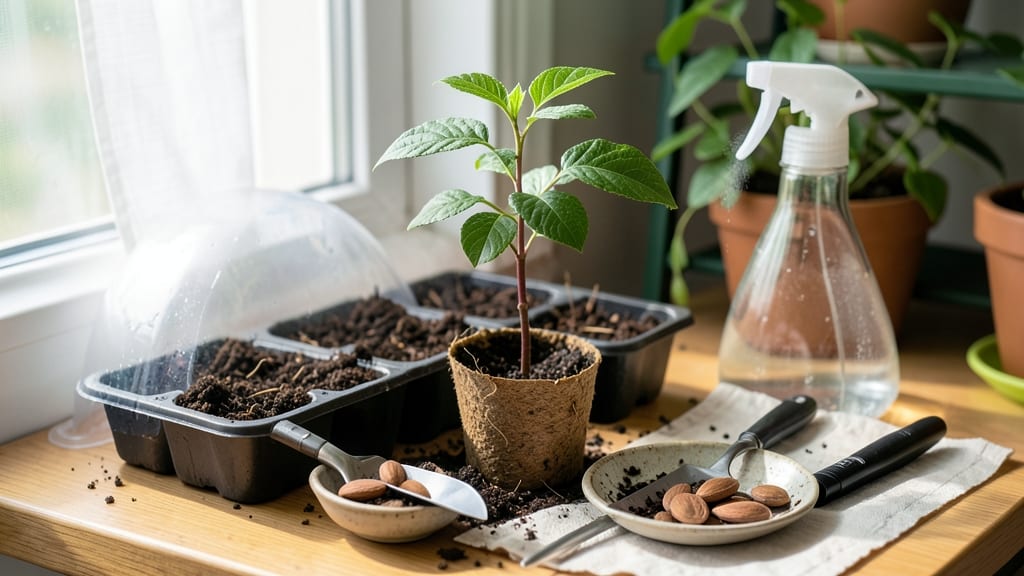
Starting a persimmon tree from seed feels like holding a tiny piece of future shade and golden fruit in your hands. 🌱 The secret to faster sprouting isn’t just patience—it’s knowing when to plant those plump, flat seeds and how to trick them into breaking dormancy.
I’ve learned the hard way that skipping this step means waiting months (or never seeing) a sprout, but with the right method, you’ll see tiny leaves in just 4-6 weeks instead of half a year.
Most persimmon seeds need stratification—a cold, damp period to mimic winter—before they’ll germinate. Simply wrap the clean seeds in a damp paper towel, tuck them in a sealed bag, and refrigerate them for 8-12 weeks. No fancy equipment needed, just your fridge and a little time.
Once they’re ready, plant them ½ inch deep in well-draining soil, keeping it consistently moist but never soggy. The key is warmth after cold: move them to a sunny windowsill or under grow lights once sprouts appear.
What you’ll end up with are sturdy seedlings that’ll grow into 20-foot trees with vibrant orange fruit in a decade. The first leaves are delicate but determined, and watching them unfurl is one of gardening’s quietest joys.
Just be patient—persimmons take time, but the payoff is worth every season of waiting. Ready to grow your own?
This method works for American persimmons (Diospyros virginiana) and Asian varieties alike, though some Asian types may need extra cold treatment. Whether you’re growing in a pot or straight in the ground, the same principles apply—just adjust the timing for your climate. Let’s get those seeds sprouting!
Germination Challenges Explained
Understanding why persimmon seeds struggle to sprout is half the battle—once you know the science behind it, you can troubleshoot like a pro. Persimmon seeds (Diospyros spp.) are notoriously slow and finicky, but their quirks make sense when broken down.
Here’s why your seeds might be playing hard to grow—and how to outsmart them.
Persimmon seeds are physiologically dormant, meaning they won’t sprout even when moist and warm because their embryos aren’t fully developed at harvest. This dormancy is a survival tactic—wild persimmons rely on cold stratification (a winter chill) to break it.
Without this step, enzymes and hormones inside the seed stay inactive, leaving it in a holding pattern.
What’s happening inside?
- Abscisic acid (ABA): This plant hormone acts like a "pause button," suppressing germination until conditions are ideal.
- Underdeveloped embryo: The seed’s tiny root (radicle) and shoot (plumule) may not have fully formed, requiring weeks or months to mature.
Actionable fix: Mimic winter by stratifying seeds in a damp paper towel or peat moss at 35–45°F (2–7°C) for 6–12 weeks. For tropical persimmons (Diospyros virginiana), a hot-cold cycle (alternating warm and cold periods) can also trick the seed into waking up.
Seeds need moisture to activate enzymes that break down stored nutrients—but persimmon seeds are extremely sensitive to both drought and waterlogging.
- Too dry: The seed’s outer coat (testa) hardens, blocking water absorption. Without moisture, metabolic processes stall.
- Too wet: Oxygen deprivation kicks in, leading to anaerobic conditions (like a suffocating blanket). Fungal infections or rot can set in within days.
Red flags to watch for:
- Seeds that feel shriveled or mushy when pressed.
- A sour or fermented smell (sign of rot).
Actionable fix:
- Use a 50/50 mix of perlite and peat moss (or coco coir) for drainage.
- Keep moisture consistent but not soggy—think of a wrung-out sponge. Mist seeds lightly every 2–3 days or use a humidity dome.
- Pro tip: 🌡️ Bottom-watering (placing the tray in an inch of water) reduces overwatering risks.
Persimmon seeds are thermally sensitive, with an ideal germination window of 70–85°F (21–29°C). Stray too far from this range, and growth grinds to a halt.
- Too cold (<60°F/15°C): Metabolic activity slows to a crawl. Seeds may sprout roots first but no shoot, a sign of chilling injury.
- Too hot (>90°F/32°C): Enzymes denature (break down), and the seed’s proteins shut down like a fried circuit board.
Regional realities:
- Cold climates: Start seeds indoors under grow lights to maintain warmth.
- Hot climates: Use a seedling heat mat (75°F/24°C) or shade cloth to prevent overheating.
Actionable fix:
- Test your setup: Use a soil thermometer to monitor temperature.
- Layer your approach: Stratify seeds in a cool fridge, then move them to a warm propagator once dormancy breaks.
Not every persimmon seed is a winner—genetics, age, and handling play a role in whether it’ll sprout.
- Old seeds: Persimmon seeds lose viability fast—after 6–12 months, germination rates plummet. Stored seeds (even in the fridge) may be biologically exhausted. - Damaged seeds: If the seed coat cracks or the embryo is crushed during extraction, it’s a no-go.
Look for plump, intact seeds with no soft spots. - Hybrid seeds: Seeds from cultivar persimmons (like ‘Fuyu’ or ‘Hachiya’) often won’t breed true and may not germinate reliably. Stick to wild-type or named species seeds.
Actionable fix:
- Test floaters: Drop seeds in water—sinkers are viable; floaters are duds.
- Fresh is best: Use seeds from recently fallen fruit (harvested in autumn) for the highest success rate.
- Quantity matters: Plant 5–10 seeds per attempt—germination rates can be as low as 30% even under perfect conditions.
Persimmon seeds are soft and nutrient-rich, making them a buffet for mold and bacteria.
Common culprits include: - Pythium (water mold): Thrives in overly wet conditions, causing black, mushy seeds. - Rhizoctonia: Causes brown lesions and stunted growth in early sprouts. - Bacterial soft rot: Leaves seeds smelly and slimy.
How to spot an infection:
- Fuzzy white/green mold on seeds or soil.
- Seeds that smell rotten before sprouting.
- Sprouts that collapse after emerging.
Actionable fix:
- Sterilize your setup: Wash containers and tools with a 10% bleach solution (1 part bleach to 9 parts water).
- Use fungicide: Drench seeds with hydrogen peroxide (3%) or cinnamon powder (natural antifungal) before planting.
- Avoid reused soil: Fresh, sterilized potting mix is non-negotiable.
Fixing Common Seedling Setbacks
Starting a persimmon tree from seed is a rewarding but delicate process, and even the most eager gardeners can hit snags. Whether your seeds refuse to sprout, seedlings wilt unexpectedly, or pests crash the party, these practical fixes will help you turn setbacks into success.
Below, we’ve mapped common problems to proven solutions—plus prevention tips to keep your persimmon seedlings thriving from day one.
If your persimmon seeds are stubbornly silent, the issue might be timing, moisture, or even the seed’s natural dormancy. Here’s how to coax them into action:
🔥 Cold Stratification Isn’t Working? Persimmon seeds often need a winter-like chill to break dormancy. If you skipped this step or didn’t mimic cold conditions long enough: - Fix it: Place seeds in a damp paper towel, seal them in a plastic bag, and refrigerate for 6–8 weeks.
Check weekly for mold—discard any slimy seeds. - Prevent it: Always cold-stratify persimmon seeds before planting. Skip this step, and you’re gambling with germination rates.
🌡️ Temperature Too Hot or Too Cold? Seeds need consistent warmth (around 70–75°F) to germinate. If your growing setup is off: - Fix it: Use a seedling heat mat ($10–$20) or place your tray on top of your fridge (not inside!).
Avoid windowsills where temps fluctuate wildly. - Pro tip: 💡 A clear plastic dome or zip-top bag creates a mini greenhouse effect—just prop open daily to prevent mold.
💧 Moisture Issues: Too Wet or Too Dry? Overwatering suffocates seeds; underwatering leaves them parched. Strike the right balance: - Fix it: - Soggy seeds? Move to a well-draining tray with perlite or sand mixed into the soil.
Bottom-water by placing the tray in ½ inch of water for 10 minutes. - Dry seeds? Mist the soil lightly with a spray bottle (aim for damp, not soaked).
Use a moisture meter ($5) to check—ideal soil should read ~40% moisture. - Prevent it: Use a self-watering seedling kit or a spray bottle instead of a watering can to avoid disturbing seeds.
Tiny invaders or fuzzy mold can derail your progress. Act fast with these organic fixes:
🐜 Aphids or Spider Mites Invading? These sap-suckers weaken seedlings overnight.
Spot them? Squash them now. - Fix it: - Blast them off with a strong stream of water from a hose (gentle enough not to uproot seedlings). - Spray neem oil (1 tsp neem oil + 1 quart water + drop of dish soap) every 5–7 days.
Reapply after rain. - Prevent it: Keep seedlings in bright, indirect light (pests love shady, humid spots) and space them 2 inches apart for airflow.
🍄 White Fuzzy Mold (Powdery Mildew)? Humidity + poor airflow = fungal party.
Stop it before it spreads: - Fix it: - Isolate infected seedlings and toss them (don’t compost—spores spread!). - Spray with baking soda mix (1 tsp baking soda + 1 quart water + dash of soap) weekly. - Increase airflow by placing a small fan (low setting!) 1–2 feet away for 1–2 hours daily. - Prevent it: Water at soil level (not overhead) and avoid overcrowding.
If your sprouts stretch tall and wobbly, they’re begging for light and nutrients. Here’s how to bulk them up:
💡 Not Enough Light? Leggy seedlings = light deficiency. Fix it before they flop:
- Fix it:
- Move seedlings within 6 inches of a grow light (LED or fluorescent).
Leave lights on 14–16 hours/day. - Rotate trays daily so they grow straight (not lopsided). - Prevent it: Start with a seedling heat mat + grow light combo from day one.
🍽️ Nutrient Deficiency? Weak, yellowing leaves? Your seedlings are hungry. Feed them gentle, balanced fertilizer:
- Fix it:
- Switch to half-strength liquid fertilizer (like 5-5-5 or fish emulsion) 2 weeks after sprouting.
- Avoid overdoing it—too much salt burns roots.
Flush soil with water after fertilizing. - Pro tip: 🌡️ Epsom salt boost (1 tsp per gallon of water) once a month gives seedlings a magnesium kick for greener leaves.
If seedlings struggle after moving to soil, they’re in transplant shock. Soothe them with these steps:
🏡 Hardening Off Gone Wrong? Seedlings wilt after their first taste of outdoor life?
They’re not ready for the elements. - Fix it: - Gradual exposure: Start with 1 hour outside in partial shade, then increase by 1 hour daily over 7–10 days. - Water deeply before and after moving them to reduce stress. - Prevent it: Acclimate slowly—rush it, and you’ll lose seedlings to shock.
🪴 Soil Too Compacted or Poor-Draining? Heavy clay or rocky soil strangles roots.
Loosen it up: - Fix it: - Amend soil with compost + perlite (50/50 mix) for better drainage. - Gently loosen roots before transplanting (don’t tease them apart—just untangle). - Prevent it: Use well-draining pots (like fabric grow bags) if planting in heavy soil.
Final Reminder: Persimmon seeds are finicky, but with patience and these fixes, you’ll watch those first true leaves unfurl like magic. 🌟 Bookmark this guide—you’ll thank yourself when your first persimmon tree flowers in 5–7 years!
Frequently asked questions
Do I need to clean persimmon seeds before planting?
Yes, always rinse and dry the seeds first! Remove any remaining fruit pulp by gently rubbing them with water, then let them air-dry for 24 hours to prevent mold. The flat, plump seeds are ready when they feel firm and smell clean. Never plant seeds with pulp residue—it attracts fungi and delays germination.
Can I skip the cold stratification step?
Not recommended! Persimmon seeds often need 6-12 weeks of cold treatment to break dormancy. Without it, germination rates drop dramatically. For faster results, use a fridge for stratification—just place damp seeds in a sealed bag and store them at 35-45°F (2-7°C). Some tropical varieties may need less time, but always stratify for best results.
How deep should I plant persimmon seeds?
Plant seeds just ½ inch deep in well-draining soil. The key is keeping them covered but not buried too deeply—persimmons need light to trigger germination. Use a fine soil mix with perlite or sand to prevent waterlogging. After planting, keep the soil consistently moist (not soggy) until sprouts appear.
When will my persimmon seedlings be ready to transplant?
Seedlings are ready when they have 2-3 sets of true leaves (about 3-4 months after germination). Harden them off by gradually exposing them to outdoor conditions over 1-2 weeks before planting. Choose a sunny spot with well-draining soil, and space young trees 15-20 feet apart—they’ll grow large!
Will my homegrown persimmon tree produce fruit?
Yes, but it takes patience! Persimmon trees grown from seed typically produce fruit in 5-10 years. The fruit may not match store-bought varieties—seed-grown trees often have smaller, more tart fruit. For consistent harvests, consider grafting later, but enjoy the journey of growing your own unique tree!