
Pruning
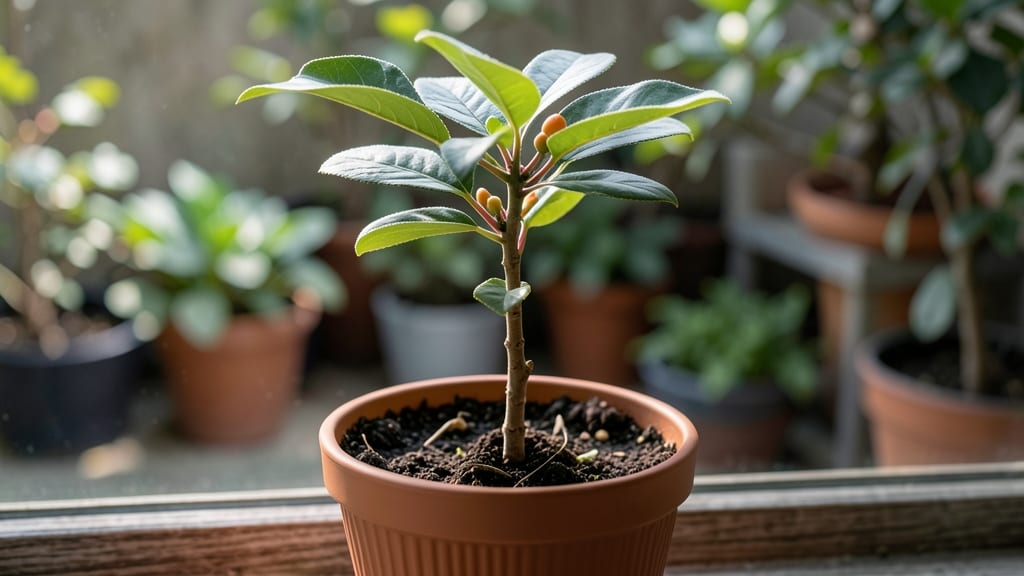
Cold-stratifying a loquat tree seedling unlocks the first step to growing your own fruit tree. 🌱 I’ve watched these subtropical gems break dormancy after just 4 weeks in the fridge—no fancy equipment needed. The secret lies in mimicking winter’s chill, which tricks the seed into thinking spring has arrived.
You’ll need a plastic bag, damp paper towels, and a little patience. Place the seed between two damp towels, seal it in the bag, and refrigerate for 3-4 weeks. That’s all it takes to jumpstart germination before you even plant it.
Most seeds sprout within 7-14 days after coming out of cold storage. Once it’s ready, transplant into well-draining soil and give it full sun (6+ hours daily). The first true leaves signal it’s ready for its forever home—whether in a pot or garden bed.
Just remember: loquats thrive in USDA zones 8-11, so if you’re in a colder climate, keep it potted and move it indoors for winter. The payoff? A tree that can live for decades, bearing sweet, fragrant fruit.
Here’s how to keep it thriving through every stage—from that first sprout to your first harvest.
📚 In This Guide
- What you need
- Instructions
- Tips and common mistakes
- Wrapping up and next steps
What you need
- ● Loquat seeds: 5–10 fresh, plump seeds (harvested from ripe fruit; avoid shriveled or damaged ones)
- ● Paper towels or coffee filters: 2–3 sheets (for moisture retention during stratification)
- ● Plastic zip-top bags: 1–2 (quart-sized or larger, for sealing seeds)
- ● Water: Distilled or room-temperature tap water (enough to lightly dampen towels)
- ● Small container or tray: For holding seeds during stratification (e.g., a shallow dish or plastic container)
- ● Potting mix: 1–2 gallons of well-draining, sterile mix (50% peat moss, 50% perlite or sand)
- ● Seedling pots: 4–6 small pots (3–4 inches in diameter) with drainage holes
- ● Spray bottle: For gentle watering post-germination
- ● Grow lights or sunny windowsill: Access to 6+ hours of indirect light daily
- ● Refrigerator: For cold stratification (must stay at 35–40°F (2–4°C))
- ○ Thermometer: Optional but helpful for monitoring fridge temps
- ● Humidity dome or plastic wrap: To retain moisture in pots during germination
- ● Fertilizer: Balanced, water-soluble fertilizer (e.g., 10-10-10) for post-germination care
- ● Pruning shears: Small pair for future trimming (once seedlings mature)
- ● Label markers: To track seedling progress and planting dates
How to germinate loquat tree seeds using cold stratification
Here's the straightforward method I've used to break dormancy and get loquat seeds sprouting reliably.
🌱 Step 1: Extract and Prepare the Seeds
Start with fresh loquat seeds—remove them from the fruit pulp and rinse off any remaining flesh under cool water. The seeds need to be clean but not dried out. I like to soak them in lukewarm water for 24 hours first; this softens the outer shell and helps prevent cracking later. After soaking, drain them well and let them air-dry slightly on a paper towel for 30 minutes—just until the surface feels dry to the touch.
Here's the thing—don't skip the drying step. If the seeds stay too wet, they'll rot in the cold stratification process. You want them damp but not soggy. Once they're ready, wrap them individually in a damp paper towel. I use a clean, lint-free towel to avoid introducing any contaminants that could harm the seeds.
🧊 Step 2: Cold Stratify for 4 Weeks
Place the wrapped seeds in a ziplock bag and seal it tightly to maintain moisture. Now, here's where it gets critical: you need to keep them in a refrigerator (not freezer) at 35-40°F for 4 weeks. I store mine in a clear container on the middle shelf—this temperature range mimics winter conditions and breaks the seed's dormancy.
Check the seeds every 7-10 days to ensure the paper towel stays damp but not soaked. If it feels dry, lightly mist it with water and reseal the bag. You'll see no visible changes during this time—that's normal. The magic happens internally as the cold triggers germination hormones.
☀️ Step 3: Move to Warmth for Germination
After 4 weeks, remove the seeds from the refrigerator and place them in a warm, dark spot (like on top of the fridge) for 1-2 weeks. This shift to warmth signals the seeds to start growing. I like to use a small container with a lid to create a mini greenhouse effect—just enough to trap moisture without letting it get soggy.
Watch for the first signs of life: tiny white roots breaking through the seed coat. This usually happens within 7-14 days after moving them to warmth. Once you see roots, it's time to plant them. Don't wait too long—once the roots are ½ inch long, they'll start to dry out if left exposed.
🪴 Step 4: Plant in Germination Mix
Fill small pots (2-3 inches deep) with a light, sterile seed-starting mix—nothing heavier than potting soil. Make a small hole (½ inch deep) with your finger and place the seed inside, root-side down. Cover it lightly with a sprinkle of mix, just enough to hold it in place. I use a spray bottle to mist the soil until it's damp but not wet.
Place the pots in a warm, bright spot (like a south-facing windowsill) but avoid direct sunlight at first. Loquat seedlings are sensitive to heat stress. You'll see the first true leaves emerge in 2-4 weeks—this is your cue that the seedling is established and ready for more light. Keep the soil consistently moist during this time, but never soggy.
⏰ Step 5: Transition to Grow Light
Once the seedlings have 2-3 sets of true leaves, move them under a grow light for 12-14 hours daily. A full-spectrum LED bulb works best. Position it 4-6 inches above the seedlings and adjust as they grow. You'll notice the seedlings stretch toward the light—this is normal, but if they get too leggy (thin and weak), lower the light slightly.
Loquat seedlings grow slowly at first, so don't rush them. After 8-10 weeks, they'll be ready for transplanting into larger pots. This is the moment that matters: patience now means a stronger tree later. Real talk—if you rush this step, the seedlings may struggle to adapt to outdoor conditions later on.
Tips & tricks for perfect loquat seedling germination
Cold stratification might sound complicated, but these simple tricks will help you avoid common pitfalls and get those loquat seeds sprouting reliably.
Soaking Secret: That 24-hour soak in lukewarm water isn't just about softening the seed shell—it's also helping to flush out any residual sugars from the fruit pulp that could attract mold. I like to use a glass jar so I can see the seeds floating, which tells me they're properly hydrated. After draining, those 30 minutes of air-drying on a paper towel are crucial: the seeds should feel damp to the touch but not wet. This prevents rot during the cold stratification phase.
Temperature Precision: The 35-40°F range in your refrigerator is perfect for breaking dormancy, but not all fridges are created equal. If your fridge runs cooler (like the crisper drawer), move the container to the main compartment where temps are more stable. I've seen seeds fail to germinate when kept too cold—this is why I always check my fridge's temperature with a thermometer before starting. The middle shelf is typically the safest bet for consistent 35-40°F conditions.
Moisture Management: During the 4-week cold stratification, the damp paper towel should feel like a wrung-out sponge—not dripping, not bone-dry. I check mine every 7-10 days by gently squeezing the towel between my fingers. If it feels dry, I mist it lightly with water and reseal the bag immediately. The key is maintaining that perfect balance: too dry and the seeds won't germinate; too wet and they'll rot before they even think about sprouting.
Warmth Transition: When moving seeds to warmth after 4 weeks, don't be tempted to rush this step. The 1-2 weeks in a warm, dark spot (like on top of your fridge) is when the real magic happens. I've seen seeds start to germinate within just 7 days of this transition, but others take the full 14 days—patience is key. Watch for those first tiny white roots breaking through the seed coat; once you see them, it's time to plant immediately. Waiting too long risks the roots drying out before they can establish themselves in soil.
Pro Tips for Loquat Tree Seedling
- Cold stratification might sound complicated, but these simple tricks will help you avoid common pitfalls and get those loquat seeds sprouting reliably.
- Soaking Secret: That 24-hour soak in lukewarm water isn't just about softening the seed shell—it's also helping to flush out any residual sugars from the fruit pulp that could attract mold.
- Temperature Precision: The 35-40°F range in your refrigerator is perfect for breaking dormancy, but not all fridges are created equal.
Frequently asked questions
Got questions about growing loquat tree seedlings? You’re not alone! Here are answers to the most common queries to help you succeed with cold-stratified germination.
How do I know if my loquat seeds are viable before starting cold stratification?
Test viability by placing seeds in a glass of water. If they sink (rather than float), they’re likely viable. Pro tip: Choose plump, firm seeds—they’re more likely to germinate successfully.
Can I skip cold stratification and just plant loquat seeds directly?
Nope! Loquat seeds require cold stratification (4–6 weeks in the fridge) to break dormancy. Skipping this step may result in slow or failed germination. Patience pays off—wait it out!
What’s the best temperature for cold stratification?
Aim for 35–40°F (2–4°C) in the fridge. Use a damp paper towel to keep seeds moist but not soggy. Avoid freezing temps—they can damage the seeds.
How long does it take for loquat seedlings to sprout after stratification?
Germination usually starts in 2–4 weeks after removing seeds from cold storage. Keep soil warm (70–75°F) and moist for best results. Patience is key—don’t overwater!
What should I do if my seeds mold or rot during stratification?
If you spot mold, discard the affected seeds immediately. To prevent rot, ensure good airflow (use a breathable container) and avoid excess moisture. Sterilize tools with rubbing alcohol if reusing.
Wrapping up and next steps
Growing a loquat tree seedling through cold-stratified germination in just four weeks is a rewarding process that blends patience with simple techniques!
By following the right steps—from selecting fresh seeds to maintaining optimal moisture and temperature—you’re well on your way to nurturing a thriving young tree. Your green thumb is making a difference, one seedling at a time!
Now that you’ve mastered the basics, why not take the next step? Plant your germinated seedlings outdoors (or in a larger pot) and watch them grow into a lush, fruit-bearing tree. Happy gardening! 🌱✨