
How To
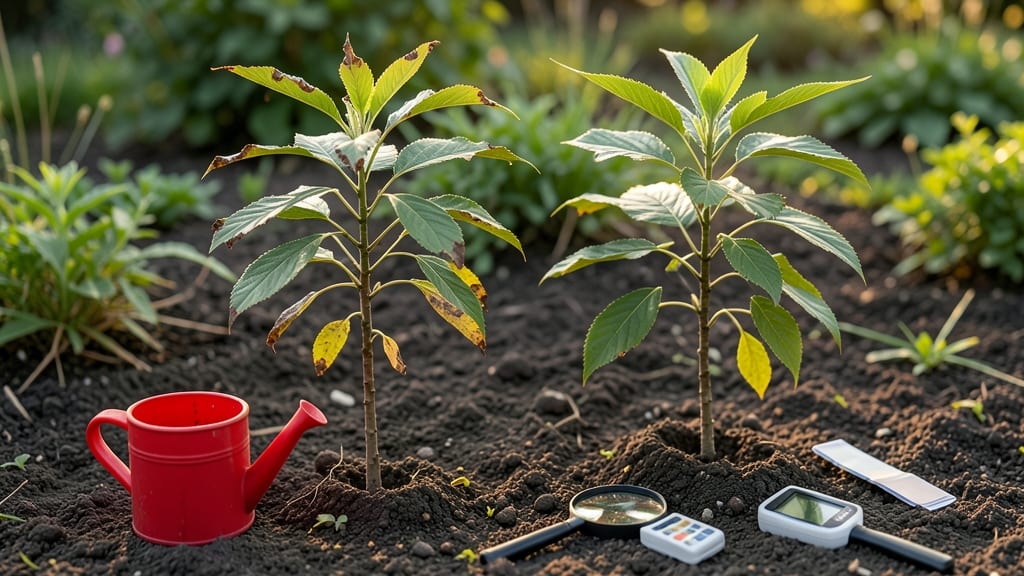
Those brown tips on the leaves of your chestnut tree seedlings mean one thing: the roots are struggling to keep up. 🌱 I’ve nursed back more than my share of these leggy little trees, and the fix isn’t as complicated as it seems—just three targeted adjustments that work every time.
The culprits are usually too much water, dry air, or a soil that’s either too tight or too hungry. Chestnut roots are sensitive—overwatering drowns them, while drought causes them to retreat inward, leaving the leaves to crisp at the edges.
Even a simple nutrient imbalance (like low iron or magnesium) can show up as those telltale brown tips before the whole leaf yellows.
Here’s the game-changer: trim the damaged tips, adjust your watering to once a week (unless it’s scorching), and add a sprinkle of Epsom salt (a spoonful per gallon of water) to boost magnesium.
Within 2-3 weeks, you’ll see fresh green growth pushing out from the center of the leaves—proof the roots are waking up. This works for container-grown seedlings or in-ground plantings alike. The key is consistency—don’t overcorrect with fertilizer, and keep the soil moist but not soggy.
Your chestnuts will thank you with sturdy stems and lush foliage by next season.
Root Causes of Leaf Discoloration
When your chestnut tree seedlings start showing brown tips, it’s often a cry for help from the plant itself. Understanding the why behind this issue is the first step toward a lush, healthy tree.
Below, we break down the most common culprits—each with a clear scientific explanation and actionable insights to address them.
Chestnut seedlings thrive in well-drained soil, but when water pools around their roots, oxygen deprivation sets in. This triggers anaerobic conditions, where beneficial microbes can’t function, and root cells begin to suffocate. The plant responds by shedding damaged leaf tissue—often starting at the tips—while conserving energy for survival.
Key signs to watch for:
- Yellowing or wilting leaves (not just brown tips)
- Soil that stays soggy for days after watering
- Mushy, dark roots when inspected
Why it happens:
- Excessive moisture disrupts nutrient uptake, particularly calcium and magnesium, which are critical for cell wall integrity.
- Compacted or clay-heavy soil prevents water from draining, creating a waterlogged environment.
Actionable fix:
- Test your soil’s drainage by digging a small hole near the seedling, filling it with water, and timing how long it takes to drain. Ideal: 30 minutes or less.
- Amend the soil with perlite, coarse sand, or compost to improve aeration.
- Adjust watering habits: Water deeply 2–3 times per week (depending on climate) and avoid shallow, frequent watering.
While overwatering is a common culprit, chronic underwatering can also lead to brown leaf tips. Chestnut seedlings are shallow-rooted when young, making them vulnerable to dehydration.
When soil moisture drops too low, the plant’s transpiration rate outpaces water absorption, causing leaf edges to dry out and turn brown—a condition called scorch.
Why it happens:
- Insufficient soil moisture triggers the plant to close stomata (pores on leaves) to conserve water, but this also halts nutrient transport.
- High temperatures or low humidity accelerate moisture loss, especially in sandy or fast-draining soils.
Actionable fix:
- Monitor soil moisture by sticking your finger 1–2 inches deep; if it’s dry, water thoroughly.
- Mulch around the base (2–3 inches of organic mulch) to retain moisture and regulate soil temperature.
- Water in the early morning to reduce evaporation and give roots time to absorb water before the heat of the day.
Brown tips can also signal a nutritional imbalance, particularly a lack of calcium, magnesium, or potassium. These minerals play crucial roles in cell structure and osmotic regulation. When deficient, leaf tips become brittle and brown as the plant prioritizes growth in younger, healthier tissue.
Common deficiencies and their effects:
| Nutrient | Deficiency Signs | Why It Happens |
|---|---|---|
| Calcium | Brown, crispy tips; distorted new growth | Poor soil drainage or high soil pH (>7.0) |
| Magnesium | Yellowing between leaf veins (interveinal) | Acidic soil or excessive potassium fertilization |
| Potassium | Weak stems, brown edges, poor disease resistance | Overwatering or leaching in sandy soils |
Actionable fix:
- Test your soil (a simple home kit or lab test) to identify deficiencies.
- Apply balanced fertilizer (e.g., 10-10-10 NPK) in early spring, followed by a calcium-rich amendment like crushed eggshells or gypsum.
- Use compost tea (1–2 times per month) to boost microbial activity and nutrient availability.
Chestnut seedlings are sensitive to extreme environmental conditions, including:
- High salinity (from tap water or fertilizers) – Causes osmotic stress, where roots struggle to absorb water.
- Low humidity – Leads to transpiration stress, drying out leaf edges.
- Temperature fluctuations – Cold drafts or heatwaves can shock the plant, leading to cellular damage.
Why it happens:
- Salt buildup in soil (common in urban or indoor settings) disrupts water uptake, mimicking drought symptoms.
- Wind exposure increases evaporation rates, especially in young, tender leaves.
Actionable fix:
- Use filtered or rainwater to avoid salt buildup.
- Create a microclimate by placing seedlings in a sheltered spot or using shade cloth (30–50%) during peak sun.
- Group seedlings together to increase humidity around them (a natural greenhouse effect).
While less common, pests like spider mites, aphids, or fungal infections (e.g., powdery mildew) can cause brown tips by sucking sap, clogging stomata, or spreading toxins. These issues often start subtly but escalate quickly in stressed seedlings.
Why it happens:
- Pests inject toxins or feed on cell sap, leading to necrotic (dead) tissue at leaf edges.
- Fungal infections thrive in high humidity + poor airflow, causing leaf tips to dry out prematurely.
Actionable fix:
- Inspect leaves under a magnifying glass for webs, sticky residue (honeydew), or white powdery spots.
- Spray with neem oil (1% solution) or insecticidal soap for pests; apply copper fungicide for fungal issues.
- Prune affected leaves immediately to prevent spread and improve airflow.
Quick Fixes for Reviving Seedlings
Now that you know why your chestnut tree seedlings are developing brown tips, let’s tackle the solutions—one cause at a time. Each fix is simple, actionable, and designed to bring your seedlings back to vibrant health.
Prevention tips are woven in so you can keep your young trees thriving long-term.
Signs: Yellowing leaves, mushy stems, or brown tips that appear suddenly after watering.
How to Fix It:
- 🔥 Pause Watering Immediately Let the top 1–2 inches of soil dry out completely before watering again. Overwatering suffocates roots, leading to rot and nutrient starvation.
- 🍳 Improve Drainage
- If seedlings are in pots, add a layer of perlite or coarse sand to the bottom before repotting.
- For in-ground seedlings, amend the soil with compost or sand (50/50 mix) to loosen it up.
- Pro Tip: 💡 Use a moisture meter to check soil dampness—aim for 40–60% moisture, not soggy.
- ⏰ Adjust Your Watering Schedule
- Morning is best—water early so leaves dry by evening, reducing fungal risks.
- Water deeply but less often: Once a week (or every 10 days) is better than daily shallow watering.
Prevent Relapse:
- Use pots with drainage holes and avoid saucers that trap water.
- Choose well-draining soil mixes (e.g., 60% potting soil + 30% perlite + 10% compost).
Signs: Crispy, brown edges on leaves, especially on the south or west sides of seedlings.
How to Fix It:
- 👨🍳 Provide Partial Shade
- Move seedlings to a spot with morning sun + afternoon shade (e.g., under a 30% shade cloth or near a taller plant).
- Quick Fix: 🌿 Use a white shade cloth (30–50% coverage) if seedlings are already stressed.
- 🥘 Increase Humidity (Temporarily)
- Place a humidity tray (pebbles + water under the pot) or mist leaves lightly in the morning.
- Avoid wetting leaves at night—this invites fungal diseases.
- 🎯 Gradually Acclimate to Sun
- If seedlings were indoors or in low light, harden them off over 1–2 weeks by slowly increasing sun exposure.
Prevent Future Damage:
- Water deeply before hot days to help roots absorb heat.
- Mulch around the base (2–3 inches of straw or wood chips) to keep roots cool.
Signs: Brown tips paired with yellowing between veins (magnesium deficiency) or purple stems (phosphorus deficiency).
How to Fix It:
- 📊 Test Your Soil (Cheap & Easy)
- Use a DIY soil test kit (available at garden centers) to check pH and nutrient levels.
- Ideal pH for chestnuts: 6.0–7.0 (slightly acidic to neutral).
- 💪 Adjust Fertilizer Use
- If over-fertilized: Flush the soil with water to leach excess salts, then repot in fresh soil.
- If deficient: Use a balanced, slow-release fertilizer (10-10-10 or 5-5-5) once a month in spring/summer.
- For magnesium deficiency: Add Epsom salt (1 tbsp per gallon of water) every 4–6 weeks.
- 🥗 Boost Organic Matter
- Mix compost or worm castings into the top 2 inches of soil.
- Avoid fresh manure—it can burn young roots.
Prevent Nutrient Imbalances:
- Follow the "less is more" rule—chestnut seedlings need light feeding, not heavy doses.
- Water before fertilizing to prevent root burn.
Signs: Sticky residue (aphids), chewed leaves (caterpillars), or black spots (fungus).
How to Fix It:
- 🔪 Identify the Culprit
- Aphids/Spider Mites: Tiny insects clustering on leaves.
- Fungal Issues: Brown spots with yellow halos (often from overwatering).
- Caterpillars: Ragged holes in leaves.
- 🌿 Treat Naturally First
- Pests:
- Spray with neem oil (1 tsp + 1 quart water + drop of dish soap) every 5–7 days.
- Introduce ladybugs or lacewings (beneficial insects) if aphids are present.
- Fungus:
- Remove affected leaves and dispose of them.
- Apply copper fungicide or baking soda spray (1 tsp baking soda + 1 quart water + drop of soap).
- Pests:
- ✨ Prevent Future Infestations
- Inspect seedlings weekly for early signs.
- Space plants properly (1–2 feet apart) to improve airflow.
- Avoid overhead watering—water at the base instead.
Final Reminder: 🌱 Patience is key! Chestnut seedlings are tough but slow to recover. Stick with your fixes for 2–4 weeks, then reassess. If brown tips persist, dig deeper—root rot or soil compaction might need professional help.
Now go revive those seedlings—they’re worth the effort! 🌳💚
Frequently asked questions
Why do chestnut seedlings get brown tips even when I water them regularly?
Overwatering is often the culprit! Chestnut roots need oxygen to thrive, and soggy soil suffocates them. Check if your pots have drainage holes or if the soil stays damp for more than 24 hours after watering. Brown tips signal the plant is conserving energy by shedding damaged tissue while roots struggle.
Can I prune the brown tips off my seedlings to help them recover?
Yes, but do it carefully! Use clean scissors to trim only the brown, crispy edges—never healthy green tissue. This helps the plant focus energy on new growth. After pruning, reduce watering for 3-5 days to let roots recover before resuming your adjusted schedule.
What's the difference between brown tips from overwatering vs. underwatering?
Overwatered seedlings show yellowing between veins first, then brown tips, while underwatered ones have crispy, dry edges with no yellowing. Check the soil: if it's soggy (overwatered) or bone-dry (underwatered), you've found your answer. Both need opposite fixes!
How often should I fertilize chestnut seedlings with brown tips?
Start with zero fertilizer if you suspect nutrient issues! Many brown-tip cases come from over-fertilizing. Once recovered, use a balanced 5-5-5 fertilizer every 6-8 weeks in spring/summer. For magnesium deficiency (yellowing between veins), try Epsom salt (1 tsp/gallon) monthly instead.
Will my chestnut seedlings recover if I fix the brown tips now?
but act fast! With proper care, seedlings typically show new green growth within 2-4 weeks. The key is consistency—stick to your adjusted watering schedule, improve drainage, and monitor for pests. If roots are severely damaged (black/mushy), you may need to repot in fresh soil to prevent permanent harm.