
Pruning
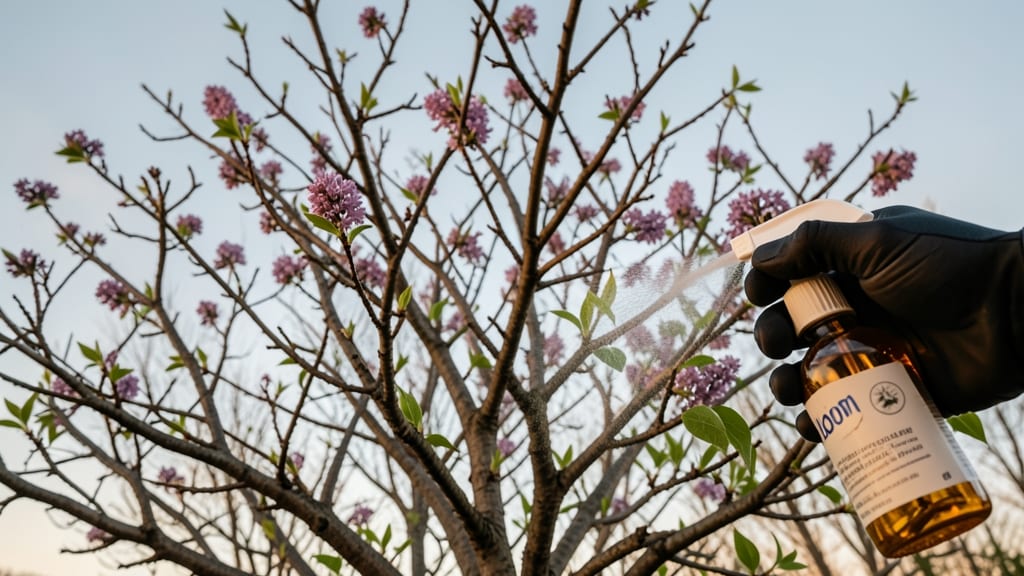
Revitalize your lilac tree's growth and accelerate those fragrant blooms with these 10 proven sprouting techniques. Whether you're dealing with dormant branches or struggling saplings, these year-round hacks will transform your lilac's potential.
Early Spring Root Pruning Technique
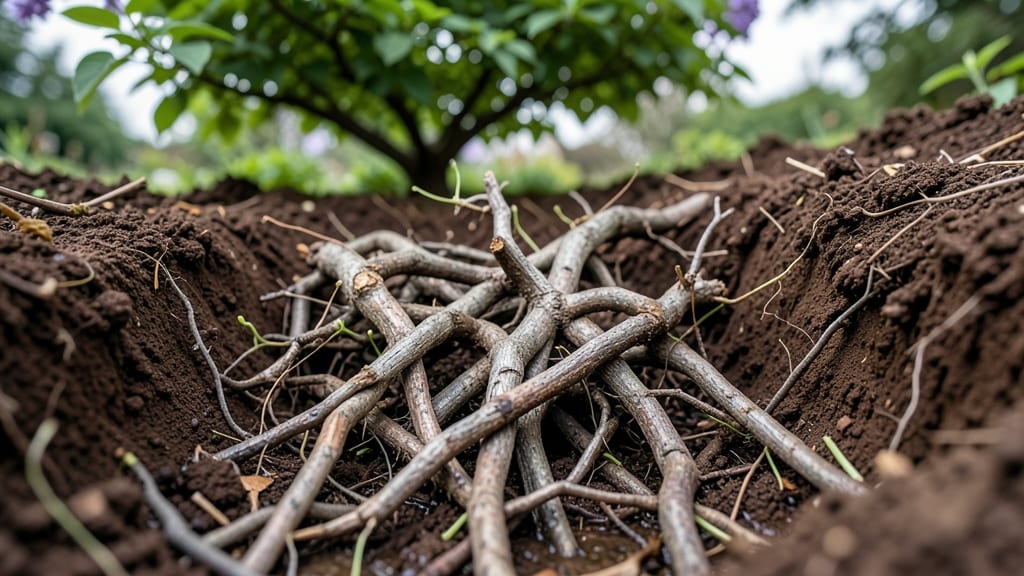
Your lilac tree might look fine above ground, but beneath the soil, old roots can become root-bound, limiting nutrient uptake and slowing growth. Early spring root pruning is the secret weapon to wake up your tree’s root system and trigger a surge of new, vigorous roots that absorb nutrients more efficiently.
Start this process in late March or early April, when the ground is workable but before new shoots emerge. Use a sharp spade to carefully cut 10-20% of the oldest, thickest roots at a 45-degree angle, about 6-12 inches from the trunk. This controlled stress forces the tree to redirect energy downward, creating a denser, more resilient root network. For lilac trees in containers, gently loosen the root ball and trim any circling roots before repotting.
This technique is especially valuable for mature lilacs that have outgrown their space or show signs of decline, like sparse blooms or yellowing leaves. Even young trees benefit from this early intervention, setting them up for stronger growth and more abundant flowers in just one season. 💪
Cold Stratification for Seedlings

Struggling to coax those stubborn lilac seeds into sprouting? Cold stratification tricks them into thinking winter has passed—just like nature intended. This simple process mimics the natural freeze-thaw cycle seeds experience underground, breaking their dormancy and jumpstarting germination.
Start by mixing lilac seeds with a damp paper towel in a sealed plastic bag, then refrigerate for 6-12 weeks. The cold period signals the seed to wake up, while the moisture keeps it hydrated. After stratification, plant in well-draining soil and keep it consistently moist—you’ll see sprouts in 2-4 weeks, far faster than unstratified seeds. This method is especially valuable for gardeners who prefer growing lilacs from seed over cuttings.
Perfect for those who love experimenting with propagation or want to grow rare lilac varieties from seed. Say goodbye to waiting years for blooms! 🌱
Layering Method for Stem Propagation
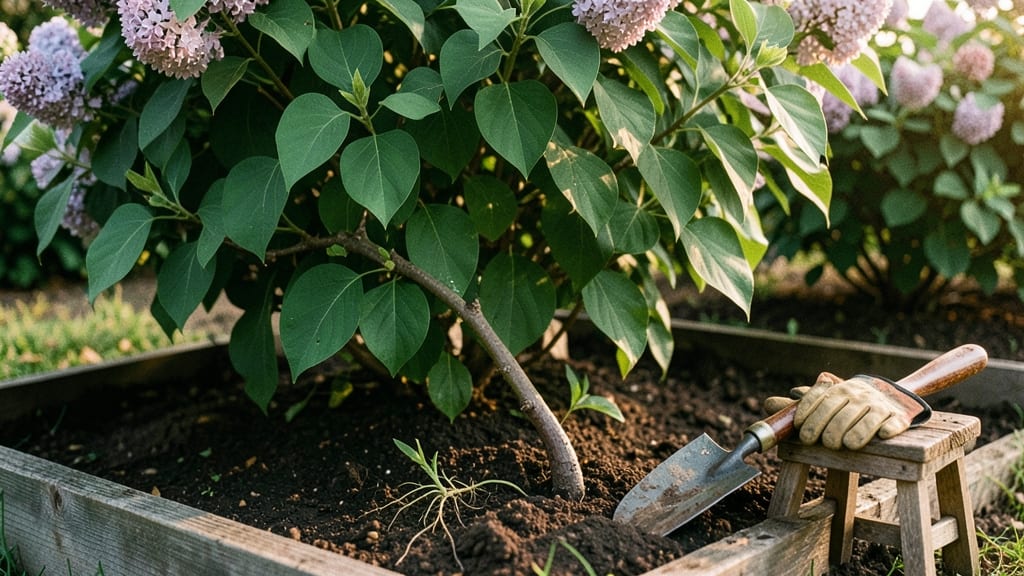
Skip the stress of transplanting bare-root cuttings and grow new lilac plants right from your existing tree using the layering method. This simple technique lets you create identical plants without ever taking a cutting—just bend and bury a stem while it’s still attached to the mother plant.
Start in early summer when your lilac’s growth is vigorous. Select a healthy, flexible stem and make a small slit about halfway down. Bend it to the ground, bury the slit section in moist soil, and secure it with a U-shaped wire or rock. Keep the soil consistently moist (but not soggy) for 4-6 weeks while roots develop. Once roots form, sever the connection to the parent plant and transplant your new lilac.
This method is ideal for busy gardeners who want low-maintenance propagation and avoids the shock of transplanting delicate cuttings. You’ll end up with a genetically identical plant that’s already established. 🌱
Biochar Soil Amendment Blend
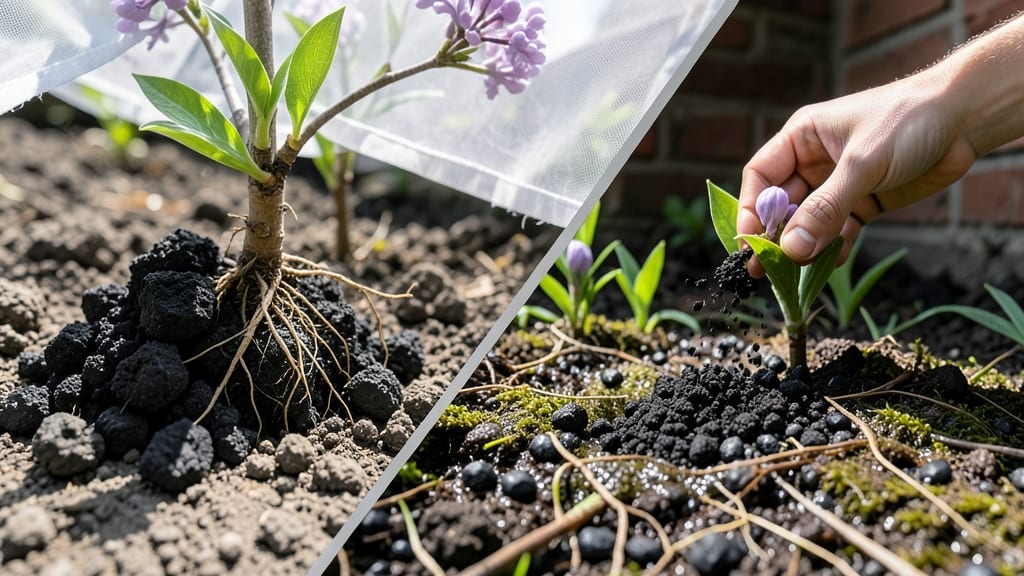
Urban gardeners with compacted soil or limited space can transform their lilac tree’s growth with a simple but powerful soil amendment: biochar. This charcoal-like substance, created from organic waste, acts like a sponge for nutrients and water while supercharging beneficial microbes—giving your lilac the support it needs to thrive in less-than-ideal conditions.
Mix biochar granules into the soil around your lilac’s root zone (about 6-12 inches deep) in early spring or fall. The porous structure holds three times its weight in water, reducing runoff and drought stress, while its alkaline nature balances acidic soils common in urban areas. For best results, pair it with compost to create a microbial hotspot that breaks down organic matter faster, feeding your lilac’s roots year-round.
This low-cost, eco-friendly solution is perfect for city gardeners or anyone struggling with poor soil quality. With biochar, your lilac’s sprouts will grow stronger, faster, and with fewer resources wasted. 🌿
Dormant Season Pruning with Wound Sealant
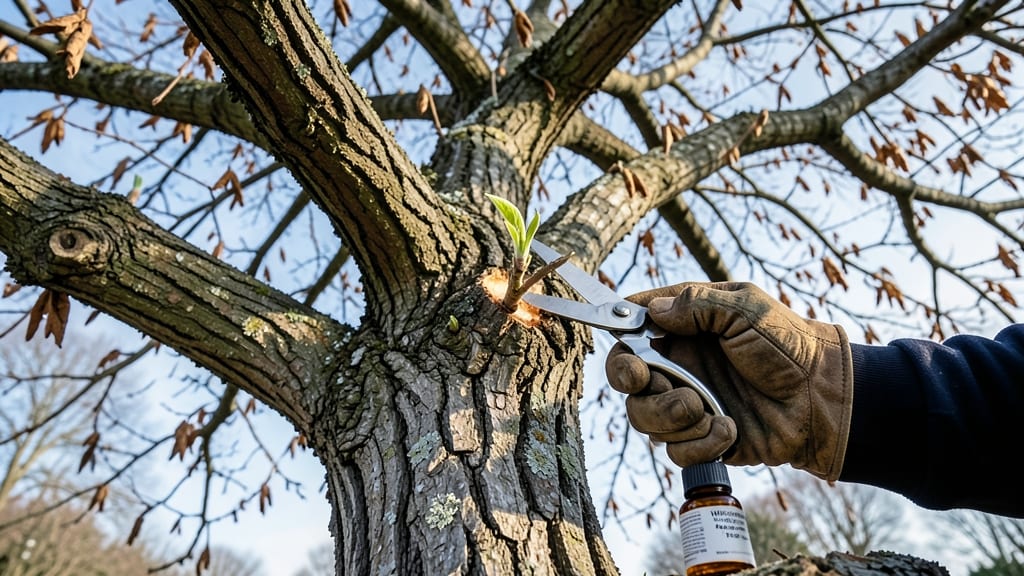
Older lilac trees often struggle to bounce back after years of neglect—but dormant season pruning with wound sealant is your secret weapon for rejuvenation. While many gardeners fear pruning mature lilacs, this technique actually protects the tree from disease while jumpstarting fresh growth for next year's blooms.
Timing is critical: prune in late winter or early spring before new buds swell. Use sharp pruners to make clean cuts just above outward-facing buds, then immediately apply a tree wound sealant to prevent pathogens from entering the fresh cuts. This method is especially effective for overgrown lilacs that need structural renewal without losing their signature fragrance. Focus on removing dead, crossing, or weak branches first—these are the biggest obstacles to healthy regrowth.
Gardeners with mature lilacs will appreciate how this approach maintains bloom potential while improving air circulation. The sealant creates a protective barrier that keeps pests and diseases out, so you can focus on enjoying those iconic purple blooms without constant maintenance battles. 🌟
Mycorrhizal Fungi Soil Inoculant
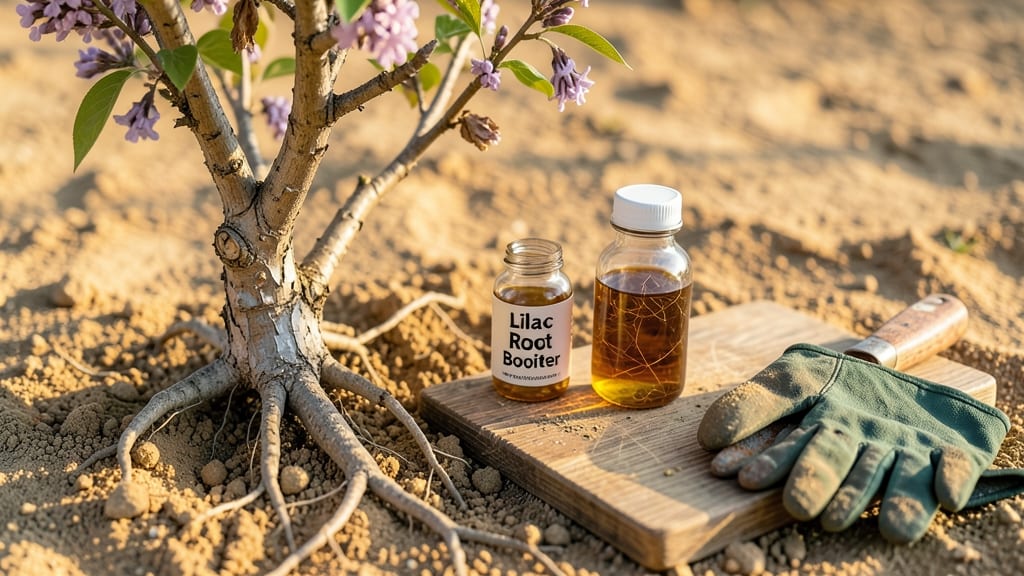
Struggling to keep your lilac tree thriving in sandy soils or during drought conditions? A mycorrhizal fungi soil inoculant could be the game-changer you need. This natural solution forms a beneficial partnership with your lilac’s roots, helping them access nutrients and water more efficiently—even when conditions are tough.
Simply mix the powdered or granular inoculant into the soil around your lilac’s root zone during planting or early spring. The fungi colonize the roots, creating tiny extensions that boost nutrient absorption by up to 80% while improving drought resistance. It’s especially valuable for gardeners in arid climates or areas with poor, fast-draining soils.
This low-maintenance solution requires no additional care once applied—just water as usual. Perfect for organic gardeners or those looking to reduce water usage without sacrificing blooms. 🌱
Summer Watering with Deep Soaker Hoses
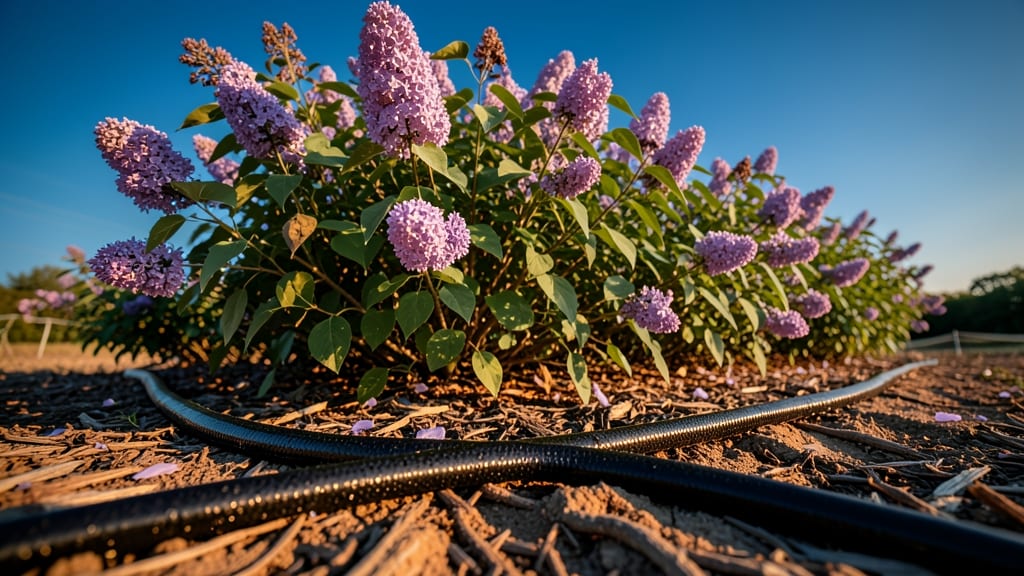
When summer heat turns your lilac blooms into wilting disappointment, deep soaker hoses become your secret weapon. Unlike overhead sprinklers that waste water on leaves and encourage fungal diseases, these hoses deliver moisture directly to the root zone, where it matters most.
Set up your soaker hose along the drip line of your lilac tree—about 12-18 inches from the trunk—and let it run for 2-3 hours every other day during peak bloom season. The slow, deep watering encourages roots to grow downward, creating a resilient system that stores moisture and nutrients. This method also reduces stress on your lilac, resulting in larger, more vibrant flowers and fewer dropped buds.
Urban gardeners and those with water restrictions will love this technique—it cuts water usage by up to 50% while keeping your lilac thriving. 🌱
Fertilizer Spiking with Micronutrients
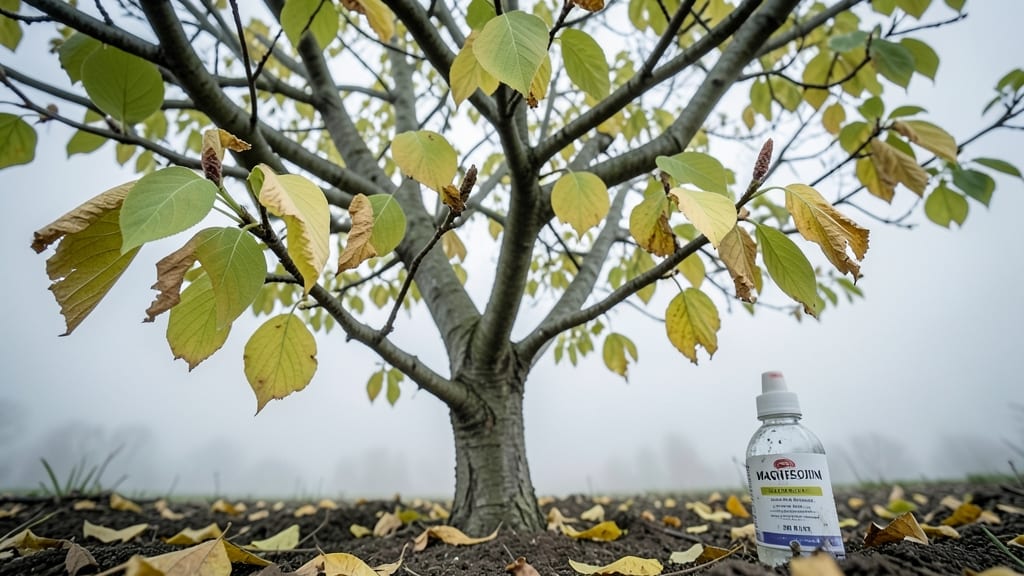
Notice those yellowing leaves or stunted growth on your lilac tree? Chances are, it’s not just lack of nitrogen—it might be missing magnesium or zinc, two micronutrients that standard fertilizers often skip. These hidden deficiencies can weaken your tree’s ability to produce vibrant blooms and strong new sprouts.
To fix this, try "spiking" your fertilizer routine with targeted micronutrient blends. Look for products containing Epsom salt (magnesium sulfate) or zinc sulfate, and apply them in early spring or after major pruning. For best results, mix them into the soil around the root zone or use a foliar spray during dry periods. Lilacs in urban or clay-heavy soils benefit most from this approach, as these environments often lack micronutrients.
This method is perfect for gardeners who’ve tried everything else but still see lackluster growth. A little extra attention to these often-overlooked nutrients can mean the difference between a mediocre lilac bush and one bursting with fragrant blooms. 🌻
Winter Mulching with Straw Bales
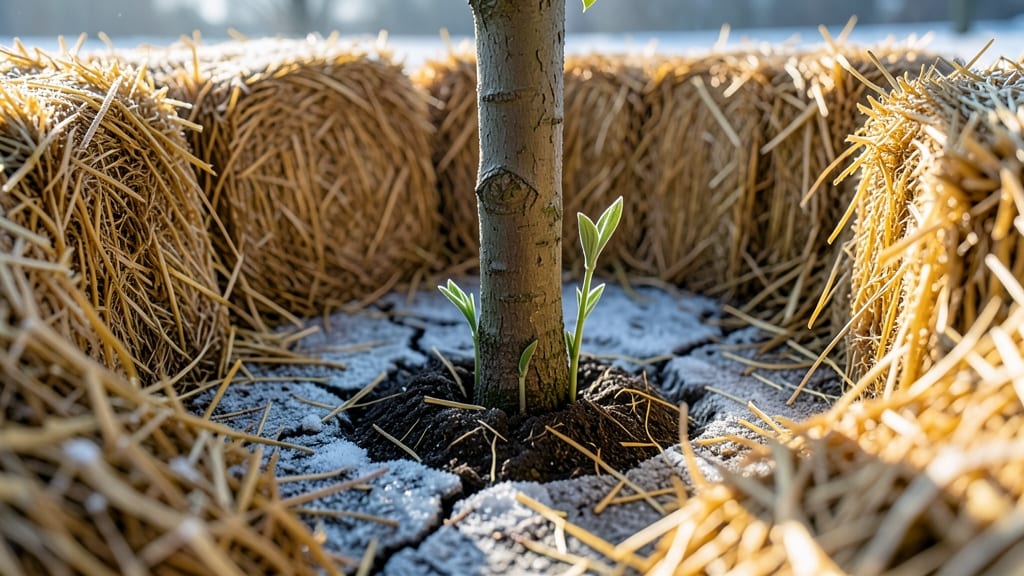
When temperate winters bring freezing ground and sudden thaw cycles, your lilac tree sprouts need a cozy blanket to survive. Straw bales aren’t just for animal bedding—they’re a game-changer for insulating roots against extreme temperature swings, which can stifle new growth or even kill tender shoots before they emerge.
Start by placing 2-3 straw bales around the base of your lilac, creating a 3-4 inch thick barrier between the trunk and frozen soil. Unlike wood chips, straw breaks down slowly, releasing organic matter that feeds the soil as it decomposes. For extra protection, top the bales with a light layer of mulch to retain moisture and deter pests. This method works best in late fall, before the ground freezes solid, and can be left in place until spring.
Gardeners in Zone 4-6 with harsh winters will see the biggest benefits—your lilac’s roots stay consistently insulated, reducing stress and setting the stage for healthier sprouts next season. 💚
Growth Regulator Spray for Bushier Growth

Struggling with a lilac bush that looks sparse despite your best efforts? A growth regulator spray can transform your tree into a lush, fragrant masterpiece—without sacrificing those coveted blooms. This targeted solution encourages lateral branching, filling out the canopy while maintaining flower production, making it perfect for gardeners who want a fuller look without over-pruning.
Apply the spray in early spring (just before buds swell) and again after flowering to stimulate dense foliage. Look for products containing paclobutrazol or daminozide, which are safe for lilacs when used as directed. Avoid spraying during hot, dry periods to prevent stress on the plant. The result? A bush that blooms abundantly and stays thick year-round.
This method is especially valuable for urban gardeners with limited space or those restoring older lilacs that have lost their shape. Just a few applications can make your lilac the envy of the neighborhood! 💚