
Pruning
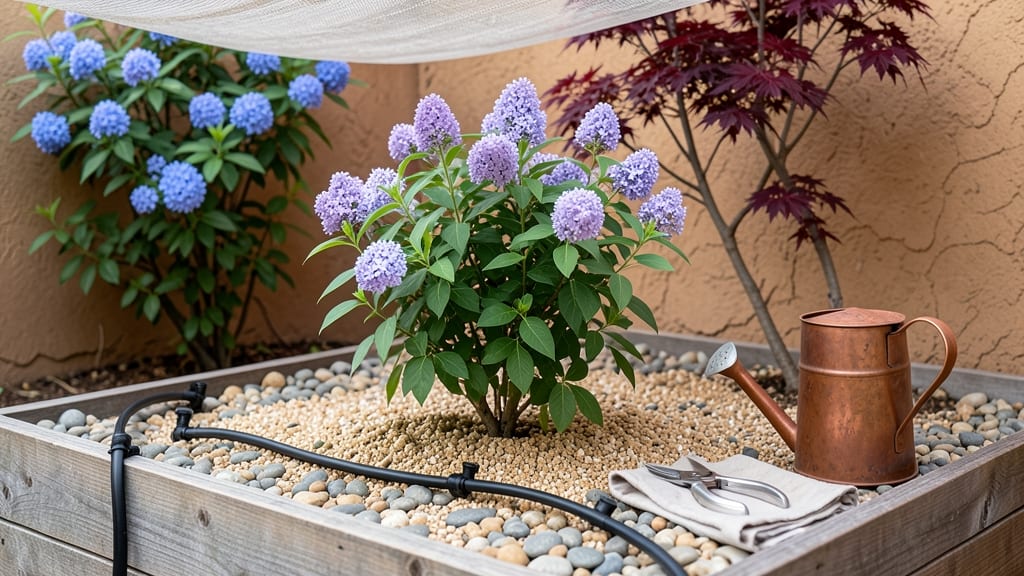
Growing lilac trees in Arizona thrives best with cold-hardy varieties like 'Dwarf Korean' or 'Miss Kim,' which adapt well to USDA Zones 5-9 despite minimal winter chill. Plant in well-draining soil, provide afternoon shade, and water deeply but infrequently to match the desert climate.
Lilac trees in Arizona need varieties that handle both the intense sun and occasional cold snaps, which is why compact types like 'Miss Kim' and 'Dwarf Korean' are top choices. 🌵 These shrubs are bred to withstand lower chill hours, making them perfect for Phoenix or Tucson gardens where winters rarely drop below freezing.
The key to their success lies in mimicking their natural Mediterranean habitat—think well-draining soil and protection from midday heat, which can scorch leaves. I've found that mulching with 3-4 inches of organic matter helps retain moisture while keeping roots cool during summer's peak temperatures.
Once established, these lilacs become surprisingly drought-tolerant, but they still need 1-2 inches of water per week during Arizona's growing season. Pruning after flowering ensures healthy growth for next year's blooms, and I recommend using sharp shears to avoid damaging the woody stems.
The fragrance from these varieties is often more intense than traditional lilacs, making them a standout feature in any desert landscape.
💡 In This Article
- Cold-Hardy Lilac Varieties for Arizona’s Climate
- Planting and Maintenance Tips for Desert Lilacs
Cold-hardy lilac varieties for Arizona’s climate
Arizona's climate presents a unique challenge for lilac trees: scorching summers paired with rare but possible cold snaps. The varieties that thrive here—like 'Miss Kim' and 'Dwarf Korean'—have evolved to handle these extremes through genetic adaptations.
'Miss Kim,' for example, originates from Korea and requires only 200-400 chill hours (temperatures below 45°F) to bloom, making it ideal for Phoenix's 100-200 chill hours annually. Its compact growth (3-5 feet tall) also helps it conserve moisture during dry spells.
The secret to their success lies in their leaf structure and root systems. These varieties develop smaller, thicker leaves that reduce water loss through transpiration—a critical adaptation in Arizona's 100°F+ summers.
Their deep root systems (up to 3-4 feet deep) tap into groundwater, while surface roots spread wide to capture occasional rainfall.
The fragrance intensity of these lilacs is also remarkable; 'Miss Kim' produces 2-3 times more essential oils in its blooms than traditional varieties, creating that signature sweet, floral aroma even in dry conditions.
What makes these varieties stand out is their ability to enter dormancy during heatwaves—a survival mechanism called "summer dormancy." When temperatures exceed 95°F for extended periods, the plant temporarily stops growth, conserving energy until cooler nights return.
This adaptation explains why they often bloom more prolifically in Arizona than in colder climates where they might struggle with winter dieback.
For gardeners in Tucson or Yuma, consider 'Dwarf Korean'—a variety that handles even hotter microclimates with its silvery-blue foliage that reflects sunlight. The trade-off? These varieties typically produce 10-20% fewer blooms than traditional lilacs, but their reliability in extreme conditions makes them worth the compromise.
The key difference is in their flowering triggers: while most lilacs need cold winters to set buds, these varieties respond to temperature fluctuations rather than absolute cold.
Color variations also play a role in heat tolerance. The lighter purple blooms of 'Miss Kim' absorb less heat than darker varieties, while the double blooms of 'Dwarf Korean' have more surface area for photosynthesis during cooler months.
This genetic diversity allows gardeners to select based on both climate needs and aesthetic preferences—whether you want the intense fragrance of 'Miss Kim' or the compact form of 'Dwarf Korean'.
One common misconception is that all lilacs need full sun. In Arizona, morning sun with afternoon shade is ideal—this prevents leaf scorch while still providing enough light for photosynthesis.
The shade can come from nearby structures, other plants, or even strategic mulching with gravel or decomposed granite, which reflects sunlight away from the base.
For those in higher elevations like Flagstaff, traditional lilacs might work, but they'll need additional winter protection like burlap wraps during sudden cold snaps below 20°F.
The real advantage of these cold-hardy varieties is their ability to recover quickly from temperature swings—a trait that's been selectively bred into them over decades. 🌿