
Trees
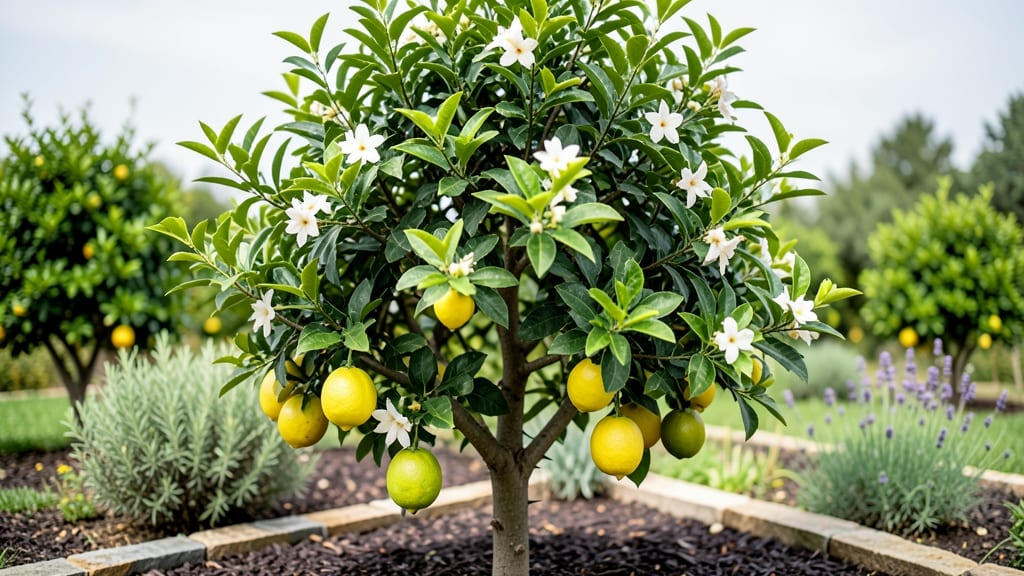
That spiky citrus tree in your yard might be a citrus tree with thorns, and its leaves hold the key to unlocking its identity. 🌿 I’ve spent years studying these trees, and the shape, texture, and arrangement of the leaves—paired with those sharp thorns—can tell you exactly what species you’re dealing with, whether it’s a bitter orange or a hardy trifoliate orange.
The real game-changer? Leaf shape and thorn placement. Most thorny citrus have oval or elliptical leaves with serrated edges, and those thorns grow in clusters along the stems.
For example, Citrus aurantium (bitter orange) has glossy, oval leaves and long, sharp thorns, while Poncirus trifoliata (trifoliate orange) has three leaflets and shorter, stouter thorns. Comparing these traits to a reference chart makes the difference between guessing and knowing.
Once you’ve matched the leaves to the species, the next step is confirming with fruit—or lack thereof. Thorny citrus like the trifoliate orange often produce small, inedible fruit, while others might surprise you with lemons or oranges.
If you’re still unsure, snap a photo and consult a local nursery or extension service—they’ll help you nail down the exact variety.
This skill comes in handy for pruning, pest control, and even propagation. Thorny citrus are tougher than they look, thriving in containers or as hedges, and knowing their species helps you care for them exactly right. Let’s get those leaves under the microscope—you’ll be an expert in no time.
Root Causes of Thorny Citrus Trees
Understanding why your citrus tree develops thorns—and how to identify it—starts with recognizing the genetic, environmental, and stress-related triggers behind this trait. While thorns aren’t always a red flag, they often signal deeper issues or natural adaptations. Here’s why it happens:
Some citrus varieties are hardwired to produce thorns as part of their natural defense system.
Thorns evolved to: - Deter herbivores (like deer or rabbits) from nibbling on tender leaves and fruit. - Reduce water loss by creating a microclimate around the plant. - Compete for sunlight in dense groves by outgrowing neighboring plants.
Key thorny citrus species to know:
- **Trifoliate orange (Poncirus trifoliata) – The queen of thorns, often used as a rootstock for grafted citrus trees (like lemons or oranges). Its small, serrated leaves and sharp thorns are unmistakable.
- Citrange (Citrus × tangerina) – A hybrid of trifoliate orange and tangerine, inheriting thorny traits.
- Some sour orange (Citrus × aurantium) varieties – Can develop thorns, especially under stress.
💡 Pro Tip: If your tree is grafted (common in commercial citrus), the rootstock’s genetics might be the culprit. Check the base of the trunk—thorns there confirm the rootstock’s influence.
Thorns often flare up when citrus trees face harsh conditions, acting like a biological alarm system. Common stressors include:
| Stress Factor | How It Triggers Thorns | Actionable Fix |
|---|---|---|
| Drought | Lack of water forces the tree to prioritize survival over fruit/leaf production. Thorns grow to reduce water loss via transpiration. | Deep water 1–2x per week (1–2 inches per week). Mulch with wood chips to retain moisture. |
| Poor Soil Nutrition | Deficiencies in nitrogen (N), phosphorus (P), or zinc weaken growth, prompting thorny defense mechanisms. | Test soil and amend with balanced fertilizer (10-10-10) or citrus-specific micronutrients. |
| Extreme Heat/Cold | Sudden temperature swings (below 28°F or above 100°F) shock the tree, triggering thorn production. | Use shade cloth in summer, windbreaks in winter, or row covers for young trees. |
| Overcrowding | Competition for sunlight and nutrients stresses the tree, leading to thorny lateral growth. | Prune competing plants and space trees 6–10 feet apart. |
🔥 Warning: If thorns appear suddenly on an otherwise healthy tree, rule out pests (like aphids or scale) first—these can stress the tree indirectly.
When citrus trees are under biological attack, thorns can become a last-ditch defense.
Look for these signs: - Sap-sucking insects (scale, mealybugs, aphids) weaken the tree by stealing nutrients, prompting thorny regrowth. - Fungal infections (like citrus canker or root rot) disrupt normal growth patterns, leading to abnormal thorn formation. - Viral diseases (e.g., tristeza virus) can alter a tree’s DNA expression, causing thorns where they wouldn’t normally appear.
How to respond:
- Inspect leaves for sticky residue (honeydew), black sooty mold, or chewed edges.
- Prune affected branches and dispose of them in a sealed bag.
- Apply neem oil or horticultural oil for pests; copper fungicide for diseases.
🎯 Prevention Tip: Keep trees healthy with regular pruning and proper spacing—this reduces pest entry points.
Improper pruning can stimulate thorn production by:
- Over-pruning (removing >30% of foliage at once), which shocks the tree into defensive mode.
- Cutting too close to the trunk, exposing wood to pests/diseases that trigger thorny regrowth.
- Pruning at the wrong time (late winter/early spring is ideal; avoid summer).
Corrective steps:
- Prune in late winter (before new growth starts).
- Use clean, sharp shears and sterilize with rubbing alcohol.
- Avoid "heading back" (cutting into old wood)—this encourages thorny suckers.
Citrus trees hate soggy roots or drought cycles, both of which can lead to thorny outbursts:
- Overwatering → Root rot → Stress → Thorns.
- Inconsistent watering → Alternating drought and flood → Weak growth → Thorny regrowth.
Fix it with the "finger test":
- Stick your finger 2–3 inches into soil. If dry, water deeply. If muddy, hold off.
- Use drip irrigation for steady moisture (avoid overhead sprinklers).
Key Takeaway: Thorns on citrus trees aren’t always bad—but they’re never random. By pinpointing the cause (genetics, stress, pests, or poor care), you can either embrace the variety (if it’s a trifoliate orange) or correct the issue** to restore a thorn-free tree. 🌿
Fixing Thorny Citrus Trees Naturally
If your citrus tree is sporting unwanted thorns, don’t panic—there’s a way to manage and prevent them without harsh chemicals. Below, we’ll break down practical solutions based on the most common causes, from pruning techniques to long-term care.
Each fix is designed to be easy, effective, and garden-friendly while keeping your tree healthy and productive.
Cause: Thorns often spike when branches compete for sunlight or nutrients due to poor spacing or overgrowth.
Fix:
- 🔪 Trim in Late Winter/Early Spring
- Wait until dormancy (just before buds swell) to prune. This minimizes stress and disease risk.
- Use clean, sharp pruners (sterilized with rubbing alcohol) to avoid tearing bark.
- 🌿 Target Thorn-Heavy Branches
- Look for suckers (shoots growing from the base) or overly dense clusters. Remove 1/3 of the thorny growth to improve airflow.
- Focus on outward-facing branches—these cast fewer shadows on the tree.
- 📏 Shape for Balance
- Aim for an open-center shape (like an umbrella) to reduce congestion. This lets sunlight penetrate deeper.
💡 Pro Tip: If thorns persist, thin out vertical growth—these are often the thorniest. Step back occasionally to check for symmetry!
Cause: Thorns can develop as a stress response when roots struggle in dry or hot conditions.
Fix:
- 💧 Deep Watering Routine
- Water slowly and deeply (1–2 inches per week) at the drip line (where branches extend). Avoid shallow sprinkling, which encourages surface roots.
- Morning watering (before 10 AM) reduces evaporation.
- 🌿 Mulch Like a Pro
- Spread 3–4 inches of organic mulch (wood chips, straw, or pine bark) around the base—but keep it 6 inches away from the trunk to prevent rot.
- Mulch retains moisture and regulates soil temperature.
- 🌱 Shade Cloth for Young Trees
- If your tree is in a scorching location, drape 30–50% shade cloth during peak summer (12–4 PM). Remove it in cooler months.
✨ Bonus: Add compost or aged manure to the soil annually to boost moisture retention and nutrient uptake.
Cause: Thorns may form as a defense mechanism against pests (like aphids or scale) or fungal infections (e.g., citrus canker).
Fix:
- 🔍 Identify the Culprit
- Pests? Look for sticky residue (honeydew), curled leaves, or tiny bugs on stems.
- Disease? Check for oozing sores, yellow spots, or leaf drop.
- 🚿 Natural Pest Control
- Neem oil spray (1 tsp neem oil + 1 quart water + drop of dish soap) weekly for 2–3 weeks. Reapply after rain.
- Introduce beneficial insects: Ladybugs and lacewings devour aphids—buy them online or attract them with dill or fennel nearby.
- 🌿 Fungal Treatment
- For citrus canker, prune infected branches 1 inch below the lesion and sterilize tools between cuts.
- Apply copper fungicide (follow label rates) every 4–6 weeks during wet seasons.
💡 Pro Tip: Prevent future outbreaks by sanitizing pruners and removing fallen leaves (where pests hide).
Cause: Some citrus varieties (like trifoliate orange or hybrids) are naturally thorny. Hormonal imbalances can also trigger thorn production.
Fix:
- 🍊 Choose Thorn-Less Varieties
- If starting fresh, opt for ‘Meyer lemon’ (thorn-free), ‘Improved Meyer lemon’, or ‘Calamondin’ (minimal thorns).
- 🌿 Apply Growth Regulators (Optional)
- Paclobutrazol (B-9 or Bonzi) is a plant growth regulator that can reduce thorniness by 30–50%. Follow label instructions carefully—overuse stunts growth.
- 🌱 Balance Fertilizer
- Too much nitrogen (fast-release fertilizers) can stress the tree, leading to thorns. Use a slow-release, balanced formula (e.g., 6-6-6 or 8-3-9).
- Avoid over-fertilizing—follow the “little and often” rule (every 2–3 months in growing season).
🎯 Long-Term Strategy: If thorns are genetic, prune aggressively in youth to train a thorn-free framework.
Once you’ve addressed the root cause, prevent recurrence with these simple habits:
| Task | When to Do It | How to Do It |
|---|---|---|
| Prune for airflow | Late winter/early spring | Remove 10–20% of oldest/thorniest branches |
| Mulch deeply | Spring & fall | 3–4” organic mulch, keep away from trunk |
| Water deeply | Weekly (adjust for rain) | 1–2” at soil level, not leaves |
| Fertilize lightly | Early spring & mid-summer | Slow-release, balanced formula |
| Inspect monthly | Year-round | Check for pests/disease early |
Final Thought: Thorny citrus trees aren’t a death sentence—they’re just communicating stress. With targeted pruning, proper care, and a little patience, you can minimize thorns and enjoy a smoother, fruit-bearing tree in no time. 🍋✨
(Need a visual guide? Check out our [citrus pruning diagram] for step-by-step branch selection!)
Frequently asked questions
What's the difference between trifoliate orange leaves and other citrus leaves?
The trifoliate orange (Poncirus trifoliata) has three distinct leaflets per stem, while most citrus trees have single, compound leaves. The leaflets are small, oval, and serrated with a glossy finish. Compare this to bitter orange (Citrus aurantium), which has larger, single oval leaves with smooth edges and prominent thorns.
Can I grow a thorny citrus tree in a container?
Yes! Thorny citrus like trifoliate orange thrive in containers. Use a 15–20 gallon pot with drainage holes and well-draining soil. Place it in full sun and water when the top 1–2 inches of soil dry out. Just be cautious—those thorns make harvesting fruit a little trickier!
Why does my citrus tree have thorns but no fruit?
Some thorny citrus, like trifoliate orange, are primarily grown for rootstock or ornamental value—they produce tiny, inedible fruit. Others may lack fruit due to stress (drought, poor soil) or immaturity. Check the tree’s age (3–5 years for fruiting) and ensure it gets 6+ hours of sunlight daily and balanced fertilizer.
Are thorny citrus trees cold-hardy?
Trifoliate orange is the hardiest citrus, tolerating temps down to 10–15°F with protection. Other thorny varieties like citrange can handle 15–20°F. For extreme cold (below 20°F), wrap the tree in burlap or use a row cover. Mulch heavily around the base for added protection.
How do I distinguish a thorny citrus tree from a rose bush?
Citrus thorns are straight and sharp, growing in clusters along stems, while rose thorns are curved and scattered. Citrus leaves are smooth-edged and glossy, while rose leaves are often serrated and matte. Finally, citrus trees have a distinct citrus scent when leaves are crushed—roses don’t!