
Pruning
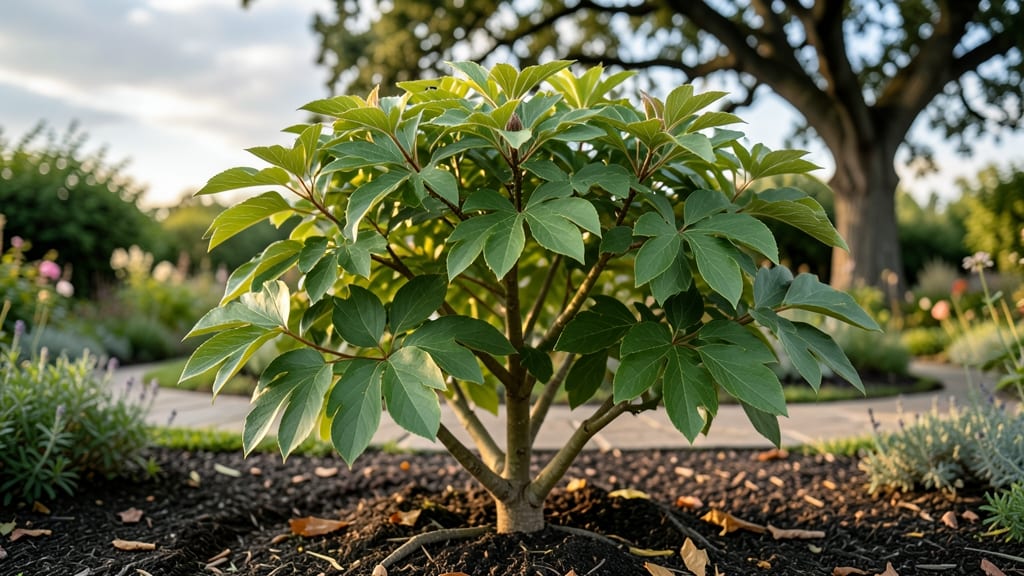
The tree peony leaf shape 🌸 is your secret key to spotting varieties before a single bloom appears—and once you know these traits, your garden will never look the same.
Did you know tree peonies reveal their hidden secrets through their leaf shapes? Mastering these foliage traits can help you identify varieties with confidence and transform your garden into a stunning, diverse display.
Think of those glossy, deep-green leaves as nature’s ID badge. Some varieties boast long, lance-shaped leaves, while others sport broader, almost heart-like shapes. These differences aren’t just for show—they directly influence how your peony grows, blooms, and even thrives in your USDA Zone 6a climate.
In this guide, I’ll break down the most common leaf shapes, show you how to compare them across popular varieties, and share the easiest tricks to avoid misidentifying your plants. By the end, you’ll spot a tree peony’s true identity just by glancing at its foliage.
Key tree peony leaf shapes and their botanical significance
Tree peonies (Paeonia suffruticosa) are celebrated not just for their show-stopping blooms, but also for their distinctive foliage. The leaf shape serves as a natural identifier for different cultivars, revealing clues about the plant's growth habits and botanical classification.
Understanding these traits can help you select the perfect varieties for your landscape and even predict their mature size and bloom patterns.
Leaf morphology in tree peonies varies significantly, with three primary shapes dominating most cultivars: lanceolate, ovate, and elliptical. These shapes aren't just aesthetic—they correlate with genetic lineage, hardiness zones, and even flowering intensity.
For example, lanceolate leaves often appear on taller-growing varieties, while ovate leaves tend to belong to more compact shrubs.
The lanceolate leaf shape is one of the most common in tree peonies, particularly among heritage varieties like 'Duchesse de Nemours'. These leaves are longer than they are wide, often tapering to a sharp point at the tip.
This shape is closely linked to upright growth habits, making these peonies ideal for vertical garden designs or as solitary specimens in mixed borders.
Ovate leaves, with their egg-like shape and rounded tips, are typical of more compact cultivars like 'Lavender Lad'. These varieties often produce denser foliage, creating a lush, bushy appearance that's perfect for foundation plantings or container gardening. The wider leaf base also helps these plants retain moisture better during dry spells.
If you're drawn to softer, more delicate foliage, look for elliptical-leaved varieties such as 'Shirley Temple'. These leaves are uniform in width with smooth edges, creating a balanced, elegant look.
Elliptical leaves often indicate moderate growth rates, making them easier to manage in smaller gardens while still providing striking visual impact.
A more uncommon but striking leaf shape is the pinnatifid type, found in varieties like 'High Noon'. These leaves feature deep lobes and jagged edges, giving them a feathery appearance.
This shape correlates with spreading growth habits, making these peonies excellent for ground cover or mass plantings.
Beyond shape, pay attention to leaflet arrangement—most tree peonies have 3-7 leaflets per leaf, but the number and spacing can vary. For instance, varieties with fewer leaflets (like 3-5) often have larger individual leaflets, while those with more leaflets (5-7) tend to have smaller, more numerous ones.
This trait affects light penetration and airflow, which in turn impacts bloom health.
Leaf shape also influences pruning strategies. Lanceolate varieties benefit from selective pruning to maintain their upright form, while <
How to compare tree peony leaf shapes across popular varieties
Tree peonies are stunning for their flowers, but their leaf shapes tell even more about each variety. By comparing foliage, you can identify plants with confidence and curate a diverse garden. Let’s explore how 10+ popular cultivars differ in leaf morphology, from size to texture.
Leaf shape varies by cultivar, affecting everything from growth habit to winter hardiness. For example, 'Duchesse de Nemours' has broad, deep green leaves, while 'Coral Charm' features narrower, lighter foliage. These traits also influence pruning needs and foliage longevity.
| Variety | Leaf Shape | Leaf Size (in) | Color | Growth Habit |
|---|---|---|---|---|
| 'Duchesse de Nemours' | Ovate, slightly lobed | 3–5" long | Deep green | Upright, bushy |
| 'Coral Charm' | Elliptical, smooth edges | 2–4" long | Medium green | Compact, rounded |
| 'Lavender Lad' | Lanceolate, pointed | 2.5–4" long | Silver-green | Semi-upright, airy |
| 'Sarah Bernhardt' | Ovate, glossy | 4–6" long | Dark green | Bushy, spreading |
| 'Shinko-no-Mai' | Ovate, slightly wavy | 3–5" long | Medium green | Upright, dense |
| 'Alice Harding' | Elliptical, serrated | 2.5–4" long | Light green | Compact, mounding |
| 'Koi-no-Mai' | Ovate, slightly hairy | 3–5" long | Dark green | Upright, vigorous |
| 'High Noon' | Lanceolate, smooth | 2–3.5" long | Medium green | Semi-upright, airy |
| 'Bowl of Beauty' | Ovate, glossy | 4–6" long | Dark green | Bushy, spreading |
| 'Festiva Maxima' | Ovate, variegated | 3–5" long | Green with white edges | Upright, bushy |
Notice how leaf size and edge texture vary even among similar-shaped leaves. For instance, 'Sarah Bernhardt' and 'Bowl of Beauty' both have ovate leaves, but 'Sarah Bernhardt'’s are glossier and slightly larger. This difference affects light reflection and foliage longevity.
When selecting tree peonies, leaf shape can also hint at bloom timing. Varieties with narrower leaves, like 'Lavender Lad', often bloom earlier in the season. Meanwhile, broader leaves (e.g., 'Duchesse de Nemours') may bloom slightly later but stay lush longer.
For visual identification, compare leaves side by side in morning sunlight when colors are most vibrant. Take notes on leaf arrangement—some varieties like 'Coral Charm' have denser foliage, while others like 'High Noon' are more airy. This helps distinguish lookalikes in your garden.
By mastering these leaf shape traits, you’ll spot varieties instantly and design with confidence. Pair broad-leaved types like 'Duchesse de Nemours' with narrow-leaved ones like 'Lavender Lad' for textural contrast in your landscape. Happy identifying!