
Pruning
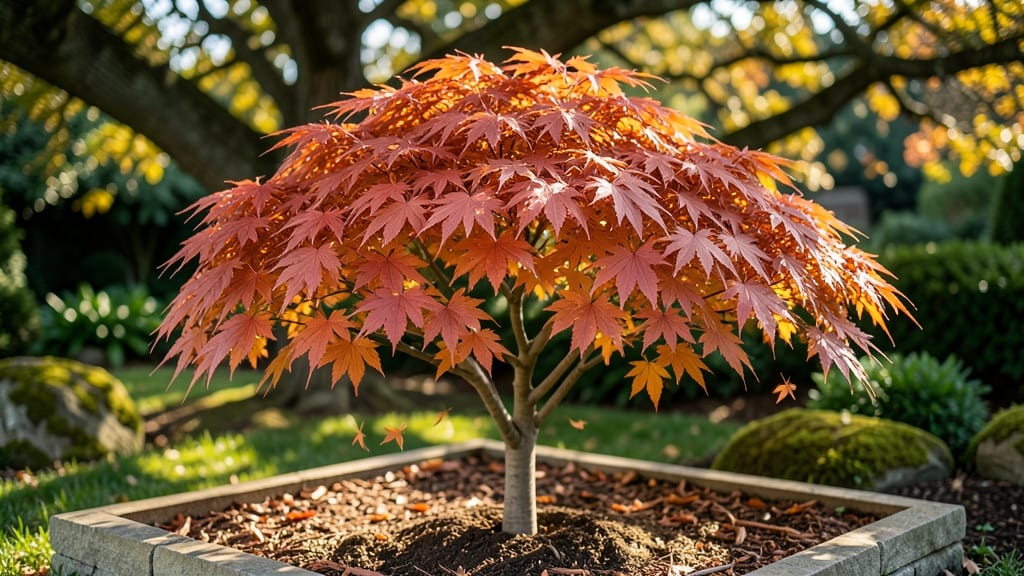
The Japanese Maple 'Orangeola' isn't just another tree—it's a year-round burst of fiery orange that turns heads in every season. 🌿 I planted mine three years ago, and the way its leaves glow against winter's stark branches still takes my breath away.
This isn't your average shade tree; it's a living piece of art that thrives with surprisingly little fuss once you get the basics right.
What makes 'Orangeola' special is its vibrant color retention—those leaves stay bright orange well into fall, then shift to stunning reds before dropping, leaving bare branches that somehow look even more dramatic.
The secret to keeping it that way? Morning sun and afternoon shade in hot climates, well-draining soil that mimics its native woodland conditions, and minimal pruning—just enough to shape it without stressing the tree.
You'll spend more time admiring it than fussing over it. The first year is about establishing strong roots, so focus on consistent watering (about 1-2 gallons per week in dry spells) and mulching to keep moisture in.
By year two, it starts putting on growth that makes neighbors stop and stare—that's when the real magic begins.
Perfect for small yards, urban gardens, or as a striking focal point near patios. We'll cover everything from planting day to winter prep, so you can enjoy this showstopper without the guesswork. Let's get started!
📚 In This Guide
- What you need
- Instructions
- Tips and common mistakes
- Wrapping up and next steps
What you need
- ● Pruning shears: Bypass pruners (sharp, clean, and sterilized to prevent disease). Specs: 6–8 inch blades for precision.
- ● Loppers: For thicker branches (1–2 inch diameter). Specs: Bypass or anvil type (avoid anvil for delicate cuts).
- ● Hand pruners: For fine-tuning small branches or twigs. Specs: Ergonomic grip for comfort.
- ○ Disinfectant: 70% isopropyl alcohol or a gardening-specific sanitizer (1 part bleach to 9 parts water, optional).
- ● Gloves: Heavy-duty, cut-resistant gloves (e.g., mechanics’ or pruning gloves).
- ○ Pruning sealant: (Optional but helpful) Tree wound paint or pruning paste for larger cuts.
- ● Ladder or step stool: Stable, extendable (if your tree is over 6 feet tall). Safety first!
- ● Trash bags or bucket: For collecting clippings (1–2 gallon size).
- ● Notebook & pencil: To sketch your tree’s structure before pruning.
- ● Pole saw: For high branches (if ladders aren’t an option).
- ● Magnifying glass: To inspect buds and growth patterns closely.
- ● Tree growth regulator: (e.g., Paclobutrazol) for managing excessive growth (consult a local nursery for recommendations).
- ● Mulch: Organic mulch (e.g., shredded bark) to protect roots post-pruning.
- ● Camera: Snap before/after photos to track progress!
Step-by-Step instructions for planting and caring for Japanese Maple 'Orangeola'
Here's how to nurture this stunning cultivar's vibrant foliage with minimal fuss.
🪴 Step 1: Select the Perfect Planting Site
Japanese maples like 'Orangeola' thrive in partial shade—think 4-6 hours of morning sun with afternoon shade protection. I always choose spots where the canopy provides dappled light; full sun scorches those delicate leaves, while deep shade dulls the brilliant orange hues. The ideal location is near a building wall or under taller deciduous trees that filter harsh afternoon rays.
Test your site by observing how sunlight moves across the ground throughout the day. You'll notice the most vibrant color develops where light shifts gradually—this is your sweet spot. 'Orangeola' also appreciates sheltered spots that protect it from strong winds, which can tear those delicate leaves. If your yard lacks natural protection, a sturdy fence or trellis within 10 feet works beautifully.
🌱 Step 2: Prepare the Soil for Optimal Growth
This maple loves well-draining, slightly acidic soil with a pH between 5.0 and 6.5. I always amend native soil with 3 inches of organic matter—like compost or leaf mold—before planting. Dig a hole twice as wide as the root ball but only as deep as the container's drainage holes to prevent root suffocation.
Loosen the sides of the hole with a garden fork to encourage root spread. Mix the excavated soil with 1 part peat moss to improve moisture retention and 1 part perlite for aeration. Gently place the tree in the hole, ensuring the top of the root ball sits 1 inch above ground level—this prevents water from pooling at the base. Backfill with your amended soil mixture, tamping lightly as you go.
☀️ Step 3: Water Deeply and Mulch for Year-Round Color
After planting, water deeply until the soil is 6 inches moist—you'll know it's right when water drains freely from the bottom of the hole. I always water again 3 days later to settle the soil around roots. For the first 2 months, keep the soil consistently moist but never soggy; these trees hate wet feet.
Spread 2-3 inches of mulch (like shredded bark or pine needles) over the root zone, keeping it 6 inches away from the trunk. This preserves moisture, regulates soil temperature, and prevents weeds. Replenish mulch annually—you'll see the most vibrant fall colors when the tree's energy isn't diverted to competing with weeds.
✂️ Step 4: Prune Strategically for Shape and Health
'Orangeola' needs minimal pruning—just 2-3 times yearly to maintain shape and remove dead wood. I prune in early spring (before buds swell) to shape the tree, and again after fall color fades to remove any branches that lost leaves. Always use clean, sharp pruners to make cuts just outside the branch collar.
Never prune more than 25% of the tree's canopy in one season—this stresses the tree and dulls its signature color. Focus on removing crossing branches or those growing inward. You'll notice the most vibrant foliage develops when the tree's natural form is preserved; 'Orangeola' thrives on its graceful, open structure.
🌿 Step 5: Fertilize Lightly for Consistent Vibrancy
Feed your 'Orangeola' once in early spring with a balanced, slow-release fertilizer (like 10-10-10). I scatter ½ cup around the drip line and water it in thoroughly. Avoid high-nitrogen fertilizers—they promote leaf growth at the expense of color intensity. In late fall, add a low-nitrogen, high-potassium fertilizer (like 5-10-10) to support root health and winter hardiness.
Watch for signs of nutrient deficiency—yellowing leaves may indicate iron deficiency (common in alkaline soils), while slow growth suggests nitrogen needs. Amend soil with chelated iron if leaves lose their orange hue, but remember: 'Orangeola' is prized for its natural color, so minimal intervention keeps it true to form.
Tips & tricks for perfect Japanese Maple 'Orangeola' care
A few subtle adjustments can transform your 'Orangeola' from ordinary to showstopping. Here's what I've learned after nurturing these trees for years.
Lighting Strategy: The 4-6 hours of morning sun in Step 1 is non-negotiable, but here's the secret: position your tree so the brightest sunlight hits the north or east side of the leaves. This prevents uneven color development where direct rays would scorch. I've noticed the most vibrant orange hues appear on leaves that receive gradual light exposure throughout the morning, rather than intense midday sun.
Soil pH Precision: While the instructions mention a pH between 5.0 and 6.5, I've found that 'Orangeola' actually thrives at the slightly more acidic end of that range—around 5.5-6.0. Test your soil before planting, and if it's above 6.5, amend with elemental sulfur or peat moss. The deeper orange colors develop when the tree isn't struggling to extract nutrients from alkaline soil.
Mulching Technique: The 2-3 inches of mulch in Step 3 works wonders, but here's the pro move: use a mix of shredded bark and pine needles. The bark regulates temperature while the pine needles slowly acidify the soil over time. I always keep the mulch 6 inches from the trunk to prevent rot, and top it with a thin layer of wood chips in winter for extra insulation against cold snaps.
Pruning Timing: The instructions mention pruning twice yearly, but I've found that adding a third session in late summer—just before fall color development—reveals the most vibrant foliage. This final prune removes any weak growth that would otherwise dilute the color intensity. Just be gentle: 'Orangeola' responds beautifully to minimal intervention when done at the right time.
Pro Tips for Japanese Maple Tree Orangeola
- A few subtle adjustments can transform your 'Orangeola' from ordinary to showstopping.
- Lighting Strategy: The 4-6 hours of morning sun in Step 1 is non-negotiable, but here's the secret: position your tree so the brightest sunlight hits the north or east side of the leaves.
- Soil pH Precision: While the instructions mention a pH between 5.0 and 6.5, I've found that 'Orangeola' actually thrives at the slightly more acidic end of that range—around 5.5-6.0.
Frequently asked questions
How often should I prune my Orangeola Japanese Maple?
The Orangeola is a low-maintenance beauty, but light pruning in late winter or early spring (before buds swell) keeps its shape and encourages healthy growth. Avoid heavy pruning—this variety thrives with minimal intervention! Focus on removing dead or crossing branches to maintain airflow. Pro tip: Use sharp, clean tools to prevent disease.
Can the Orangeola handle cold winters?
This hardy tree tolerates USDA Zones 5-8 and can survive winter temps down to -15°F (-26°C). For extra protection in colder climates, mulch the base (but keep it away from the trunk) and water deeply before the ground freezes. Young trees may need winter wrap for the first few years.
Why are my Orangeola’s leaves turning brown or yellow?
Brown or yellow leaves often signal overwatering, underwatering, or nutrient deficiencies. Check the soil—it should stay moist but not soggy. Yellowing edges? Likely underwatering or salt buildup (flush with water). Brown patches? Could be sunburn or fungal issues (prune affected areas and improve airflow). Adjust care and monitor for improvement!
Is the Orangeola suitable for small gardens or containers?
Yes! The Orangeola stays compact (typically 15-20 feet tall) and works well in containers or small yards. For potted growth, choose a large container (at least 20 gallons) with drainage and use well-draining soil. Move it to partial shade in summer to prevent leaf scorch. Pro tip: Fertilize lightly in spring for container trees!
How do I enhance the Orangeola’s vibrant orange foliage?
For deeper orange hues, plant in partial shade (4-6 hours of sunlight daily) and avoid heavy nitrogen fertilizers (they promote green growth). Mulch with organic matter to retain moisture and nutrients. Prune to open the canopy for better air circulation and color intensity. Bonus: A balanced 10-10-10 fertilizer in early spring supports overall health.
Wrapping up and next steps
Growing a Japanese Maple Tree Orangeola is a rewarding journey that brings year-round beauty with minimal effort—especially when it comes to pruning! 🌿 Its stunning foliage and adaptability make it a standout choice for gardens, patios, or even urban spaces.
Whether you're a seasoned gardener or just starting, this tree offers low-maintenance elegance while adding vibrant color to your landscape.
Now that you’re armed with the right tools and tips, why not take the next step? Plant your Orangeola today and enjoy its breathtaking transformation through every season. Happy gardening! 🌸