
Container Gardens
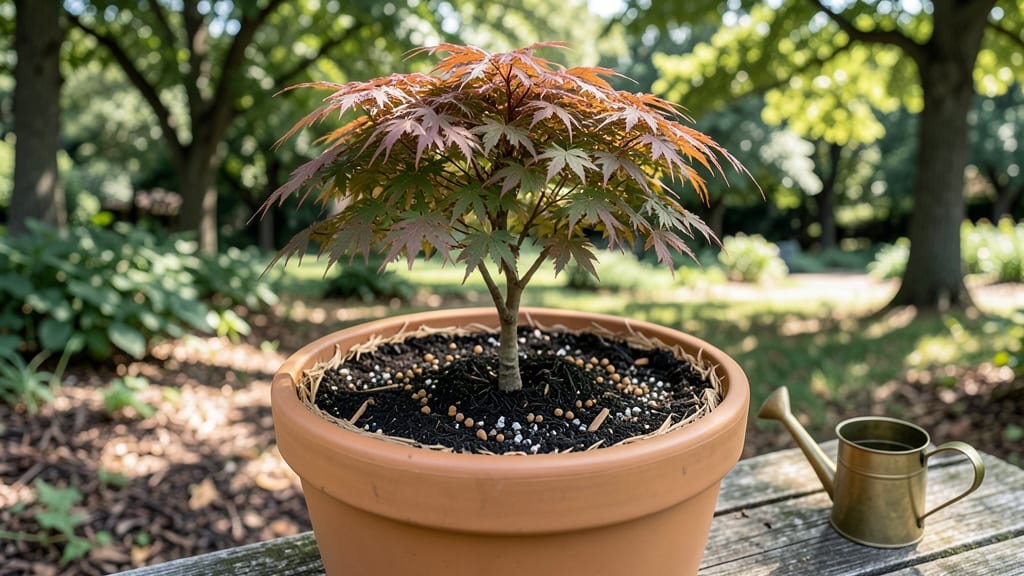
Caring for Japanese maple trees in pots turns your patio into a living art piece—if you nail the basics. 🌿 I've watched these delicate trees go from sad, yellowing specimens to showstopping centerpieces by adjusting just a few key things: soil, water, and pruning timing.
The secret isn't complicated, but it does require patience and attention to detail.
Start with well-draining soil mixed with organic matter to mimic their forest floor roots. Water deeply when the top inch feels dry, but never let them sit in soggy soil—root rot is the silent killer of potted Japanese maples.
A 10-12 inch pot gives roots room to breathe, and a location with morning sun and afternoon shade keeps their leaves vibrant without scorching.
Pruning isn't just about shaping—it's about encouraging strong growth. Cut back leggy branches in early spring and thin crowded stems to improve airflow.
With proper care, your tree will reward you with lush foliage year-round, even in containers, and those iconic red or green leaves will stay stunning through all four seasons.
Overwintering requires extra care: move pots to protected spots, wrap roots in burlap, and reduce watering. Most problems—yellow leaves, slow growth—come from either overwatering or not enough light. Master these basics, and your Japanese maple will thrive for decades in pots, becoming the envy of every patio gardener.
📚 In This Guide
- What you need
- Instructions
- Tips and common mistakes
- Wrapping up and next steps
What you need
- ● Container: 1 high-quality ceramic, fiberglass, or resin pot (12–24" diameter, depending on tree size). Drainage holes are a MUST!
- ○ Optional: A cache pot (outer decorative pot with a removable inner liner) for aesthetics.
- ● Soil: 1 bag well-draining, acidic potting mix (pH 5.0–6.5). Mix with 20–30% perlite or orchid bark for aeration.
- ○ Optional: Slow-release acid-loving plant fertilizer (like Osmocote) for a nutrient boost.
- ● Tools: 1 pair sterilized pruning shears (sharp, bypass-style for clean cuts).
- ● 1 small trowel or hand fork for repotting.
- ● 1 watering can with a rose attachment (for gentle, deep watering).
- ○ Optional: A humidity tray or fine mist sprayer for humidity-loving varieties.
- ● Sunlight: A spot with 4–6 hours of filtered sunlight daily (avoid harsh afternoon sun).
- ● Climate: Protect from winter winds (use burlap wraps or move indoors if in Zone 6 or colder).
- ○ Optional: 1 mulch layer (pine bark or straw) to retain moisture in summer.
- ● 1 pH testing kit to monitor soil acidity.
- ● 1 tree support stake (for young or top-heavy varieties like Acer palmatum ‘Bloodgood’).
Step-by-step guide to Japanese maple tree care in pots
Here's how I keep my Japanese maples thriving in containers—no guesswork, just proven techniques.
🪴 Step 1: Select the Right Container and Soil Mix
Choose a pot that's 12-18 inches deep with drainage holes—Japanese maples hate soggy roots. I use a mix of 50% premium potting soil, 30% organic matter (like compost or coconut coir), and 20% perlite or pumice for aeration. This blend drains well but holds moisture without drying out too fast.
Tap the pot gently after filling to settle the mix, but don't compact it. The soil should feel like a damp sponge—not hard when squeezed, but not dripping either. Add a 2-inch layer of gravel at the bottom for extra drainage if your pot lacks depth.
☀️ Step 2: Position for Light and Shelter
Japanese maples need 4-6 hours of morning sun and afternoon shade—too much direct afternoon sun scalds their delicate leaves. I place mine on a patio where they get gentle morning light and afternoon dappled shade from nearby trees. In hot climates, move them to a spot with filtered light only.
Protect your tree from harsh winds, which dry out the soil and stress the roots. A sheltered corner or a spot near a wall works perfectly. You'll notice healthier foliage when leaves stay vibrant green instead of crisping at the edges.
💧 Step 3: Water Deeply and Consistently
Water when the top 1-2 inches of soil feel dry—stick your finger in to check. Japanese maples in pots dry out faster than in-ground trees, so I water deeply until it drains from the bottom. Avoid letting the soil stay soggy; overwatering causes root rot, which kills these trees quickly.
Use lukewarm water (never cold) to avoid shocking the roots. In summer, I water every 2-3 days, while winter care drops to once a week. Yellowing leaves often signal overwatering—if that happens, let the soil dry out more between waterings.
✂️ Step 4: Prune for Shape and Health
Prune in late winter or early spring before new growth starts. Remove any dead, crossing, or weak branches first—these compete with healthy growth. Use clean, sharp pruners to make cuts just above a leaf node or bud. I avoid heavy pruning; just shaping and thinning keeps the tree's natural beauty.
Watch for signs of stress like leaf drop or stunted growth—these often mean it's time for a lighter pruning session. Never prune in fall; new growth won't harden off before winter, and frost damage follows. A well-pruned tree develops a strong structure and stunning foliage.
🌿 Step 5: Fertilize and Mulch Seasonally
Feed your Japanese maple with a balanced, slow-release fertilizer in early spring and again in midsummer. I use a 10-10-10 formula at half strength to avoid burning the roots. Stop fertilizing by late summer—new growth won't have time to harden off before winter.
Add a 1-inch layer of mulch around the base (but not touching the trunk) to retain moisture and regulate soil temperature. I use bark mulch because it breaks down slowly and improves soil structure over time. Refresh the mulch in spring—old mulch compacts and loses effectiveness.
Tips & tricks for perfect Japanese maple tree care in pots
Here's what nobody tells you about keeping your potted Japanese maple looking stunning year after year.
Container Depth Matters: The 12-18 inch depth recommendation isn't arbitrary—it gives roots enough space to establish without becoming root-bound too quickly. If you're working with shallower pots, consider using a cache pot (a larger container inside your decorative pot) to give roots more room to grow downward first. This is especially helpful for younger trees that need to develop strong root systems before they can handle the stress of being in a decorative pot.
Soil Texture Secret: That 50-30-20 soil mix ratio is designed to balance drainage and moisture retention perfectly. The perlite or pumice creates tiny air pockets that prevent compaction, which is crucial for preventing root suffocation. I've found that adding a handful of worm castings to the organic matter component gives an extra nutrient boost without altering the soil structure. This is particularly helpful if your tree isn't getting regular fertilizer.
Light Positioning Hack: When placing your Japanese maple, think about the sun's arc across the sky. The 4-6 hours of morning sun should come from the east or southeast, while afternoon shade should come from the west. In urban areas with concrete surfaces, the reflected heat can be just as damaging as direct sun—position your tree where it gets morning light but afternoon shade from nearby structures or other plants. This simple adjustment can prevent leaf scorch that ruins the tree's appearance.
Pruning Timing Insight: The late winter to early spring pruning window is critical because it allows new growth to harden off before summer heat arrives. I've noticed that trees pruned in this window show significantly less stress response during the growing season. If you must prune outside this window, do it on a cloudy day to reduce stress on the tree. Never prune when new growth is already underway—this creates vulnerable points that can attract pests and diseases.
Pro Tips for Japanese Maple Tree Care In Pots
- Here's what nobody tells you about keeping your potted Japanese maple looking stunning year after year.
- Container Depth Matters: The 12-18 inch depth recommendation isn't arbitrary—it gives roots enough space to establish without becoming root-bound too quickly.
- Soil Texture Secret: That 50-30-20 soil mix ratio is designed to balance drainage and moisture retention perfectly.
Frequently asked questions
Got questions about keeping your Japanese maple happy in pots?
You’re not alone—these stunning trees need extra TLC in containers. Here are the answers to the most common concerns, so you can grow with confidence!
How often should I repot my Japanese maple?
Repot every 2–3 years or when roots circle the pot’s bottom. Spring is ideal—avoid summer heat stress. Choose a container just 1–2 inches larger in diameter and ensure it has drainage holes. Pro tip: If roots are tightly bound, gently tease them apart to encourage outward growth.
Can Japanese maples survive winter in pots?
Yes, but they need protection! Move pots to a shaded, sheltered spot (like a garage or under eaves) before temps drop below 20°F. Wrap the pot in bubble wrap or use a frost blanket. Water sparingly—overwatering in cold soil leads to root rot. Bonus: Mulch the soil surface with straw for extra insulation.
Why are my Japanese maple leaves turning yellow?
Yellow leaves usually signal overwatering, underwatering, or nutrient deficiency. Check soil moisture—it should stay evenly damp but not soggy. If leaves yellow with brown edges, it’s likely underwatering or salt buildup (flush with water). Yellow with no pattern? Test soil pH (aim for 5.5–6.5) and fertilize lightly with acid-loving plant food in spring.
What’s the best soil mix for potted Japanese maples?
Use a well-draining, acidic mix like:
- 50% high-quality potting soil
- 30% organic matter (compost or peat moss)
- 20% perlite or coarse sand (for aeration)
How do I prune a Japanese maple in a pot?
Prune in late winter or early spring to shape and encourage bushiness. Use sterilized shears to:
- Remove dead or crossing branches at the base.
- Trim overly long branches by cutting just above a leaf node.
- Avoid heavy pruning—maples bleed sap, stressing the tree.
Wrapping up and next steps
Caring for a Japanese maple in a pot is a rewarding way to bring delicate beauty to small spaces—just remember, these trees thrive on attention to detail! With the right soil, pruning, and seasonal adjustments, your tree will flourish for years, becoming a stunning focal point. 🌿✨
Now that you’re armed with the secrets to pot care, pruning, and troubleshooting, take the next step: pick your favorite variety (like 'Bloodgood' or 'Emperor I') and start your container garden journey today!