
Pests
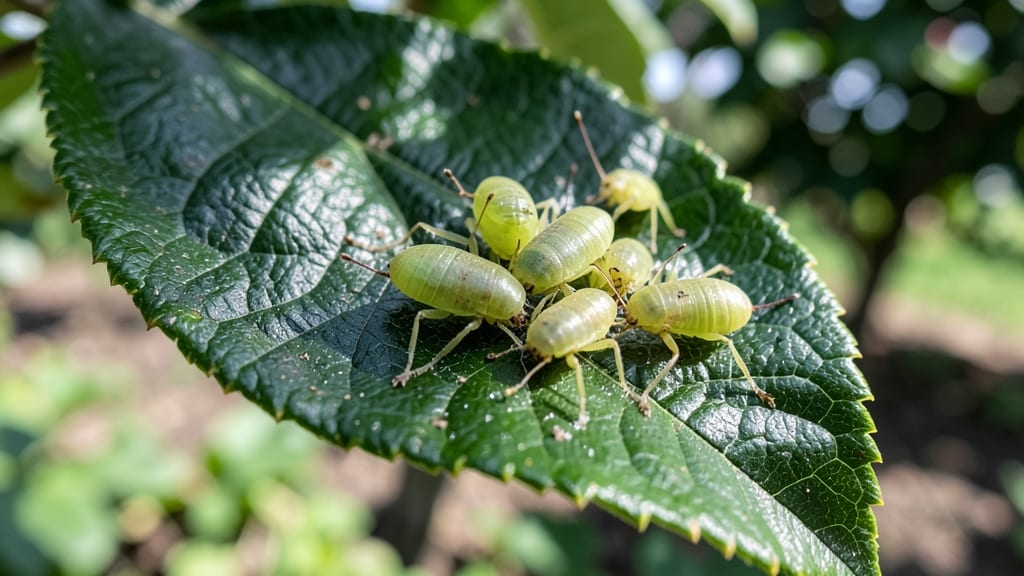
Seeing tiny insects on apple tree leaves can turn a sunny afternoon into a panic—until you know exactly what you're dealing with. 🌿 These little pests aren't just annoying; they can stunt your tree's growth and ruin next year's harvest if left unchecked.
The good news? Most common culprits like aphids, mites, or leafrollers respond quickly to simple, organic fixes once you identify them.
Here's the thing—aphids cluster on new growth, mites create fine webbing on undersides, and leafrollers roll up leaves like tiny burritos. I've caught all three early by checking leaves every 7-10 days during growing season, and a strong spray of water usually knocks them off before they cause real damage.
For stubborn infestations, neem oil or insecticidal soap becomes your secret weapon.
You'll notice healthier leaves within 3-5 days of treatment, and your tree will reward you with stronger branches and better fruit set next season. The key is acting fast—once those pests move into the bark or fruit, organic methods become less effective.
Prevention is easier than cleanup, so let's talk about keeping them away for good.
This works for backyard orchards, container-grown apple trees, and even dwarf varieties. Whether you're dealing with a single branch or the whole tree, the same principles apply. Let's get those leaves looking clean again!
Root Causes of Leaf Invaders
When you spot insects munching away on your apple tree leaves, it’s rarely a random event—these critters are there for a reason. Understanding why they’re visiting helps you tackle the problem at its source.
Below, we break down the most common triggers, from environmental factors to plant health signals that attract unwanted guests.
Apple trees under stress—whether from poor nutrition, drought, or disease—become a buffet for insects. A healthy tree’s natural defenses (like tougher leaf surfaces and bitter-tasting sap) deter pests, but when a tree is struggling, it sends out distress signals that insects can’t resist.
- Nutrient Deficiencies: Trees lacking nitrogen, phosphorus, or potassium produce softer, more palatable leaves. Example: Aphids thrive on nitrogen-rich new growth.
- Water Stress: Overwatering or drought weakens leaves, making them easier targets. Example: Spider mites love dry, dusty foliage.
- Fungal or Bacterial Infections: Damaged leaves (from scab or mildew) release sugars that attract sap-sucking insects like scale or psyllids.
💡 Pro Tip: Conduct a soil test to check pH and nutrient levels. Amend soil with compost or organic fertilizers to boost tree resilience before pests arrive.
Apple trees planted too closely together create the perfect storm for insect outbreaks. Poor air circulation and high humidity trap moisture, while dense canopies shield pests from natural predators (like birds or ladybugs).
- Shaded Leaves: Low light reduces photosynthesis, weakening leaves. Example: Apple maggots prefer stressed, shaded fruit.
- Moisture Retention: Crowded trees hold dew longer, creating ideal conditions for soft-bodied insects like aphids or leafhoppers.
- Reduced Predator Access: Birds and parasitic wasps can’t patrol thick foliage, letting pest populations explode.
🌡️ Actionable Fix: Prune trees to open the canopy (aim for 20–30% sunlight penetration) and space new plantings at least 15–20 feet apart.
Insect lifecycles are tightly linked to temperature and weather. Sudden changes—like early springs or late frosts—can disrupt natural predator-prey balances, leading to pest surges.
| Season | Common Culprits | Why It Happens |
|---|---|---|
| Spring | Apple Maggots, Coddling Moths | Warm soil speeds up egg-laying; early blooms provide food. |
| Summer | Aphids, Spider Mites | Drought stress weakens leaves; high temps reduce predator activity. |
| Fall | Scale Insects, Woolly Aphids | Cool nights and dry air encourage egg-laying on dormant buds. |
✨ Early Warning: Monitor your tree’s phenology (growth stages) and use local pest calendars to predict outbreaks before they peak.
Even well-meaning gardening practices can invite pests. For example, pruning tools, wind-blown debris, or nearby infected plants can introduce insects to your orchard.
- Contaminated Tools: Sawdust or sap from infested trees can carry eggs or larvae to healthy ones.
- Wildlife Corridors: Unmanaged hedges or weeds near your orchard host pest populations that spill over.
- Overuse of Synthetics: Chemical pesticides kill beneficial insects (like lacewings) faster than pests, creating vacuums that pests rush to fill.
🔥 Prevention Tip: Sterilize pruners with rubbing alcohol between cuts, and plant trap crops (like mustard greens) to lure pests away from apple trees.
Natural Ways to Remove Pests
Discovering insects on your apple tree leaves can feel like a nightmare, but don’t worry—there are plenty of effective, organic solutions to reclaim your tree’s health.
Below, we’ve mapped out targeted fixes based on the most common culprits, along with simple prevention tips to keep pests at bay for good. 🍏🌿
Fix: These tiny green or black pests cluster on undersides of leaves, leaving sticky residue (honeydew). Here’s how to evict them:
- 🔥 Blast Them Off Use a strong spray of water (from a hose or spray bottle) to dislodge aphids. Repeat every 3–4 days until they’re gone.
- 🍳 Soapy Water Spray Mix 1 tablespoon of mild dish soap (like Castile) with 1 quart of water. Spray leaves thoroughly, focusing on undersides. Test on a few leaves first—soap can harm plants if overused.
- 👨🍳 Introduce Beneficial Insects Ladybugs and lacewings are aphid predators. Buy them online or attract them with nectar-rich flowers (like dill or fennel).
💡 Prevention Tip: Plant garlic or chives nearby—aphids dislike their scent! Also, prune overcrowded branches to improve airflow.
Fix: These caterpillars roll leaves into tubes, damaging fruit and foliage. Act fast with these steps:
- 🥘 Handpick Larvae Inspect leaves daily (especially in spring/fall) and remove rolled leaves by hand. Drop them into soapy water to kill larvae.
- 🔪 Burlap Bands Wrap tree trunks with burlap bands in early spring. Larvae will crawl up to lay eggs—burn or soak the bands later to destroy them.
- 🌡️ Pheromone Traps Hang traps (available at garden centers) to disrupt mating. Replace every 4–6 weeks.
💡 Prevention Tip: Apply kaolin clay (a natural mineral powder) to leaves—it creates a barrier pests avoid. Reapply after rain.
Fix: These red or yellow mites spin webs and suck plant juices, causing stippled leaves. Combat them with:
- 🌧️ Water Mist Spider mites hate humidity. Lightly mist leaves daily (especially undersides) to wash them off.
- 🎯 Neem Oil Spray Mix 1 tablespoon neem oil + 1 teaspoon mild soap in 1 quart of water. Spray every 5–7 days until mites disappear.
- 🍎 Companion Planting Plant marigolds or chives nearby—their scent repels mites.
💡 Prevention Tip: Avoid over-fertilizing (especially with nitrogen)—stressed trees attract mites. Mulch to retain soil moisture.
Fix: These pests lay eggs in apples, leading to wormy fruit. Stop them with these tactics:
- 🔪 Red Band Traps Wrap tree trunks with red sticky bands in late spring. Adult flies get trapped before laying eggs.
- 🍎 Fruit Bags Cover apples with paper or mesh bags to block egg-laying. Remove bags when fruit is harvested.
- 🌡️ Organic Sprays Spray trees with spinosad (derived from soil bacteria) when flies first appear. Follow label instructions.
💡 Prevention Tip: Pick up and destroy fallen apples promptly—they’re breeding grounds for maggots!
- 🌿 Prune Regularly Remove damaged or infested branches to reduce hiding spots. Sterilize pruners with rubbing alcohol between cuts.
- 🌡️ Encourage Predators Plant native wildflowers to attract birds, bees, and predatory insects. Diversity = natural pest control!
- 📊 Monitor Seasonally Check leaves weekly in spring/fall (peak pest seasons). Early action prevents outbreaks.
Remember: Patience is key! Some fixes take 2–3 weeks to show results. Stay consistent, and your apple tree will thrive—pest-free and fruitful! 🍎✨
Frequently asked questions
What are the most common insects I'll find on apple tree leaves?
You'll likely spot aphids (tiny green/black clusters), spider mites (red/yellow with fine webbing), leafrollers (caterpillars that roll leaves), or apple maggots (white larvae in fruit). Check both leaf surfaces and fruit regularly during growing season.
How do I know if my apple tree has a serious infestation?
Look for yellowing leaves, sticky honeydew (aphid residue), visible webbing, or holes in foliage. If you see more than 10-15 pests per leaf or damage on 30%+ of leaves, it's time to act. Early detection prevents fruit damage!
Can I use vinegar spray to kill these insects?
Neat vinegar is too harsh for apple trees, but a diluted solution (1 tbsp white vinegar + 1 quart water + 1 tsp dish soap) can help for soft-bodied pests like aphids. Test on a small leaf first—overuse may burn foliage. Better options include neem oil or insecticidal soap.
Will my apple tree recover if I treat the insects late in the season?
Late-season treatment won't restore full health, but it can prevent overwintering pests and reduce next year's infestation. Focus on removing infested leaves and applying dormant oil in late fall to kill overwintering eggs. Healthy trees bounce back faster!
Are there any insects on apple leaves that are actually helpful?
Ladybugs, lacewings, and parasitic wasps prey on pests like aphids and mites. Plant nectar-rich flowers nearby to attract them. Even some beetles help—just don't confuse them with the harmful ones like Japanese beetles.