
Propagation
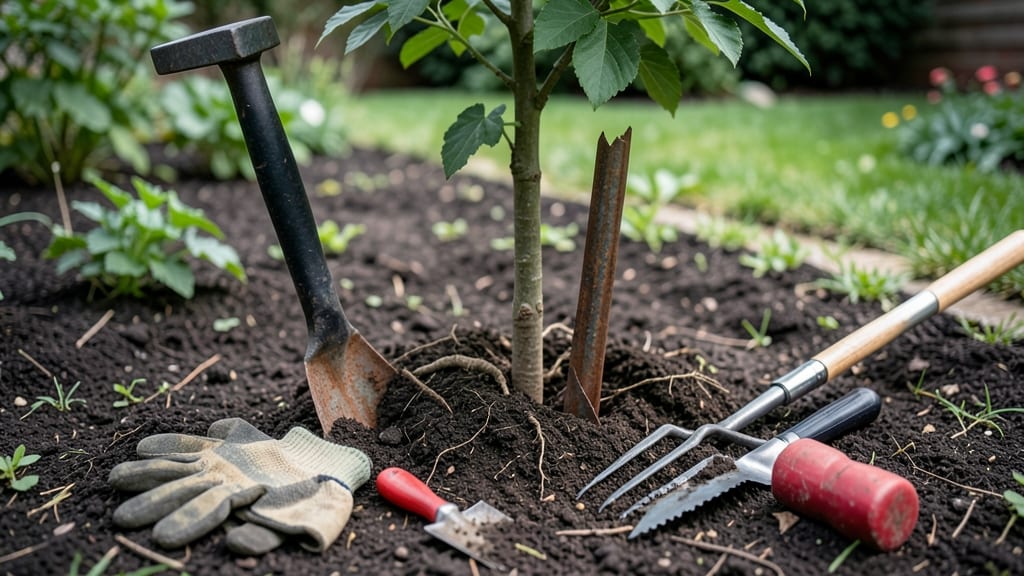
How to remove metal tree stakes from the ground without bending roots or wrecking soil is simpler than it seems—but only if you use the right approach. I’ve pulled dozens over the years without a single mishap, and the secret lies in patience, the right tools, and a methodical technique. Most people rush, yanking with brute force, only to end up with bent stakes, torn roots, or ruined soil structure. But with a sturdy pry bar, heavy-duty gloves, and a hammer, you can free even the most stubborn, rusted stakes without a struggle. Start by loosening the soil around the stake with a garden fork—don’t dig too deep or you’ll disturb nearby roots. If rust has fused the stake to the soil, spray it with penetrating oil and let it soak for 10 minutes. A few firm taps with the hammer on the pry bar’s edge will often break the grip without force. Work slowly, and you’ll avoid the frustration of snapped stakes or damaged plants. Once free, brush off dirt and check for rust—most stakes can be reused for new plantings or repurposed as garden markers. For heavily corroded stakes, cut them with bolt cutters and recycle the metal. The key is treating the soil gently: compacted areas will resist, so take your time and avoid prying upward, which can uproot young plants. This method works for any metal stake, whether galvanized or plain steel, and leaves your soil structure undisturbed. Next time you’re faced with a stubborn stake, remember: a little patience beats brute force. Your garden—and your back—will thank you.
📚 In This Guide
- What you need
- Instructions
- Tips and common mistakes
- Wrapping up and next steps
What you need
- ● Heavy-duty gloves – Protect your hands from sharp edges and rust (pick nitrile-coated for extra grip).
- ● Rust-resistant pry bar – A 12- to 18-inch bar with a flat head works best for leverage.
- ● Hammer or mallet – A 16-ounce rubber or metal hammer to avoid damaging the stake.
- ● Adjustable wrench or pliers – For twisted or bent stakes (look for 10-inch or longer reach).
- ● Shovel or digging fork – A round-point shovel or landscape fork to loosen soil around the stake.
- ● Wire brush or sandpaper (80-120 grit) – To clean rust off stakes before reuse or disposal.
- ○ Rust converter or primer – Optional but helpful if saving stakes for future use.
- ● Knee pads – For comfort if kneeling for long periods.
- ● Rope or bungee cords – To secure stakes upright while prying.
- ● WD-40 or penetrating oil – Spray around rusted stakes to ease removal.
- ● Heavy-duty trash bags – For collecting debris or old stakes.
- ● Safety glasses – Protect your eyes from flying debris or rust particles.
Step-by-Step instructions for removing metal tree stakes safely
Here's how to pull out those stubborn stakes without bending them or damaging your plants.
Gather the Right Tools for the Job
You don't need much—just a few basic tools to make this easier on yourself. Grab a sturdy pair of garden gloves to protect your hands from sharp edges, and a flat-head screwdriver or putty knife to help pry if the stake resists. A small pry bar or even a sturdy spoon from your kitchen can work in a pinch if you don't have one.
I always check for rust first—if the stake is corroded, wear gloves to avoid skin irritation. A quick spray with WD-40 or penetrating oil (if you have it) loosens stuck stakes instantly. Just apply it around the base where the stake meets the soil, let it soak in for 5-10 minutes, and you'll save yourself a lot of effort.
Loosen the Soil Around the Stake
Before pulling, use your screwdriver or pry bar to gently work the soil away from the stake's sides. Start about 2-3 inches below the ground level and wiggle the tool back and forth to create space. This breaks the suction that holds the stake in place—soil clings tighter than you'd think.
If the stake is deeply embedded, don't force it. Instead, dig a shallow trench around it with a trowel to expose more of the stake's surface. You'll see roots or compacted soil clinging to it—this is what's making removal difficult. The goal is to expose enough of the stake so you can grip it properly without bending.
Pull the Stake Straight Out
Stand directly behind the stake and grasp it firmly with both hands. Apply steady, even pressure while pulling upward and slightly outward—never twist or yank sideways. If the stake starts to bend, stop immediately and try loosening the soil again. Bending means you're fighting the stake's resistance, not working with it.
You'll feel a moment of resistance when the stake breaks free from the soil's grip. That's your signal to pull harder, but keep the motion smooth. If part of the stake breaks off underground, don't panic—just leave it. The remaining piece will rust away naturally over time and won't harm new plantings.
Clean Up and Prevent Future Issues
Once the stake is out, inspect the hole for any leftover pieces or sharp edges. Use your gloved hands or tools to remove debris, but avoid digging too deeply—you don't want to disturb nearby roots. If the hole is large enough to collapse, pack the soil back in gently with your hands or a trowel.
Here's where I save time for next season: if you're reusing the stake, wipe it clean with a wire brush to remove rust and soil. A quick spray of motor oil (yes, the kind for your car) prevents rust and makes future removals easier. Store stakes in a dry place until you need them again—rust is the real enemy of metal stakes over time.
Tips & tricks for removing metal tree stakes safely
These simple strategies will help you remove stubborn stakes without bending them or damaging your plants.
Lubrication is Key: WD-40 or penetrating oil works wonders for stuck stakes. Apply it directly to the base where the stake meets the soil and let it soak for the full 5-10 minutes mentioned in Step 1. This chemical magic reduces friction and makes removal nearly effortless. I've saved myself hours of frustration by using this trick—especially on older stakes that have been in the ground for years.
Soil Strategy Matters: When loosening soil in Step 2, focus on creating space rather than force. Start your prying 2-3 inches below ground level where the soil is most compacted. If you feel resistance, switch to a trowel to dig a shallow trench around the stake—this exposes more surface area for better leverage. Think of it like prying open a stubborn jar lid: you need to break the seal, not fight it head-on.
Grip Technique Prevents Bending: The way you grasp the stake in Step 3 makes all the difference. Wrap both hands around it with fingers pointing upward—this creates a natural fulcrum. Apply steady upward pressure while slightly rocking the stake back and forth. If you feel it start to bend, stop immediately and reassess. Remember: patience beats brute force every time when working with metal.
Cleaning Saves Future Effort: After removal, take 5 minutes to clean your stakes with a wire brush before storing. The motor oil spray mentioned in Step 4 isn't just for show—it creates a protective barrier against rust. I store my cleaned stakes in a metal bucket with a few paper towels to absorb any moisture. This simple step means I can reuse stakes for years without dealing with corroded messes.
Pro Tips for Remove Metal Tree Stakes From Ground
- These simple strategies will help you remove stubborn stakes without bending them or damaging your plants.
- Lubrication is Key: WD-40 or penetrating oil works wonders for stuck stakes.
- Soil Strategy Matters: When loosening soil in Step 2, focus on creating space rather than force.
Frequently asked questions
Got questions about removing metal tree stakes? We’ve got answers!
Here are some of the most common concerns—plus quick, practical solutions to make the job easier and safer.
Can I pull metal tree stakes out by hand, or do I need tools?
If the stakes are small, shallow, and not rusted in, you might pull them by hand—but expect stubborn resistance! For deeper or corroded stakes, tools like a pry bar or digging fork are far more effective. Always wear gloves to avoid sharp edges or rust particles.
Is it okay to remove tree stakes after planting, or should I wait?
Timing matters! Remove stakes once the tree is fully established (usually after 1–2 growing seasons) to avoid damaging roots. If you remove them too soon, the tree may rely on them for support. Check for stability—if the tree sways slightly in the wind, it’s likely ready.
What’s the best way to reuse or repurpose old metal stakes?
Clean them thoroughly with a wire brush and vinegar to remove rust, then:
- Use as garden markers (paint them for visibility).
- Repurpose as support for vines or trellises.
- Recycle them at a metal scrap facility if they’re too damaged.
What if the stake is bent or broken underground? Can I still remove it?
Broken stakes are tricky but manageable! If the top is visible:
- Use pliers to grip and twist the remaining piece.
- If it snaps off, leave the bottom fragment—it won’t harm roots.
- For deep breaks, a post puller or winch can help extract stubborn pieces.
Will removing stakes hurt my young tree?
Not if done carefully! Trees rely on stakes for short-term stability, but over-dependence can weaken trunks. To minimize risk:
- Remove stakes gradually over a few weeks.
- Avoid yanking—support the tree while loosening the stake.
- Water the tree well post-removal to reduce stress.
Wrapping up and next steps
Removing metal tree stakes doesn’t have to be a rusty, frustrating chore—with the right tools and techniques, you can extract them cleanly and safely! Whether you’re using a pry bar, digging tool, or even a winch for stubborn stakes, patience and precision are your best friends.
Plus, a little rust prevention (like WD-40 or vinegar) keeps future removals smooth as butter.
Now that you’re armed with the know-how, give it a try! Tackle one stake at a time, and soon your garden will be stake-free and ready for its next transformation. Happy digging! 🌱✨