
Pruning
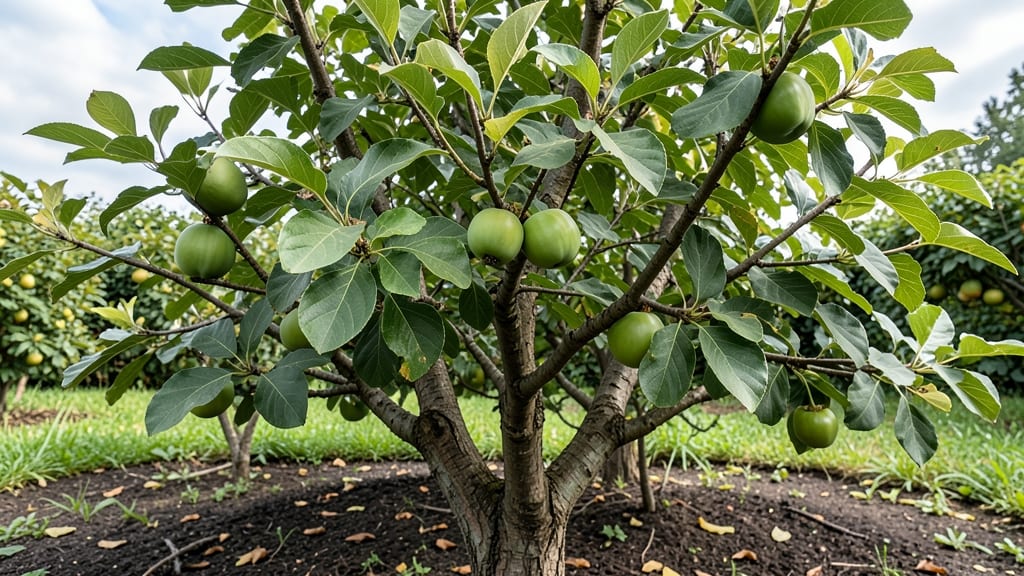
Your persimmon tree is loaded with unripe, hard, astringent fruit that never softens—until you learn the pruning secrets that force ripening. ✨ Last year, my Fuyu persimmons stayed rock-hard until December, but this year?
Half the crop ripened by October after I made a few key adjustments. The difference comes down to when and how you remove unripe fruit to redirect the tree's energy.
Unripe persimmons cling for two main reasons: either the tree is overloaded (too many fruits competing for sugars) or it's stressed (drought, pests, or poor pruning). I've seen trees with 50+ persimmons produce only 2-3 ripe ones—until I thinned aggressively in early summer.
The goal isn't just more fruit; it's fruit that actually matures. Pruning at the right time forces the tree to focus on quality over quantity.
You'll end up with sweeter, softer fruit that ripens weeks earlier—plus fewer wasted harvests. The method works for both astringent (like Hachiya) and non-astringent (like Fuyu) varieties. Start by removing 30-50% of the fruit in June, then prune the branches to improve airflow.
The tree rewards you with a harvest that's actually edible by fall.
This approach cuts down on pest problems too, since fewer fruits mean less stress on the tree. Whether you're dealing with a young sapling or a mature tree, the same principles apply. Let's get those persimmons ripening on schedule!
Root Causes of Unripe Persimmons
Understanding why your persimmon tree produces unripe fruit is the first step toward correcting the issue. Unripe persimmons—often hard, astringent, and underdeveloped—typically result from a mix of environmental, physiological, and cultural factors.
Below, we break down the key reasons behind this problem, so you can take targeted action to improve next season’s harvest.
🐝 Why it happens: Persimmons are wind- or insect-pollinated, and if pollination fails, flowers won’t develop into fruit—or the fruit will remain small and unripe. This is especially common in cultivated varieties (like Fuyu or Hachiya) that rely on cross-pollination between trees.
- Environmental barriers:
- Cool or rainy weather during bloom (spring) can deter pollinators like bees.
- Isolation: If you have only one persimmon tree, there may be no compatible pollen source.
- Poor timing: Some varieties bloom early or late, missing peak pollinator activity.
- What to do:
- Plant two or more compatible persimmon trees (check variety tags for cross-pollination needs).
- Hand-pollinate by gently transferring pollen with a small brush between flowers.
- Avoid pruning heavily in late winter/early spring—this can remove flower buds before pollination.
🌱 Why it happens: Persimmons are heavy feeders, and a lack of key nutrients—especially during fruit development—can stunt growth, leading to small, hard, or unripe fruit.
- Common deficiencies:
- Nitrogen (N): Leads to yellowing leaves and poor fruit development.
- Potassium (K): Causes weak cell walls, resulting in soft, underdeveloped fruit.
- Boron (B): Critical for fruit set and cell division; deficiency leads to blossom drop and deformed fruit.
- Signs to watch for:
- Leaves turning yellow (N deficiency) or brown at edges (K deficiency).
- Excessive fruit drop before ripening.
- Cracked or misshapen fruit (boron issue).
- Actionable fixes:
- Soil test first! Identify deficiencies before amending.
- Apply balanced fertilizer (10-10-10 or 5-10-10) in early spring and mid-summer.
- Mulch with compost to improve soil structure and nutrient availability.
- For boron issues, use borax (sodium borate) at ½ lb per 100 sq ft in early spring.
💧 Why it happens: Persimmons need consistent moisture, especially during flowering (spring) and fruit expansion (summer). Too little or too much water at the wrong time can disrupt fruit development.
- How water stress affects fruit:
- Drought stress: Causes small, hard fruit due to reduced cell expansion.
- Overwatering: Leads to root rot and poor nutrient uptake, weakening the tree.
- Irregular watering: Causes uneven ripening—some fruit matures while others stay green.
- Best practices for watering:
- Deep watering (1-2 inches per week) during fruit set (May-June) and growth (July-August).
- Drip irrigation (better than sprinklers) to avoid fungal diseases and keep roots moist.
- Reduce watering in late summer to harden off fruit for ripening.
✂️ Why it happens: Pruning is essential, but aggressive or poorly timed cuts can remove flower buds or stress the tree, leading to fewer or unripe fruits.
- Common pruning mistakes:
- Pruning in late winter/early spring (just before bloom) removes next year’s flower buds.
- Over-thinning the canopy reduces sunlight exposure, slowing fruit maturation.
- Heavy pruning after fruit set diverts energy away from developing fruit.
- When and how to prune correctly:
- Best time: Late winter (dormant season) or early spring (before buds swell).
- Avoid removing more than 20-25% of the canopy in one season.
- Focus on:
- Removing dead, diseased, or crossing branches.
- Opening the center for airflow (but don’t overdo it).
- Post-harvest pruning (fall/winter): Light pruning to shape the tree without stressing it.
🐛 Why it happens: Pests and diseases can damage flowers, fruits, or leaves, reducing the tree’s ability to produce ripe persimmons.
- Common culprits:
- Aphids & Scale Insects: Sap-sucking pests that weaken the tree and distort fruit.
- Japanese Beetles: Chew on flowers and young fruit, preventing proper development.
- Fungal Diseases (Anthracnose, Powdery Mildew): Cause blossom drop and fruit rot, leading to small, unripe harvests.
- Prevention and treatment:
- Monitor trees regularly for holes, wilting, or discolored leaves.
- Use organic sprays (neem oil, horticultural oil) before bloom to deter pests.
- Remove fallen fruit/leaves to prevent fungal spread.
- Apply copper fungicide if anthracnose is suspected (common in humid climates).
Pro Tip: 💡 Keep a garden journal! Track pruning dates, watering schedules, and any pest/disease issues to spot patterns and adjust your approach each year.
Fixing Unripe Persimmons for a Bountiful Harvest
Now that you understand why your persimmon tree might be struggling with unripe fruit, let’s tackle the solutions—practical, step-by-step fixes to ensure your tree thrives and produces sweet, ripe persimmons. Whether it’s environmental stress, improper pruning, or pest pressure, these fixes will help you turn things around.
Problem: Over-pruning or cutting at the wrong time can stress the tree and stunt fruit ripening.
Solution:
- 🔪 Prune in Late Winter or Early Spring (before buds swell) to avoid disrupting flowering and fruit set. Avoid heavy pruning in summer or fall, as this can delay ripening.
- 🌿 Focus on Airflow & Light – Thin out dense branches to improve sunlight penetration. Aim for an open canopy to reduce humidity and fungal risks.
- 🍃 Remove Weak or Overcrowded Branches – Prioritize strong, healthy branches to redirect energy toward fruit maturation.
💡 Pro Tip: If your tree is young, avoid aggressive pruning—let it establish first. Over-pruning can lead to fewer flowers and smaller fruit.
Problem: Poor soil, water, or sunlight can slow ripening.
Solution:
- 💧 Water Deeply but Infrequently – Persimmons hate soggy roots but need consistent moisture. Water at the base (not leaves) to prevent fungal issues.
- ☀️ Ensure Full Sun Exposure – Persimmons thrive in 6+ hours of direct sunlight daily. If shaded, consider transplanting or thinning nearby trees.
- 🌿 Amend Soil for Nutrients – Test soil pH (ideal: 6.0–7.0). Add compost or a balanced fertilizer (like 10-10-10) in early spring to boost growth.
⚠️ Warning: Over-fertilizing with nitrogen can lead to leafy growth at the expense of fruit ripening—balance is key!
Problem: Bugs and fungi can drain energy, preventing fruit from ripening properly.
Solution:
- 🐜 Monitor for Common Pests – Watch for aphids, scale insects, or borers. Use neem oil or insecticidal soap for mild infestations.
- 🍄 Treat Fungal Issues Early – If you spot powdery mildew or anthracnose, apply copper fungicide or baking soda spray (1 tbsp baking soda + 1 quart water + a drop of soap).
- 🌿 Encourage Beneficial Insects – Ladybugs and lacewings prey on pests naturally. Plant marigolds or dill nearby to attract them.
💡 Pro Tip: Prune and remove fallen fruit to reduce fungal spores overwintering in the soil.
Problem: Even with proper care, some fruit may still ripen unevenly.
Solution:
- 🍂 Harvest at the Right Time – Persimmons ripen 100–120 days after flowering. Check for:
- Color change (from green to orange/yellow).
- Firmness (should give slightly when pressed).
- Seed softness (if seeds inside are soft, the fruit is ripe).
- 🥫 Store Properly for Ripening – Unripe persimmons can be picked early and stored in a cool, dark place (like a paper bag with a banana to speed up ethylene gas production).
- ❄️ Extend Shelf Life – Ripe persimmons last 1–2 weeks in the fridge or can be frozen for later use.
⚠️ Warning: Never eat unripe persimmons—they contain tannins that cause stomach upset!
To keep your persimmon tree healthy and productive: ✅ Prune annually to maintain shape and airflow. ✅ Mulch around the base (2–3 inches of organic mulch) to retain moisture and regulate soil temp. ✅ Rotate fertilizer types to avoid nutrient imbalances. ✅ Plant companion plants like rosemary or thyme to deter pests naturally.
By addressing these key areas—pruning, growing conditions, pest control, and proper harvesting—you’ll give your persimmon tree the best chance to produce sweet, ripe fruit year after year. 🍊✨
Frequently asked questions
Why do my persimmons stay hard and unripe even after hanging on the tree?
This usually happens due to overcrowding—too many fruits compete for the tree's energy. Remove 30-50% of the fruit in June to let the remaining ones mature properly. Also check for pollination issues or nutrient deficiencies, which can delay ripening.
Can I force unripe persimmons to ripen indoors?
Yes! Pick firm persimmons when they're fully colored but still hard, then store them in a paper bag with a banana (the ethylene gas speeds ripening). Check daily—they should soften in 3-7 days. Never eat them unripe, as they contain bitter tannins that cause stomach upset.
What's the best time of year to prune my persimmon tree for better fruit ripening?
Prune late winter or early spring (before buds swell) to avoid removing next year's flower buds. Focus on removing dead wood and thinning dense branches to improve airflow. Avoid heavy pruning in summer, as this can stress the tree and delay fruit maturation.
How do I tell if my persimmon tree has a nutrient deficiency?
Watch for these signs: yellowing leaves (nitrogen deficiency), brown leaf edges (potassium deficiency), or blossom drop (boron deficiency). Test your soil and amend with compost or a balanced fertilizer (like 10-10-10) in early spring. Mulching helps too!
Will planting a second persimmon tree guarantee better fruit ripening?
Not always—it helps with cross-pollination, but other factors like soil quality, watering, and pruning still matter. Choose compatible varieties (like Fuyu and Hachiya) and ensure both trees get full sun and proper care.