
How To
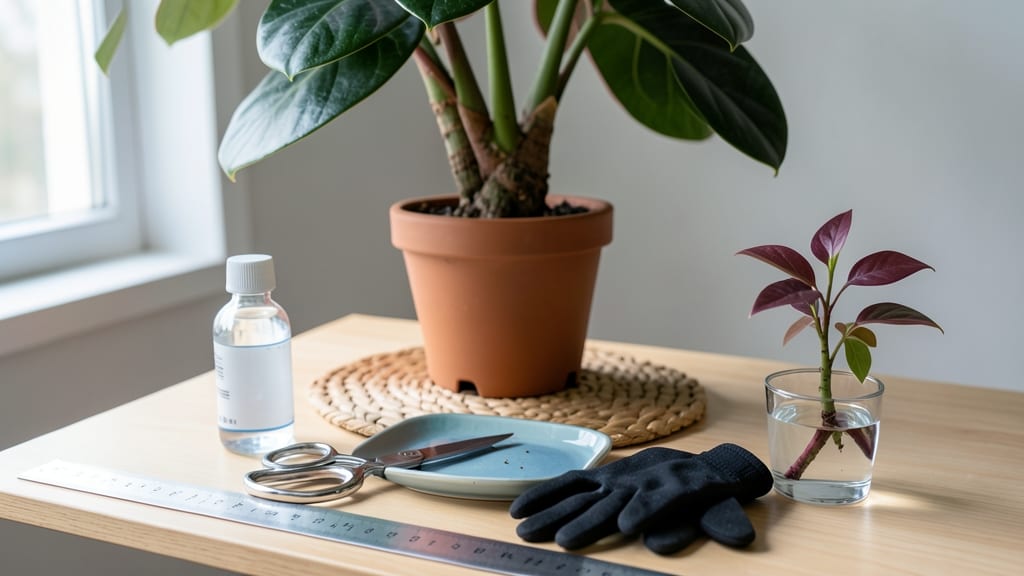
Your rubber tree’s how to stop it growing too tall begins today. ✂️ I’ve wrestled with this same problem—watching a once-manageable plant stretch toward the ceiling like a skyscraper—until I discovered the exact pruning technique that stops the height while encouraging dense, bushy growth.
The key? Timing, technique, and a little strategic cutting.
You’ll need sharp pruning shears, rubbing alcohol (to sterilize cuts), and a plan to prune just above leaf nodes—never at random. Start by trimming the topmost leaves to redirect energy downward, then pinch back new growth to shape the tree.
Within weeks, you’ll see fresh leaves filling out the lower branches, and that towering habit will be a thing of the past. The best part? Your rubber tree stays healthy, not stressed.
📚 In This Guide
- What you need
- Instructions
- Tips and common mistakes
- Wrapping up and next steps
What you need
- ● Pruning shears: Sharp, bypass-style shears (4–6 inches long) for clean cuts on smaller branches.
- ● Loppers: Heavy-duty loppers (8–12 inches) for thicker branches (½–1½ inches in diameter). Look for ratchet-style or bypass types for precision.
- ● Hand saw: A pruning saw with a curved blade for branches thicker than 1½ inches. Sterilize with rubbing alcohol before and after use!
- ● Gloves: Sturdy, gardening gloves (nitrile-coated for grip) to protect against sap and thorns.
- ● Rubbing alcohol (70% isopropyl) or bleach solution: 1 part bleach to 9 parts water to sterilize tools and prevent disease.
- ○ Pruning sealant (optional): A latex-based sealant (like Tanglefoot Tree Wound Pruning Seal) to coat large cuts and reduce sap loss.
- ● Safety gear: Safety glasses (in case of sap splashes) and long sleeves to avoid skin irritation.
- ● Ladder or step stool: A stable, 4–6 ft. ladder (or sturdy stool) if your tree is over 6 feet tall. Never stand on wobbly surfaces!
- ● Trash bags or bucket: For collecting pruned branches and debris.
- ● Sharpie or marker: To label cuts if you’re training the tree (e.g., marking future growth points).
- ● Water & rags: To wipe down tools and clean sap off your hands.
Step-by-Step guide to pruning your rubber tree for compact growth
Here’s how to keep your towering rubber tree in check while encouraging lush, bushy growth—no drastic cuts required.
✂️ Step 1: Identify the Right Branches to Trim
Focus on the top third of the tree first, where new growth is most active. Look for branches that are growing straight up or leaning outward—these are your targets. Avoid cutting leaves directly; always trim just above a leaf node (the small bump where leaves attach). This ensures new shoots will grow from that spot, thickening the canopy.
I like to start with the two to three strongest upward-growing branches near the top. These are the ones causing your tree to stretch skyward. Use sharp pruning shears to make clean cuts—ragged edges slow healing and invite disease. If you’re unsure which branches to cut, picture your ideal shape: a balanced, rounded silhouette with no single branch dominating.
🌿 Step 2: Prune at the Correct Angle and Location
Make your cuts just above a leaf node at a 45-degree angle, about ¼ inch above the node. This angle helps water run off the cut and prevents it from sitting against the stem, which can rot. If you’re pruning a larger branch, cut back to a side branch or bud that grows outward—this encourages fuller growth rather than a bare stem.
Real talk: Don’t cut too close to the trunk or you’ll leave a stub that won’t heal properly. And never trim more than one-third of the tree’s foliage at once—this can shock the plant. Think of it like a haircut: you want to shape, not strip. After pruning, step back and admire your progress—you’ll notice the tree’s structure already looks more balanced.
☀️ Step 3: Encourage Bushier Growth with Light and Care
After pruning, move your rubber tree to a bright, indirect light spot for a few weeks. It needs medium to bright indirect light to recover and grow new branches. If it’s been in low light, you might see slower regrowth—this is normal. Avoid direct sunlight immediately, as new cuts are sensitive to harsh rays.
Water lightly but consistently—keep the top 1-2 inches of soil slightly moist but never soggy. Overwatering stresses the tree and slows recovery. I like to check moisture by sticking my finger in the soil: if it feels dry, it’s time to water. Fertilize with a balanced liquid fertilizer (like 10-10-10) every 4-6 weeks during the growing season to support new growth.
⏰ Step 4: Repeat Pruning Seasonally for Long-Term Shape
Prune your rubber tree twice a year: once in early spring (just as new growth begins) and again in late summer (after the heat wave). Spring pruning encourages bushy growth for the season, while summer pruning keeps it from stretching too tall again. Each time, focus on shaping the top and removing any leggy or weak branches that spoil the look.
Here’s the thing—rubber trees respond well to regular pruning, but they’re patient. It might take 3-6 months to see noticeable bushiness, especially if you’ve let it grow tall for years. The key is consistency. After each pruning, your tree will reward you with denser foliage and a more compact form. And if you miss a season? No stress—just adjust your approach next time.
Tips & tricks for pruning your rubber tree for compact growth
Between us, pruning a rubber tree is simpler than it looks—but those little details make all the difference between a leggy mess and a lush, bushy plant. Here’s what nobody tells you about keeping your tree healthy while shaping it just right.
Branch Selection Strategy: In Step 1, when you’re picking those two to three strongest upward-growing branches, look for ones that are growing at a sharp angle upward—these are the culprits causing your tree to reach for the sky. I’ve found that cutting just one or two branches can make a surprising difference in the tree’s overall shape. Think of it like trimming your hair: you’re not removing everything, just enough to encourage fullness. And here’s the thing—if your tree has more than three upward branches, prioritize the thickest ones first; they’ll have the biggest impact on height reduction.
Cutting Precision Matters: That 45-degree angle in Step 2 isn’t just for show—it’s a game-changer for healing. When you make the cut just above the leaf node at that angle, you’re creating a natural water runoff path, which prevents rot. I’ve seen too many pruning jobs go wrong because people cut too close to the trunk or at a straight angle. Pro tip: If you’re unsure about the angle, practice on a small branch first. And always use sharp pruning shears—dull blades crush the stem, which stresses the plant and slows recovery.
Light and Recovery Timeline: After pruning, that bright indirect light in Step 3 is non-negotiable. Rubber trees need time to recover, and direct sunlight can stress new cuts. I’ve learned this the hard way—once, I put my freshly pruned tree back in a sunny spot, and the new growth ended up scorched. For the first few weeks, a north-facing window or a spot a few feet from an east-facing window is ideal. And don’t rush the fertilizer—wait until you see new growth before applying that 10-10-10 mix. The tree’s energy should go toward healing and regrowth, not processing extra nutrients.
Seasonal Pruning Reminder: The twice-a-year schedule in Step 4 is perfect, but real talk: if you miss a season, don’t stress. Just adjust your approach next time. For example, if you skipped spring pruning, focus extra on summer pruning to keep the tree from stretching too much. And here’s a trick I’ve picked up: after each pruning session, take a photo of your tree from the side. Comparing photos over time helps you track progress and see how your pruning efforts are shaping up. It’s like having a visual progress report!
Pro Tips for Stop Rubber Tree Growing Too Tall
- Between us, pruning a rubber tree is simpler than it looks—but those little details make all the difference between a leggy mess and a lush, bushy plant.
- I’ve found that cutting just one or two branches can make a surprising difference in the tree’s overall shape.
- Cutting Precision Matters: That 45-degree angle in Step 2 isn’t just for show—it’s a game-changer for healing.
Frequently asked questions
Got questions about managing your rubber tree’s height? You’re not alone! Here are some of the most common concerns—and straightforward answers—to help you keep your plant lush and under control.
How often should I prune my rubber tree to keep it from getting too tall?
Prune your rubber tree once or twice a year, ideally in spring or early summer when it’s actively growing. Light trimming (like removing a few top leaves) can encourage bushier growth, while heavier pruning (cutting back 1/3 of the stem) should be done sparingly—every 2–3 years—to avoid stressing the plant. Consistency is key!
Can I prune my rubber tree too much? What are the signs?
Yes! Over-pruning can weaken your rubber tree, causing yellowing leaves, stunted growth, or even leaf drop. If you see these signs, scale back and focus on selective trimming—remove only dead or overgrown branches. Always use clean, sharp tools to minimize damage, and avoid cutting more than 20–30% of the foliage at once.
Will pruning my rubber tree make it grow wider instead of tall?
Rubber trees naturally grow upward, but pruning the top leaves or stems signals the plant to redirect energy to lateral (side) branches. For best results, trim just above a leaf node (where leaves grow) and avoid cutting the main trunk too low. Patience is key—bushier growth takes a few months to show!
What’s the best way to prune a rubber tree if I don’t have gardening shears?
No shears? No problem! Use clean scissors, a sharp knife, or even a sterilized hobby saw for thicker stems. If you’re in a pinch, snip just above a leaf with kitchen scissors (rinse with rubbing alcohol afterward). For larger branches, wrap the cut area with cinnamon powder or tree sealant to prevent sap loss and infections.
My rubber tree is still growing tall after pruning. Why isn’t it working?
If your tree keeps reaching for the sky, check these fixes:
- Light levels: Rubber trees grow faster in bright, indirect light. Move it away from windows if it’s stretching toward sunlight.
- Fertilizer: Over-fertilizing (especially with nitrogen) can spur vertical growth. Switch to a balanced, slow-release fertilizer in spring.
Root-bound? : If roots are circling the pot, repot into a slightly larger container to encourage healthier, bushier growth.
Wrapping up and next steps
Stopping your rubber tree from towering over your space doesn’t have to be stressful—with the right techniques, you can shape it into a lush, manageable plant while keeping it thriving. Pruning regularly, choosing the right tools, and understanding its growth habits are your secret weapons for a bushier, healthier tree.
Now that you’re armed with tips, grab those shears and get pruning with confidence!
🌱 Next step: Pick a sunny day, gather your supplies, and give your rubber tree the trim it deserves. Watch as it transforms into the perfect statement piece for your home! 🌿