
How To
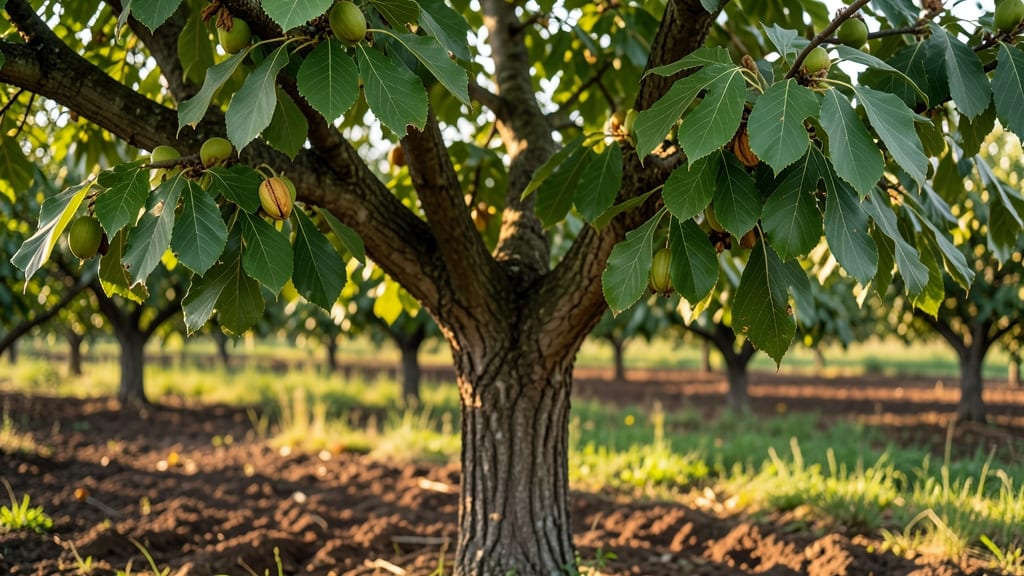
A walnut tree can grow anywhere from 40 to 130 feet tall, depending on the variety and growing conditions — some species reach skyscraper heights while others stay manageable for smaller yards.
If you're dreaming of a majestic walnut tree in your backyard, knowing its potential height is key — some varieties tower over 100 feet while others stay compact enough for small gardens. But which species fits your space?
English walnut trees, for example, typically reach 60 to 100 feet, while black walnut trees can soar even higher, sometimes exceeding 130 feet. Dwarf varieties, on the other hand, stay between 20 and 30 feet, making them ideal for urban or suburban landscapes.
Below, I’ll break down the height ranges by species, factors that influence growth, and practical tips for managing size — whether you want a towering giant or a manageable backyard tree.


Walnut tree height ranges by species: from dwarf to giant varieties
Choosing the right walnut tree for your space starts with understanding their height potential. Some varieties grow into towering giants, while others stay manageable for smaller yards. The English walnut (Juglans regia) and black walnut (Juglans nigra) are the most common, but their mature sizes vary dramatically.
Even within these species, dwarf cultivars offer compact options for urban gardeners.
Before planting, check your property's available space. A standard black walnut can reach 70-100 feet tall, while a dwarf English walnut like 'Paradox' tops out at just 20-30 feet.
Understanding these differences helps you avoid planting a monster tree in a tiny backyard. Let's explore the height ranges by species so you can make an informed choice.
The English walnut is the most versatile choice for home gardens, offering both standard and dwarf varieties. The 'Serr' variety, for example, can reach 60-80 feet but grows at a moderate pace of about 1-2 feet per year.
This makes it manageable for larger properties. In contrast, the 'Paradox' dwarf cultivar stays under 30 feet, perfect for urban homesteads or small backyards.
If you're considering a black walnut, be prepared for a long-term commitment. These trees grow slowly—often just 6-12 inches per year—but their nutritional value and timber quality make them worthwhile.
The 'Thomas' variety is a semi-dwarf option, reaching 35-50 feet with proper care. Always check local regulations, as black walnuts produce juglone, a chemical that inhibits nearby plants.
For those with limited space, heartnut trees offer a middle ground. They grow to 50-70 feet but have a narrower canopy than black walnuts, making them ideal for tighter spaces. Varieties like 'Winterheart' are cold-hardy and produce dual-purpose nuts, though they require full sun and well-draining soil to thrive.
When planning your walnut tree's location, remember that canopy spread is just as critical as height. A 70-foot-tall black walnut with a 50
How fast do walnut trees grow: annual growth rates and mature timeline
Walnut trees are long-term investments—some varieties take decades to reach their full height potential. Understanding their annual growth rates helps you plan your landscape accordingly.
While dwarf varieties may grow just 1-2 feet per year, standard black walnut trees can shoot up 2-3 feet annually during their prime growth years.
Most walnut trees experience their fastest growth between ages 5 and 20, when they can add 3-5 feet per year under ideal conditions. After reaching maturity, growth slows dramatically, focusing more on nut production than height.
For example, a black walnut might reach 60 feet by age 20 but only add another 10 feet over the next 30 years.
| Variety | Annual Growth Rate (Young) | Mature Height | Time to Maturity |
|---|---|---|---|
| Black Walnut (Juglans nigra) | 2-3 ft/year | 60-130 ft | 30-50 years |
| English Walnut (Juglans regia) | 1-2 ft/year | 40-70 ft | 25-40 years |
| Heartnut (Juglans ailantifolia) | 1.5-2.5 ft/year | 50-80 ft | 20-30 years |
| Dwarf Varieties (e.g., 'Paradox') | 0.5-1 ft/year | 20-30 ft | 10-15 years |
Several factors influence how fast your walnut tree grows, starting with the soil quality. Well-draining, slightly acidic soil (pH 6.0-7.0) promotes faster growth, while compacted or alkaline soil can stunt development.
Additionally, climate plays a critical role—walnut trees thrive in USDA zones 5-9 with hot summers and cold winters to break dormancy properly.
Proper pruning techniques can also accelerate or slow growth. If you want a taller tree, avoid heavy pruning of the central leader. However, regular pruning of lower branches improves airflow and can redirect energy upward.
Conversely, topping a walnut tree to control height often leads to weak, sprout-heavy regrowth and reduces nut production.
Patience is key when growing walnut trees—most varieties won’t produce significant nuts until they’re 10-15 years old. For example, a black walnut might reach 30 feet by age 15 but won’t hit its full 60-130 foot potential for another 20-30 years.
If you’re working with limited space, consider dwarf varieties like 'Thomas' or 'Paradox', which mature in 10-15 years at just 20-30 feet tall.
Remember, walnut trees are long-lived—some black walnuts live over 200 years. Plan accordingly by giving them ample space and proper care from the start. With the right conditions, your walnut tree could become a century-old landmark in your landscape!