
How To
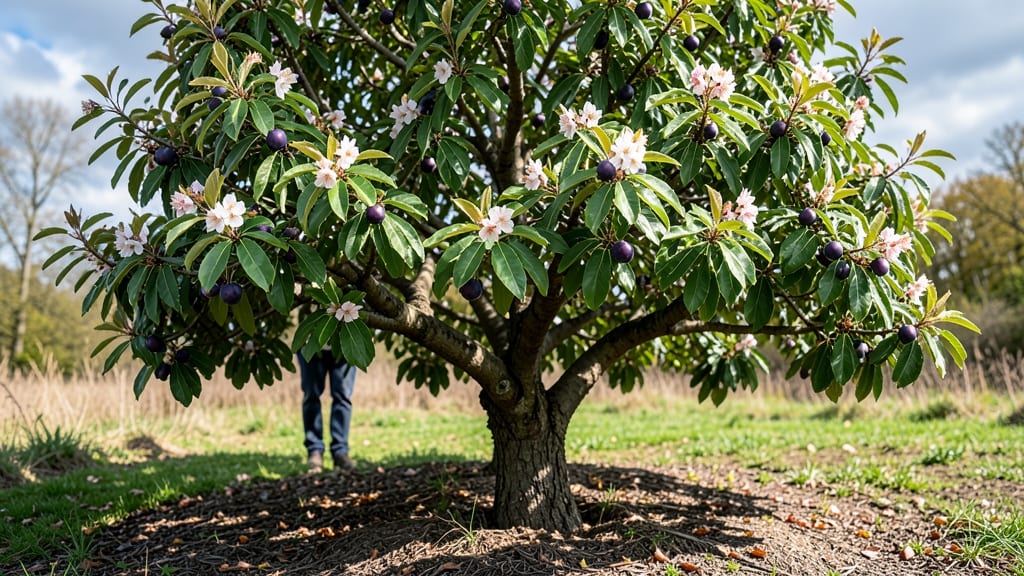
How tall does a plum tree grow? It can range from a manageable 8 feet to a towering 25 feet, depending on the variety you choose.
If you're dreaming of fresh, juicy plums but worried about space constraints, you're in the right place—plum trees come in sizes that range from compact dwarfs to towering giants, each with unique care needs.
Standard varieties like Stanley or Methley can reach heights of 20-25 feet, making them perfect for large gardens or orchards, while dwarf varieties such as Bonanza or Patio stay between 8-12 feet, ideal for smaller yards or even container growing.
Below, I’ll break down the height differences between dwarf, semi-dwarf, and standard plum trees, how to choose the right size for your space, and tips to manage their growth for a healthier, fruit-bearing tree.


Plum tree height by variety: from dwarf to giant sizes
Choosing the right plum tree for your garden starts with understanding their height variations. Dwarf varieties can fit in small yards, while giant types need spacious landscapes.
The mature height of a plum tree depends on its cultivar and growing conditions, so let's explore the range from 8 feet to over 25 feet!
Plum trees generally fall into four height categories: dwarf (8–12 ft), semi-dwarf (12–18 ft), standard (15–25 ft), and giant (over 25 ft). Each size has unique care needs, from pruning frequency to root space requirements.
Below, we'll compare popular varieties to help you pick the perfect fit for your space.
Dwarf plum trees are ideal for containers or small gardens, while standard varieties thrive in traditional landscapes. Giant plum trees often produce larger fruit but require more maintenance. Your choice depends on available space, sunlight, and your willingness to prune regularly.
The Santa Rosa and Shiro varieties are perfect for container gardening or small spaces, reaching only 8–12 feet. These dwarf plum trees produce sweet fruit without taking up much room, making them great for balcony gardens or urban yards.
Their compact size also means less pruning required compared to taller varieties.
For a medium-sized yard, the Methley semi-dwarf plum tree is an excellent choice. It grows to 12–15 feet and fits well in backyards where you want a balanced height without sacrificing fruit production. This variety is also more disease-resistant than many standard types, reducing maintenance efforts.
Standard plum trees like the Stanley variety dominate traditional orchards, reaching 18–22 feet. These trees need ample space and regular pruning to maintain shape and productivity. If you have a large property or rural setting, a standard plum tree will thrive and provide abundant fruit for years.
Giant plum trees, such as the European Plum, can grow over 35 feet tall and are best suited for rural estates or agricultural settings. These trees produce large, flavorful fruit but require significant space, proper soil drainage, and expert pruning techniques to keep them healthy and manageable.
When selecting a plum tree variety, consider your garden layout and available sunlight. Most plum trees need 6–8 hours of full sun daily for optimal growth and fruit production.
If your space is limited, a dwarf or semi-dwarf variety will save you from excessive pruning and provide easier access to fruit.
For urban gardeners, dwarf varieties like Santa Rosa or
How to choose the right plum tree height for your garden
Selecting the perfect plum tree height depends on your garden's space and your maintenance style. Dwarf varieties like Santa Rosa or Methley stay between 8-12 feet tall, making them ideal for small yards or even large containers.
Meanwhile, standard varieties such as Stanley or Larry Kelley can reach 15-25 feet, perfect for spacious landscapes or as focal points.
Your climate zone also plays a role—cooler regions may benefit from dwarf varieties that mature faster, while warmer climates can support taller trees with more vigorous growth. Always check your USDA hardiness zone (like Zone 5-9 for most plums) to ensure your chosen variety thrives.
- Garden Space: Dwarf (8-12 ft) for patios, semi-dwarf (12-18 ft) for small yards, standard (15-25 ft) for large properties.
- Sunlight: All varieties need 6-8 hours of full sun daily—no exceptions!
- Container Gardening: Dwarf plums thrive in 15-20 gallon pots with proper drainage.
- Pruning Needs: Standard trees require annual pruning to manage height; dwarfs need minimal shaping.
- Climate Adaptability: Choose cold-hardy varieties (e.g., Methley) for Zone 5 or heat-tolerant types (e.g., Black Diamond) for Zone 9.
For container gardening, dwarf plum trees like Bonanza or Improved Egg are excellent choices, reaching only 6-8 feet at maturity. Use a large pot with drainage holes and well-draining soil to prevent root rot.
Place your container in a sunny spot and water deeply every 5-7 days during dry spells.
If you opt for a standard plum tree, plan for regular pruning to control height and shape. Prune in late winter or early spring before new growth begins, removing dead or crossing branches first.
For taller varieties, consider espalier training to grow the tree flat against a fence or wall, saving space while keeping it manageable.
Don’t forget about fruit production—taller trees often yield more plums, but dwarf varieties produce fruit earlier and can be easier to harvest. If you’re growing multiple varieties, ensure they’re cross-pollinating types (e.g., Santa Rosa needs a pollinator like Stanley) for a successful harvest.
Start by assessing your space, sunlight, and maintenance commitment. With the right plum tree height, you’ll enjoy fresh fruit for years without overcrowding your garden. Happy planting! 🍑✂️